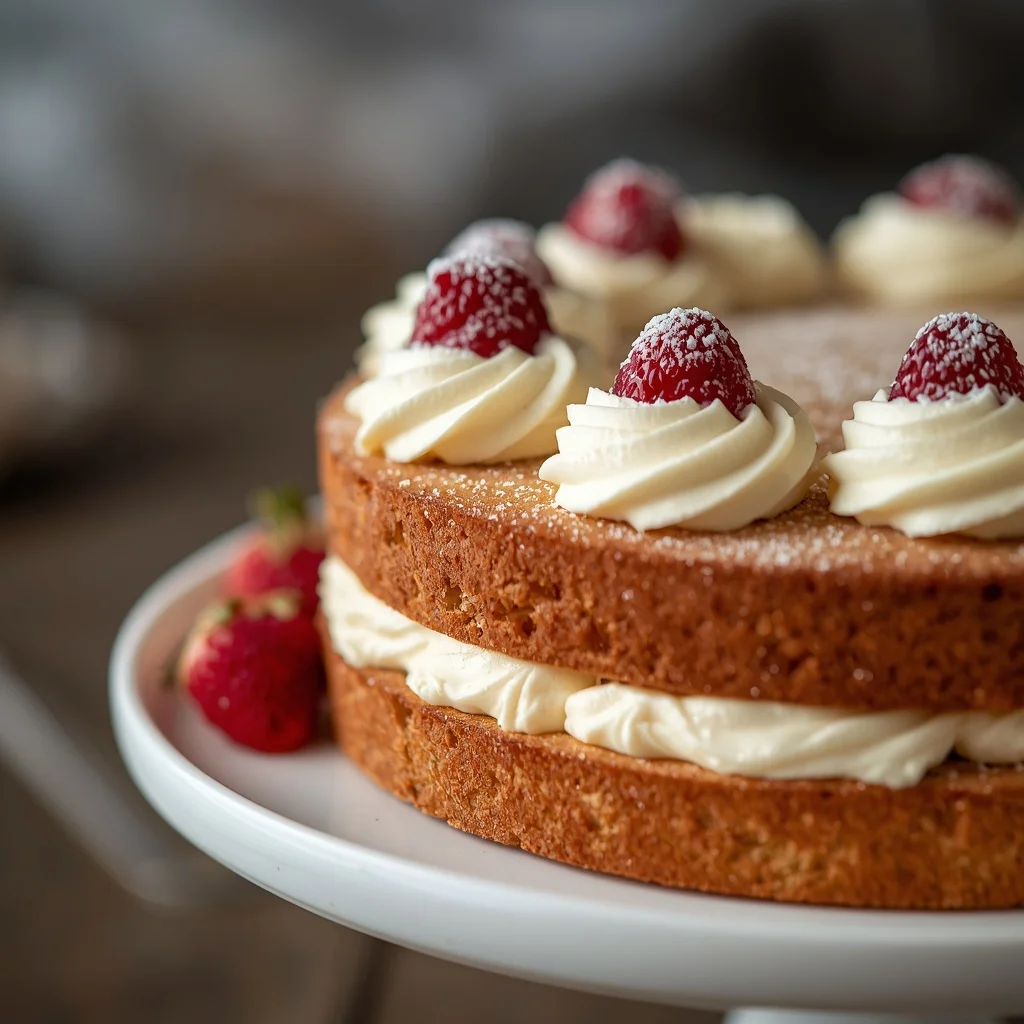
Few baked goods capture pure comfort and timeless elegance quite like a warm, freshly baked cake fresh from the oven. If you are looking to master fundamental home baking, learning how to make a classic vanilla sponge cake is the single best place to start your culinary journey. Baking a homemade classic vanilla sponge cake brings an intoxicating aroma of buttery vanilla sweetness into your kitchen, creating an inviting atmosphere that brings family and friends together. Unlike store-bought cakes that often rely on artificial preservatives or chemical stabilizers, this traditional classic vanilla sponge cake yields a soft, airy crumb structure through simple, natural ingredients. Whether you need a dependable base for layered birthday cakes, a light afternoon tea snack, or a quick dessert served with fresh berries, this classic vanilla sponge cake provides an infinitely adaptable foundation that guaranteed success every single time.
What is a Classic Vanilla Sponge Cake?
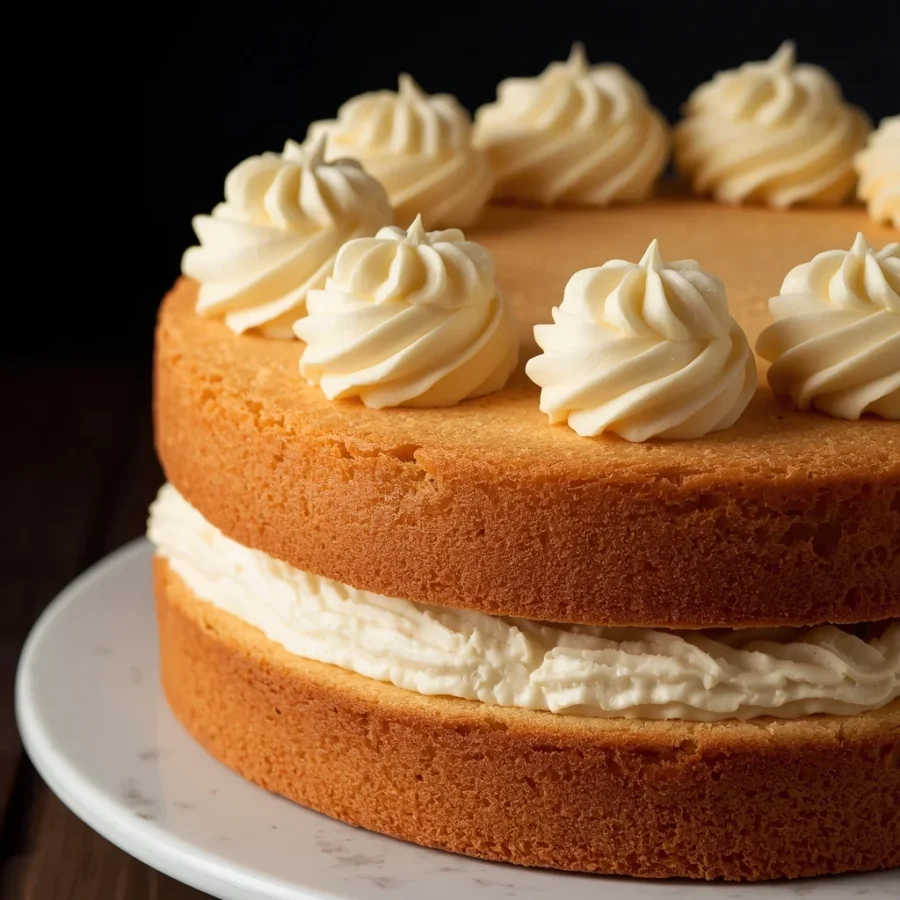
A classic vanilla sponge cake is a light, tender baked dessert renowned for its soft texture, balanced sweetness, and warm vanilla flavor. The defining characteristic of a true sponge cake is its delicate interior crumb, which manages to feel feather-light while retaining enough structural integrity to hold frostings, fruit jams, or rich cream fillings.
In traditional baking, the structure relies on creating millions of tiny air bubbles inside the batter. When softened butter and sugar are creamed together, air becomes trapped within the fat matrix. As the batter bakes inside a hot oven, those tiny air pockets expand, while baking powder releases carbon dioxide gas to push the cake upward into a high, airy loaf or round. The addition of whole milk provides essential moisture, ensuring the cake remains soft for days rather than drying out instantly.
The Heritage and History of Traditional Sponge Cakes
To appreciate why this staple dessert holds such a cherished place in world cuisine, it helps to explore its fascinating history across European baking traditions. The broad family of sponge cakes dates back several centuries, with early ancestral recipes appearing during the Renaissance period in Italy and Spain. Historical bakers initially crafted simple egg-leavened cakes known as Pan di Spagna, which relied entirely on vigorously whipped eggs to achieve height without chemical leavening agents.
As trade routes expanded over the centuries, white sugar, refined wheat flour, and pure vanilla beans became widely accessible across the world. European home cooks began incorporating softened butter into their egg batters, giving birth to the classic Victoria sponge in nineteenth-century England. Named after Queen Victoria, who famously enjoyed a slice of sponge cake alongside her daily afternoon tea, this style of cake became a symbol of hospitality. Over generations, bakers perfected the formula into the modern vanilla sponge we enjoy today, prioritizing simple, high-quality pantry staples over complex chemical additives.
Complete Ingredients List with Full Word Quantities
Creating a perfectly balanced sponge cake depends on using exact measurements and ensuring your dairy components reach room temperature before mixing. Gather these fresh components:
-
All-Purpose Flour: One and one half cups of sifted all-purpose wheat flour to build structural crumb without heavy gluten development.
-
Baking Powder: One and one half teaspoons of fresh baking powder to ensure a reliable, even rise throughout baking.
-
Fine Salt: One quarter teaspoon of fine table salt to balance the sugar levels and highlight the subtle dairy notes.
-
Unsalted Butter: Half a cup of high-quality unsalted butter, softened completely at room temperature for easy creaming.
-
Granulated White Sugar: Three quarters of a cup of fine granulated sugar to provide clean sweetness and trap air during creaming.
-
Fresh Whole Eggs: Three large farm-fresh eggs, kept at room temperature to ensure smooth emulsification into the batter.
-
Pure Vanilla Extract: Two full teaspoons of high-grade vanilla extract or vanilla bean paste for a rich, aromatic flavor profile.
-
Whole Milk: Half a cup of whole dairy milk, resting at room temperature to keep the batter liquid without seizing the butter fats.
Step-by-Step Direction and Preparation Method: classic vanilla sponge cake
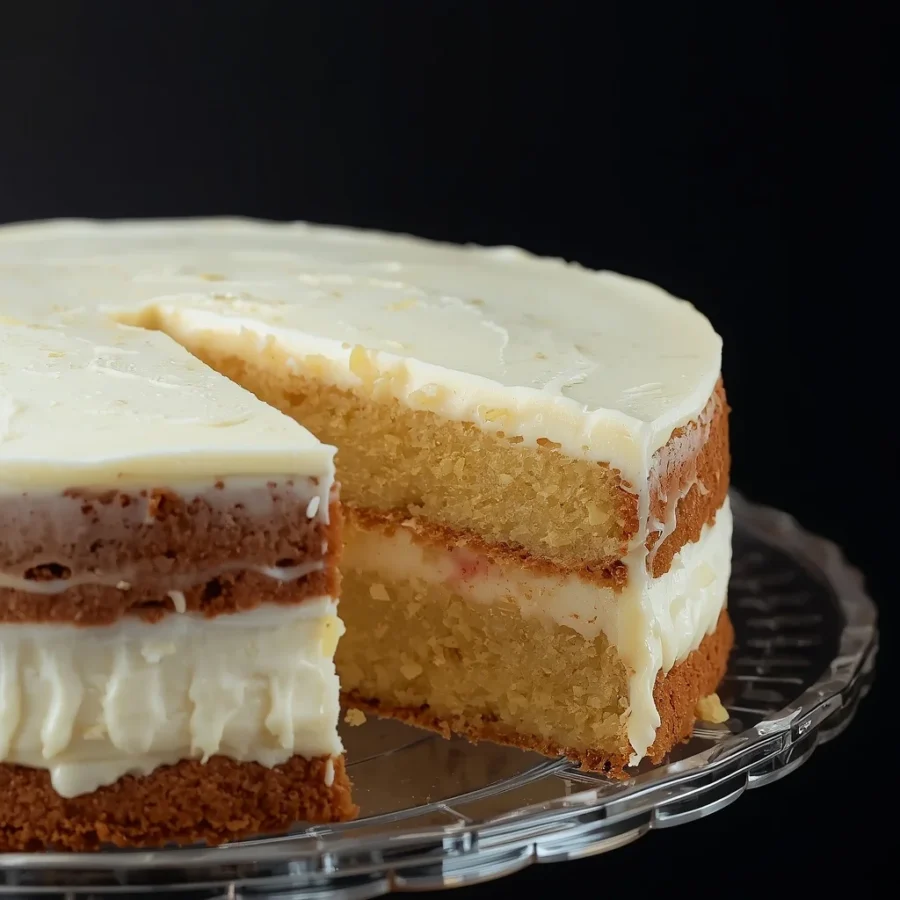
Baking a flawless classic vanilla sponge cake requires methodical execution and attention to temperature. Follow these detailed instructions to guarantee a light, golden result every single time you bake.
Step One: Prep Your Oven and Pan
Preheat your baking oven to three hundred and fifty degrees. Prepare an eight-inch round metal cake pan by brushing the inner sides and bottom lightly with melted butter or oil. Place a fitted round disc of parchment paper inside the bottom of the pan, then dust a light coating of flour over the sides, tapping out any excess. Proper pan preparation ensures your delicate sponge releases effortlessly without tearing after baking.
Step Two: Whisk the Dry Components
Place a mesh sieve over a medium mixing bowl. Sift in one and one half cups of all-purpose flour, one and one half teaspoons of baking powder, and one quarter teaspoon of salt. Take a wire whisk and stir the dry ingredients together for fifteen seconds to ensure the leavening agent distributes evenly throughout the flour matrix.
Step Three: Cream the Butter and Sugar
In a large separate glass bowl, place half a cup of softened unsalted butter and three quarters of a cup of granulated sugar. Using an electric hand mixer or stand mixer fitted with a paddle attachment, beat the mixture together on medium-high speed for three to four full minutes. The mixture should transform from a dense yellow paste into a pale, fluffy, cloud-like cream as air incorporates into the butter fat.
Step Four: Incorporate Eggs and Vanilla
Reduce the mixer speed to medium-low. Add the three room-temperature eggs one at a time, mixing thoroughly for thirty seconds after each addition. Adding eggs individually allows the liquid protein to bond smoothly with the creamed butter fat without breaking the delicate emulsion. Once all eggs are incorporated, pour in two teaspoons of pure vanilla extract and mix until smooth.
Step Five: Alternately Combine Dry and Liquid Base
Turn off your electric mixer and switch to a flexible silicone spatula or wooden spoon. Add one third of your sifted flour mixture into the wet butter base and fold gently until barely combined. Next, pour in half of your room-temperature whole milk, folding smoothly into the batter. Repeat this process by adding another third of the flour, the remaining milk, and finishing with the final third of flour. Fold only until the last streak of flour disappears. Avoid overmixing, as excess stirring develops tough gluten strands that make the sponge dense instead of fluffy.
Step Six: Pour and Bake
Pour the smooth, silky batter into your prepared eight-inch round cake pan. Use an offset spatula or the back of a spoon to smooth the top surface into an even layer. Place the pan on the center rack of your preheated oven. Bake at three hundred and fifty degrees for twenty-five to thirty minutes. Avoid opening the oven door during the first twenty minutes of baking, as cold air drafts can cause a rising sponge cake to collapse in the middle.
Step Seven: Test for Doneness
Your sponge cake is fully baked when the top turns a light golden-brown color and springs back gently when pressed with a fingertip. Insert a clean wooden toothpick or skewer directly into the center of the cake. If the toothpick emerges clean or with a few dry crumbs attached, the cake is finished. If wet batter clings to the toothpick, return the pan to the oven for an additional two to three minutes.
Step Eight: Cool and Unmold
Remove the baked cake from the oven and set the pan on a wire cooling rack. Allow the cake to rest inside the hot pan for exactly ten minutes to let the internal structure set. Next, run a thin butter knife around the inner edge of the pan to release the sides. Invert the cake onto the wire cooling rack, peel off the parchment paper backing, and flip the cake right-side up. Allow the sponge to cool completely to room temperature before slicing or applying any frosting.
Creative Flavor Variations to Try: classic vanilla sponge cake
While pure vanilla offers a timeless, elegant flavor, this versatile batter serves as an incredible canvas for customized ingredients and seasonal twists.
Zesty Citrus Sponge
Add the freshly grated zest of one whole lemon, orange, or lime into the creamed butter and sugar during step three. The natural citrus oils release into the fat, creating a bright, fragrant cake that pairs delightfully with fruit curds or berry jams.
Spiced Cinnamon Sugar Cake
Whisk half a teaspoon of ground cinnamon and a dash of nutmeg into the dry flour mixture. Before pouring the batter into the pan, swirl a mixture of brown sugar and extra cinnamon through the middle of the cake for a cozy coffee-cake flavor profile.
Marbled Chocolate Vanilla Twist
After preparing the complete batter, transfer one cup of the mixture into a separate bowl. Whisk two tablespoons of unsweetened cocoa powder and one tablespoon of extra milk into that small portion until smooth. Alternate spoonfuls of plain vanilla batter and chocolate batter into the pan, using a butter knife to swirl the two colors together before baking.
Frequently Asked Questions: classic vanilla sponge cake
Why did my sponge cake turn out dense instead of fluffy?
A dense or heavy texture usually results from three common baking mistakes: using cold ingredients, overmixing the batter, or using stale baking powder. Cold milk and eggs cause creamed butter to curdle, trapping less air during baking. Overmixing after adding the flour develops tough gluten, while expired baking powder fails to produce enough gas bubbles to lift the batter.
Can I bake classic vanilla sponge cake in two layer pans instead of one deep pan?
Yes, you can easily divide this batter between two shallow six-inch or seven-inch cake pans for a classic layered cake look. When using two smaller pans, the baking time will drop to approximately eighteen to twenty-two minutes, so begin checking for doneness earlier with a toothpick.
What is the best way to store a leftover vanilla sponge cake?
Store your completely cooled cake inside an airtight cake dome or sealed container at room temperature for up to three days. If you live in a warm or humid climate, you can keep the wrapped cake in the refrigerator for up to five days, though cold air can dry out the crumb slightly. Bring refrigerated slices back to room temperature before serving for optimal softness.
Can I freeze classic vanilla sponge cake for future celebrations?
Sponge cake freezes exceptionally well. Wrap the completely cooled, unfrosted cake tightly in two layers of plastic wrap, followed by a outer layer of aluminum foil. Freeze for up to three months. When ready to enjoy, thaw the wrapped cake overnight on your kitchen counter before unwrapping and decorating.
Conclusion: classic vanilla sponge cake
Baking a magnificent, bakery-quality cake at home does not require complicated equipment or culinary school training. This simple classic vanilla sponge cake demonstrates how basic pantry staples like flour, butter, sugar, eggs, and pure vanilla extract come together to form something truly extraordinary. By ensuring your dairy ingredients rest at room temperature, creaming your butter thoroughly, and folding the batter gently, you achieve a soft, golden crumb that delights everyone at your table. Serve a simple slice dusted with powdered sugar alongside a warm cup of tea, or use the golden layers as a foundation for grand birthday creations. Master this fundamental recipe today, and you will possess a dependable dessert formula that brings joy to your home for years to come.
Print
Classic Vanilla Sponge Cake
- Total Time: 45 minutes
- Yield: 8 servings 1x
- Diet: Vegetarian
Description
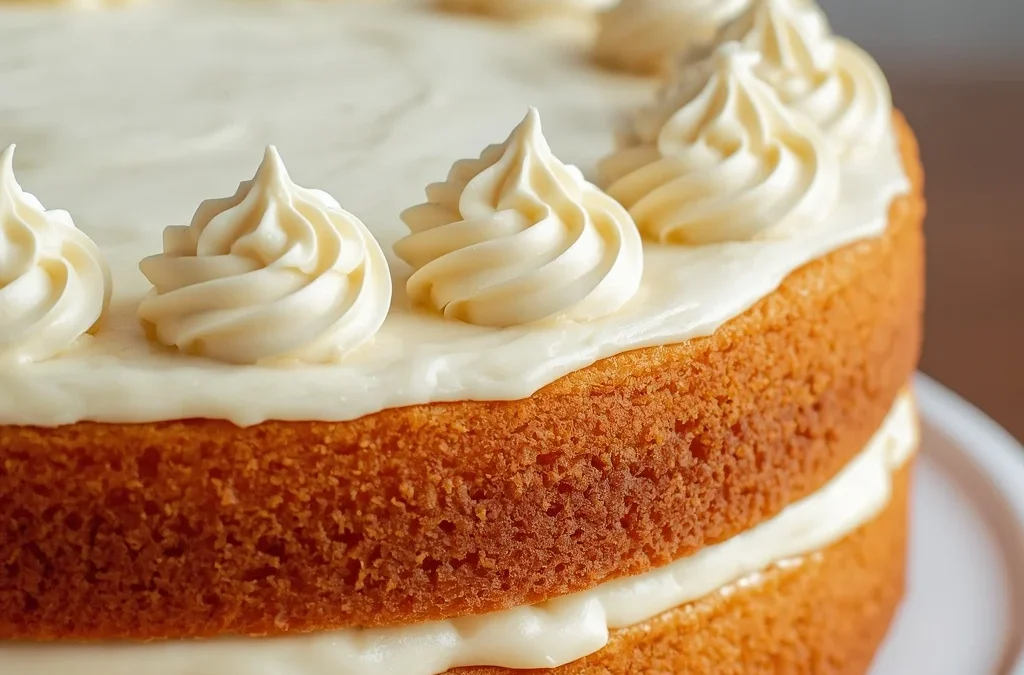
A classic vanilla sponge cake is a light, tender baked dessert renowned for its soft texture, balanced sweetness, and warm vanilla flavor. The defining characteristic of a true sponge cake is its delicate interior crumb, which manages to feel feather-light while retaining enough structural integrity to hold frostings, fruit jams, or rich cream fillings.
Ingredients
Scale
- 1½ cups (190 g) all-purpose flour
- 1½ tsp baking powder
- ¼ tsp salt
- ½ cup (115 g) unsalted butter, softened
- ¾ cup (150 g) granulated sugar
- 3 large eggs, room temperature
- 2 tsp vanilla extract
- ½ cup (120 ml) whole milk, room temperature
Instructions
- Preheat the oven:
Preheat your oven to 350°F (175°C). Grease and line an 8-inch (20-cm) round cake pan with parchment paper. - Mix the dry ingredients:
Whisk together the flour, baking powder, and salt in a bowl. - Cream the butter and sugar:
In a separate large bowl, beat the softened butter and sugar for 3–4 minutes until light and fluffy. - Add the eggs:
Beat in the eggs one at a time, mixing well after each addition. Stir in the vanilla extract. - Combine:
Add the dry ingredients in two or three additions, alternating with the milk. Mix gently until just combined. Do not overmix. - Bake:
Pour the batter into the prepared pan and smooth the top. Bake for 25–30 minutes, or until a toothpick inserted into the center comes out clean. - Cool:
Let the cake cool in the pan for about 10 minutes, then transfer it to a wire rack to cool completely. - Serve:
Dust with powdered sugar or serve with whipped cream and fresh berries. You can also use it as a base for a layered cake.
Notes
Make sure the eggs, butter, and milk are at room temperature. This helps create a smoother batter and a lighter, more evenly textured cake.
- Prep Time: 15 minutes
- Cook Time: 30 minutes
- Category: Dessert
- Method: Baking
- Cuisine: International
Nutrition
- Serving Size: 1 slice
- Calories: ~300 kcal
Keywords: traditional vanilla sponge, easy vanilla cake, homemade sponge cake, simple vanilla cake
