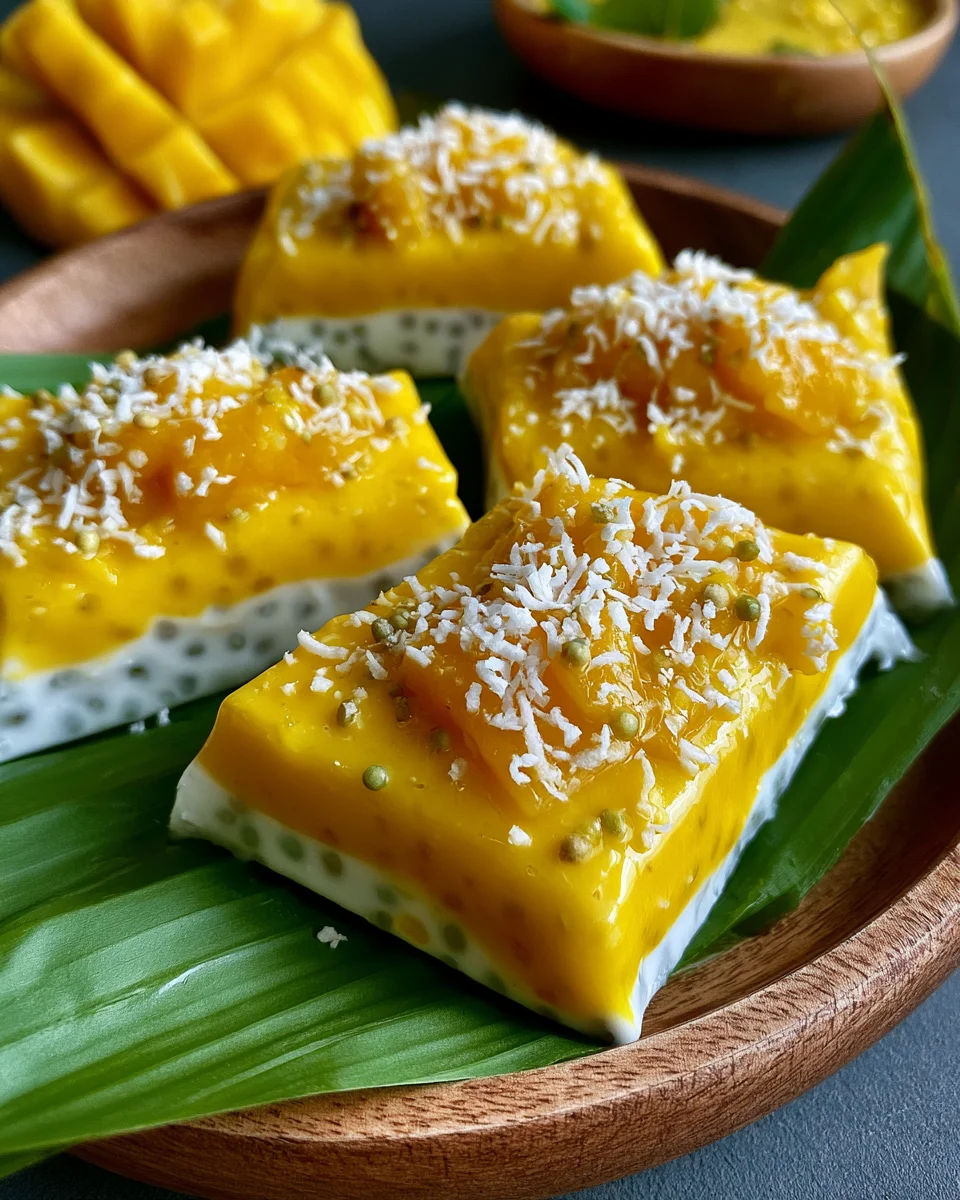
Imagine a dessert that brings the breezy, sun-soaked essence of a tropical island right into your kitchen. That is exactly what you get with Creamy Mango Sago Coconut Dessert Pouches. This sweet treat has been taking the culinary world by storm, and it is easy to see why. It combines the velvety richness of coconut cream, the playful chewiness of tiny tapioca pearls, and the vibrant, sunny burst of ripe mangoes. Whether you are hosting a lively backyard barbecue, planning a sophisticated dinner party, or simply looking for a refreshing make-ahead treat to keep in your refrigerator, these portable dessert pouches are the ultimate crowd-pleaser. They are fun to look at, incredibly satisfying to eat, and surprisingly simple to whip up from scratch.
When the weather warms up, heavy baked goods lose their appeal. That is when a chilled, fruit-forward dessert steps into the spotlight. What makes this specific recipe so magical is the brilliant contrast of textures and flavors. You get the richness of the milk, the brightness of the fruit, and a unique textural element from the sago that keeps every single bite interesting. Plus, serving them in individual pouches makes them incredibly convenient for modern, on-the-go lifestyles or outdoor gatherings where traditional bowls and spoons feel like too much hassle.
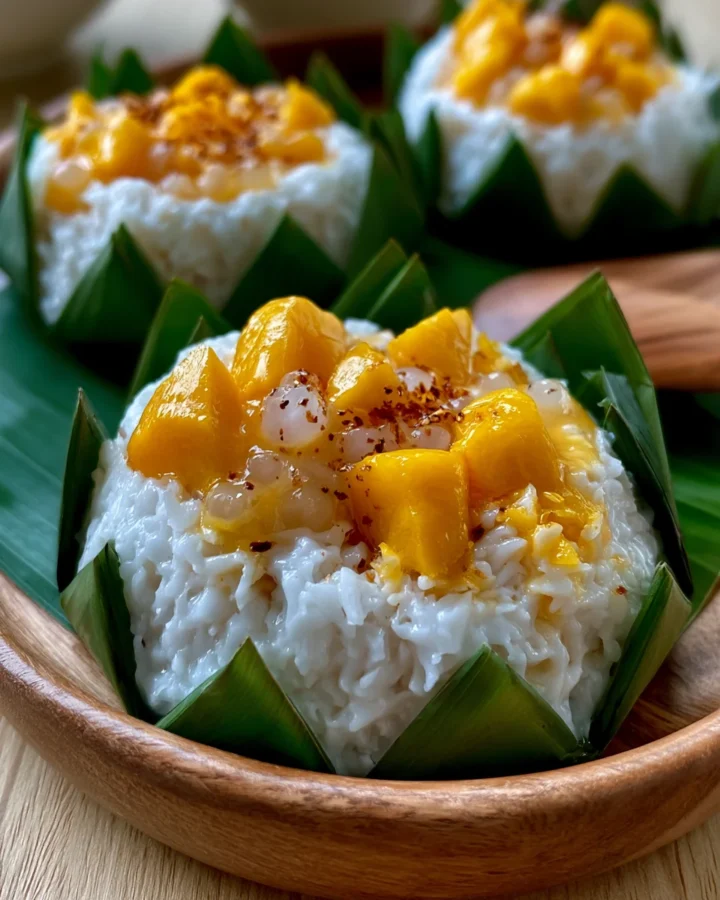
What is a Creamy Mango Sago Coconut Dessert?
If you have never experienced this style of sweet treat before, you are in for a massive upgrade to your dessert routine. At its core, Creamy Mango Sago Coconut Dessert Pouches are a modern, highly portable twist on a classic Asian dessert soup. Instead of serving the mixture loose in a traditional bowl, this recipe thickens the base slightly and layers the components inside food-safe pouches. This presentation not only looks beautiful with its distinct layers of yellow and white, but it also allows the flavors to meld together beautifully as the dessert chills.
The dish relies on three distinct elements working in perfect harmony. First, you have the base of sago pearls, which are small starch spheres that become delightfully chewy when boiled. These pearls are suspended in a sweet, velvety liquid made from rich coconut milk and condensed milk. The second element is the vibrant fruit layer, which features both smooth puree and chunky pieces of fresh mango, brightened up with a touch of citrus. When you squeeze the pouch or eat it with a spoon, you get a perfect balance of creamy, chewy, and fruity components all at once.
The Fascinating Origin of Mango Sago Desserts
To truly appreciate this modern twist, it helps to understand where the classic flavor profile comes from. The combination of mango, pomelo, and sago was originally invented in Hong Kong during the mid-nineteenth eighties. A famous restaurant chain created it as a refreshing, contemporary dim sum dessert to help patrons beat the intense summer heat and humidity. The original version was served as a chilled, liquid soup that diners would eat with a spoon from a small bowl.
Over the decades, the popularity of this tropical combination exploded across Southeast Asia, finding a massive fan base in countries like the Philippines, Singapore, and Malaysia. Each region added its own local flair, sometimes incorporating evaporated milk, coconut cream, or local fruits. The transition into Creamy Mango Sago Coconut Dessert Pouches represents the latest evolution of this beloved classic. By packaging the traditional flavors into individual, portable pouches, modern home cooks have transformed an old-school restaurant delicacy into a trendy, convenient, and Instagram-worthy treat perfect for the twenty-first century.
Simple Ingredients You Will Need: Mango Sago Coconut Dessert Pouches
Creating this restaurant-quality treat at home does not require obscure ingredients. Everything on this list can be easily found at your local grocery store or an Asian supermarket.
For the Chewy Sago Mixture
-
Small sago pearls: One half of a cup. These are the star of the show, providing that signature chewy texture that makes the dessert so fun to eat.
-
Water: Four cups. This is used exclusively for boiling the pearls to ensure they cook thoroughly without sticking together.
-
Coconut milk: One and one half cups. Opt for full-fat canned coconut milk to achieve the richest, most luxurious texture possible.
-
Sweetened condensed milk: One quarter of a cup. This provides both the necessary sweetness and a silky, thick body to the cream mixture.
-
Sugar: Two tablespoons. You can easily adjust this amount up or down depending on how sweet your fresh fruit is.
-
Vanilla extract: One teaspoon. While this is entirely optional, a splash of high-quality vanilla adds a lovely warmth that rounds out the tropical flavors.
For the Vibrant Mango Layer
-
Ripe mangoes: Two cups, carefully diced into small cubes. You want sweet, non-stringy varieties for the best mouthfeel.
-
Mango puree: One half of a cup. This can be store-bought or made by blending extra fresh fruit until completely smooth.
-
Lime juice: One tablespoon. A splash of fresh citrus juice cuts through the richness of the coconut and enhances the natural brightness of the fruit.
For Assembly and Presentation
-
Food-safe dessert pouches or small cups: Six to eight pieces, depending on the exact size of your containers.
-
Extra mango cubes: Kept separate to use as a beautiful, vibrant garnish on top.
-
Toasted coconut flakes: An optional but highly recommended addition that introduces a wonderful, smoky crunch to the finished product.
Step-by-Step Direction and Preparation Method: Mango Sago Coconut Dessert Pouches
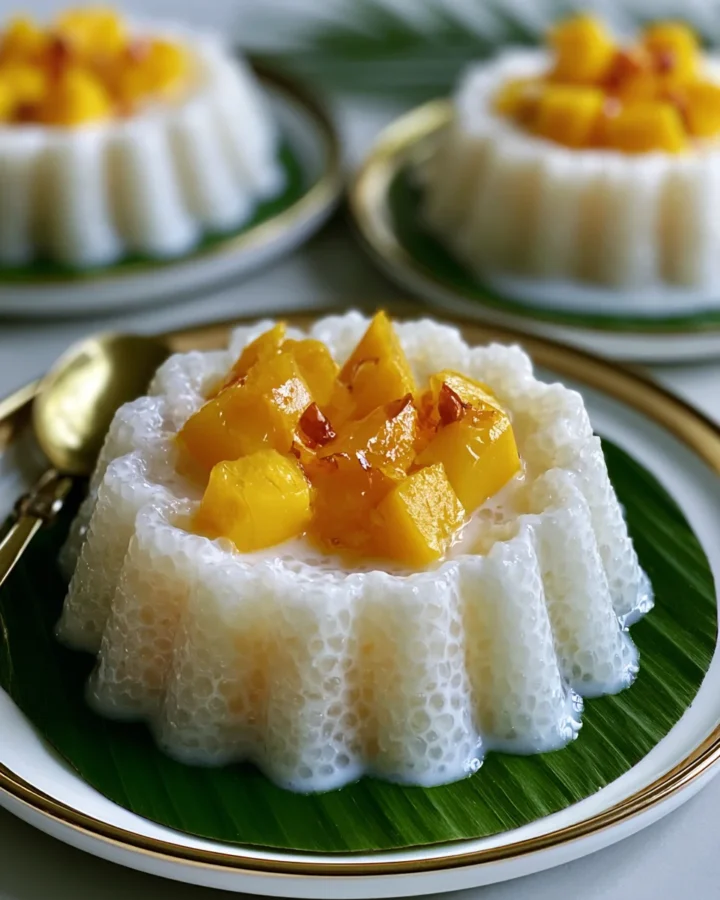
Step One: How to Cook the Sago Pearls Perfectly
Cooking tapioca or sago pearls can feel a bit intimidating if you have never done it before, but the process is straightforward as long as you follow the temperature rules. Start by pouring your four cups of water into a medium saucepan and bringing it to a rolling boil over high heat. Never add the pearls to cold or lukewarm water, or they will completely dissolve and turn into a starchy paste.
Once the water is boiling rapidly, gently pour in your one half cup of small sago pearls. Immediately stir the pot to prevent the pearls from settling on the bottom and sticking together. Reduce the heat slightly to a medium boil and let them cook for twelve to fifteen minutes. You will need to stir occasionally throughout this window.
After the cooking time is up, turn off the heat entirely. Place a tight-fitting lid on the saucepan and let it sit undisturbed for another ten minutes. During this resting period, the residual heat will finish cooking the centers of the pearls, turning them almost entirely transparent. Next, pour the contents of the pot through a fine-mesh strainer to drain the hot water. Immediately rinse the pearls thoroughly under cold running water, tossing them gently in the strainer. This rinses away excess starch and stops the cooking process, ensuring your pearls stay distinct and delightfully chewy.
Step Two: Mixing the Luxurious Coconut Cream Base
While your cooked pearls are draining and cooling down, you can quickly prepare the liquid base. In a large mixing bowl, combine your one and one half cups of full-fat coconut milk with one quarter cup of sweetened condensed milk. Add the two tablespoons of sugar and the single teaspoon of vanilla extract if you choose to use it.
Take a sturdy whisk and blend the liquids together vigorously until the condensed milk and sugar are completely dissolved into the coconut milk, creating a uniform, silky-smooth cream. Once the base is ready, tip your cooled, rinsed sago pearls directly into the bowl. Use a silicone spatula to gently stir the mixture until every single pearl is evenly coated in the sweet cream. Set this bowl aside for a few minutes; as it sits, the pearls will begin to absorb the flavors of the coconut and vanilla.
Step Three: Preparing the Bright Mango Layer
Now it is time to focus on the fruit component of our Creamy Mango Sago Coconut Dessert Pouches. Grab a separate medium-sized mixing bowl and add your two cups of diced ripe mango. Pour in the one half cup of smooth mango puree, followed by the single tablespoon of fresh lime juice.
Using a spoon, gently fold the ingredients together. You want to be careful not to smash the diced fruit pieces; the goal is to have distinct, juicy cubes suspended in a thick, velvety puree. The addition of lime juice here is a secret weapon. It provides a sharp contrast to the natural sugars of the fruit and ensures the dessert tastes lively rather than cloying.
Step Four: Assembling Your Portable Dessert Pouches
This is the part where your creation truly comes to life. Line up your six to eight food-safe dessert pouches or small clear cups on your counter. To create a striking visual effect, we are going to layer the components. Grab a small spoon or a funnel and distribute the mango mixture evenly among the bottom of each container.
Next, carefully ladle the creamy coconut sago mixture directly over the fruit layer. If you are using pouches, leave a little bit of headspace at the top so you can seal them easily. If you are using clear cups, you can fill them a bit closer to the brim. To finish the assembly, top each portion with your reserved extra mango cubes and a generous sprinkle of toasted coconut flakes if you want that extra layer of texture. Secure the lids or seals tightly.
Step Five: Chilling and Serving Your Masterpiece
While you might be tempted to dive into these treats immediately, patience is a virtue that pays off immensely with this recipe. Transfer your assembled pouches or cups straight into the refrigerator and let them chill undisturbed for at least two hours.
During this chilling time, something wonderful happens. The coconut cream thickens up slightly, the sago pearls lock in the sweetness of the surrounding liquids, and the fruit flavors deepen. When you are ready to serve, simply pull them out of the fridge. If you used pouches, you can hand them out with wide straws or small spoons. Serve them completely ice-cold for the absolute best flavor experience.
Creative Variations to Try at Home: Mango Sago Coconut Dessert Pouches
Once you have mastered the classic version of these Creamy Mango Sago Coconut Dessert Pouches, you can start experimenting with fun twists to keep things exciting.
The Ultimate Triple Berry Blend
If mangoes are out of season, you can easily swap the fruit layer for a vibrant berry combination. Use a mixture of diced strawberries, raspberries, and blueberries. Blend a portion of the berries into a smooth puree with a touch of lemon juice, then layer it with the traditional coconut sago base for a beautiful red-and-white contrast.
A Modern Matcha Fusion
For an earthy, sophisticated flavor profile, try adding a teaspoon of high-quality culinary matcha powder to your coconut milk base. Whisk it thoroughly until no lumps remain before adding your condensed milk and sago. The combination of green tea notes with sweet mango creates an incredible flavor dynamic.
Dairy-Free and Vegan Adaptation
The classic recipe is already very close to being naturally plant-based. To make it entirely vegan, simply swap out the sweetened condensed milk for an equal amount of sweetened condensed coconut milk. This swap not only makes the dessert completely dairy-free but actually enhances the wonderful coconut aroma of the dish.
Frequently Asked Questions: Mango Sago Coconut Dessert Pouches
Can I make Mango Sago Coconut Dessert Pouches pouches a day in advance?
Yes, you absolutely can. In fact, making them ahead of time allows the tropical flavors to develop and deepen. They keep beautifully in the refrigerator for up to three days. Just make sure your pouches are sealed tightly so they do not absorb any stray odors from your fridge.
What is the difference between sago and tapioca pearls?
While they look nearly identical and can be used interchangeably in this recipe, they come from different plants. True sago is harvested from the pith of the sago palm tree, while traditional tapioca comes from the cassava root. Both yield the exact same delightfully chewy texture when cooked.
Why did my sago pearls dissolve when I boiled them?
This almost always happens when the pearls are added to water that is not hot enough. If you drop them into cool or warm water, they will absorb the liquid too quickly and disintegrate into a mushy paste. Always ensure your water is at a full, rolling boil before the pearls enter the pot.
Can I use frozen mangoes for Mango Sago Coconut Dessert Pouches?
While fresh, ripe fruit offers the absolute best texture and sweetness, frozen mango can absolutely work in a pinch. Let the frozen pieces thaw completely in a strainer so excess water drains away, then toss them with the lime juice and puree as directed.
Conclusion: Mango Sago Coconut Dessert Pouches
Bringing a taste of the tropics into your home has never been easier or more stylish than with these Creamy Mango Sago Coconut Dessert Pouches. By balancing the velvety smoothness of full-fat coconut milk with the playful, chewy texture of perfectly cooked sago pearls and the bright, sun-kissed sweetness of fresh mangoes, you create a treat that is far more than the sum of its parts. It is a modern, refreshing reimagining of a timeless classic that satisfies your sweet tooth while keeping things light and uplifting. Perfect for meal prepping, packing for picnics, or impressing guests at your next summer gathering, this recipe is guaranteed to become a staple in your dessert rotation. Gather your ingredients, follow the simple steps, and get ready to enjoy a pure burst of tropical paradise in every single bite.
Print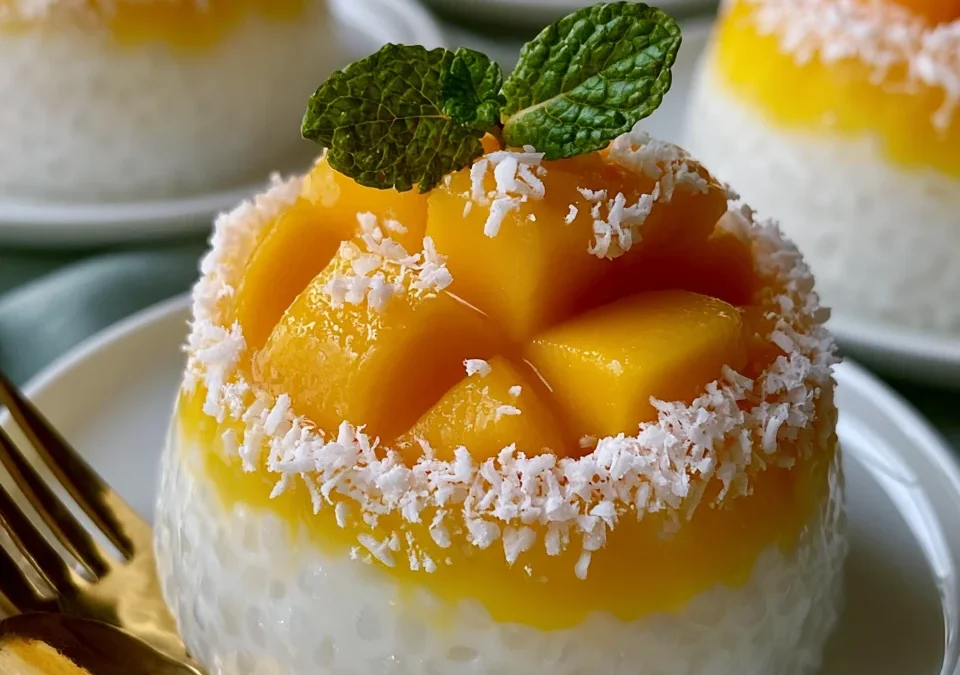
Ultimate Guide to Creamy Mango Sago Coconut Dessert Pouches
- Total Time: 2 hours 35 minutes (including chilling)
- Yield: 6–8 dessert pouches 1x
Description
If you have never experienced this style of sweet treat before, you are in for a massive upgrade to your dessert routine. At its core, Creamy Mango Sago Coconut Dessert Pouches are a modern, highly portable twist on a classic Asian dessert soup. Instead of serving the mixture loose in a traditional bowl, this recipe thickens the base slightly and layers the components inside food-safe pouches. This presentation not only looks beautiful with its distinct layers of yellow and white, but it also allows the flavors to meld together beautifully as the dessert chills.
Ingredients
For the Sago Mixture
- ½ cup small sago pearls
- 4 cups water
- 1½ cups coconut milk
- ¼ cup sweetened condensed milk
- 2 tbsp sugar (adjust to taste)
- 1 tsp vanilla extract (optional)
For the Mango Layer
- 2 cups ripe mango, diced
- ½ cup mango puree
- 1 tbsp lime juice
For Assembly
- 6–8 food-safe dessert pouches or small cups
- Extra mango cubes for garnish
- Toasted coconut flakes (optional)
Instructions
1. Cook the Sago
- Bring 4 cups of water to a boil.
- Add the sago pearls and cook for 10–12 minutes, stirring occasionally.
- Turn off the heat, cover, and let sit for 10 minutes until the pearls become mostly transparent.
- Drain and rinse under cold water.
2. Make the Coconut Cream
- In a bowl, whisk together the coconut milk, condensed milk, sugar, and vanilla extract.
- Stir in the cooked sago pearls until evenly coated.
3. Prepare the Mango Layer
- Combine the diced mango, mango puree, and lime juice in a bowl.
- Mix gently.
4. Assemble the Dessert Pouches
- Spoon a layer of mango mixture into each pouch.
- Add the creamy coconut sago mixture on top.
- Finish with extra mango cubes and a sprinkle of toasted coconut flakes if desired.
5. Chill and Serve
- Refrigerate for at least 2 hours.
- Serve cold for the best flavor and texture.
Notes
- Prep Time: 15 minutes
- Cook Time: 20 minutes
- Category: Dessert
- Method: Chilled
- Cuisine: Asian Fusion
Nutrition
- Serving Size: 1 dessert pouch
- Calories: 240 kcal
Keywords: Creamy mango tapioca coconut cups, tropical mango sago pudding pouch, mango coconut sago dessert bags, chilled mango tapioca pudding pocket
