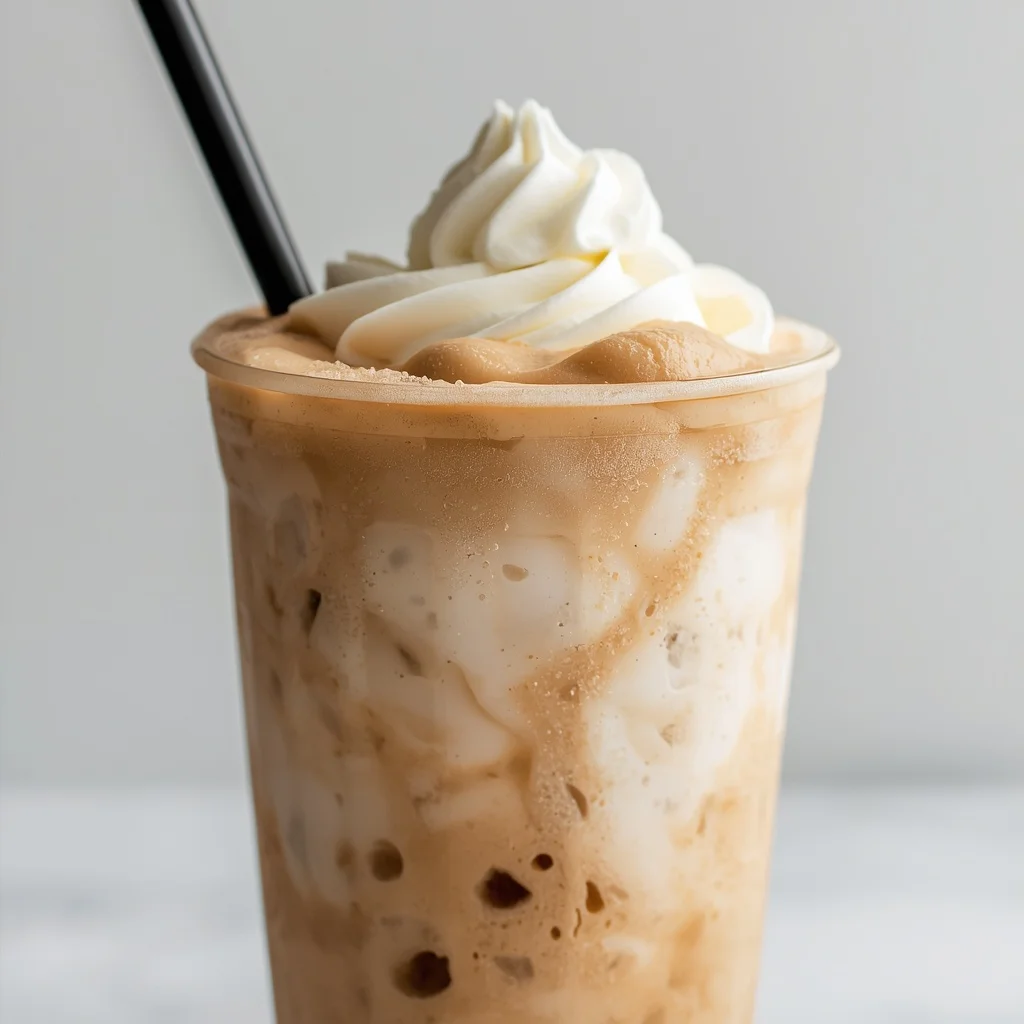
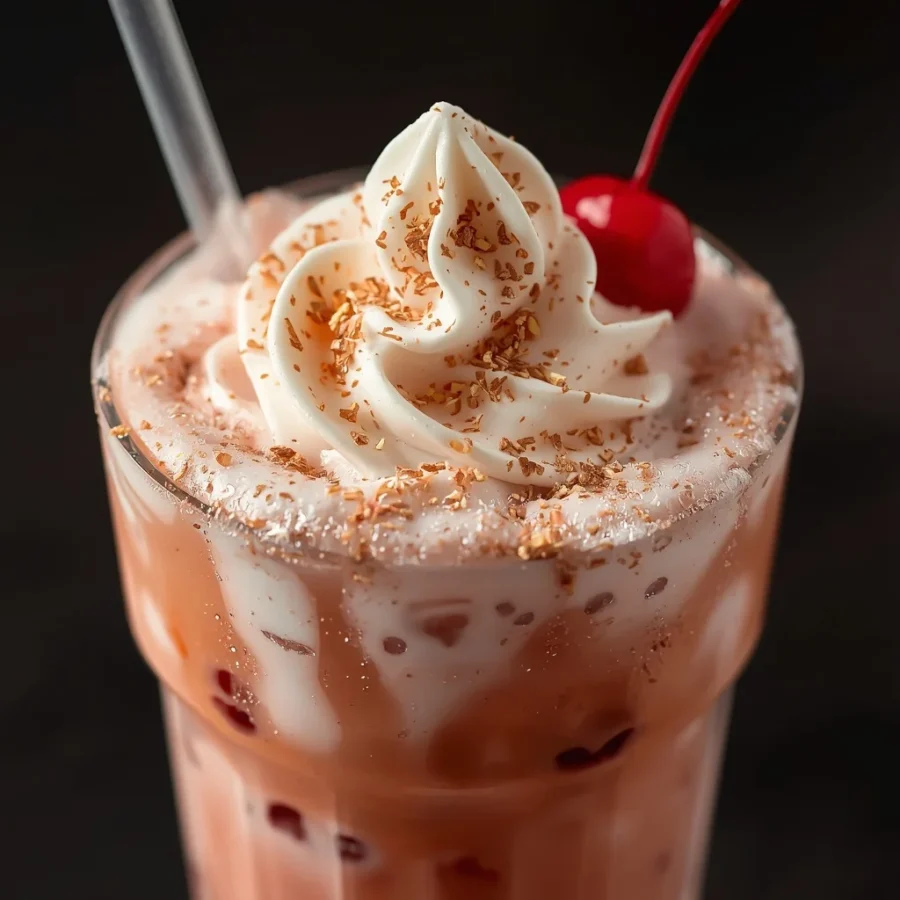
Fermented Probiotic Soda Float: The Ultimate Gut-Friendly Dessert Guide

Imagine sitting on a sunny porch with a tall, frosty glass in your hand. The light catches tiny bubbles rising through a rich, velvety top layer, promising a crisp burst of flavor with every single sip. Most people associate soda floats with sugary nostalgia, synthetic syrups, and an inevitable afternoon energy crash. However, what if you could enjoy that exact same indulgent creaminess while actively supporting your digestive health? Welcome to the world of the Fermented Probiotic Soda Float, an elevated twist on an American classic that pairs the complex, naturally effervescent tang of wild-fermented beverages with smooth, luscious vanilla ice cream.
When you mix living, cultured sodas like ginger bug brews, sparkling water kefir, or tart kombucha with high-quality ice cream and real, sun-ripened fruit, you create something far superior to standard parlor treats. This Fermented Probiotic Soda Float brings together the old-world art of natural fermentation and modern wellness culture. It proves that taking care of your gut microbiome does not mean giving up on rich, satisfying desserts. In this comprehensive guide, we will explore everything you need to know to craft the perfect Fermented Probiotic Soda Float at home, including its fascinating history, essential ingredients, exact step-by-step assembly techniques, and creative flavor pairings.
Fermented Probiotic Soda Float

What Is a Fermented Probiotic Soda Float?

To truly appreciate this drink, it helps to break down what makes it so unique compared to standard sugary sodas. At its core, a Fermented Probiotic Soda Float replaces commercially carbonated soft drinks—which are typically loaded with high-fructose corn syrup, artificial colors, and phosphoric acid—with naturally bubbly, living fermented liquids.
When naturally fermented sodas meet a scoop of ice cream, something magical happens. The natural acids and active carbonation in the beverage slice right through the richness of the dairy, creating a airy, silky foam top. Fresh fruit adds texture, natural sweetness, and antioxidants, turning a simple beverage into a multi-layered dessert experience. Because living sodas contain active beneficial microbes, this float provides a refreshing way to introduce beneficial bacteria to your routine while satisfying your sweet tooth.

The Science Behind the Fizz and Cream

The charm of any float lies in the dense, sweet foam that forms at the top of the glass. When you pour carbonated liquid over ice cream, the liquid reacts with the microscopic air bubbles trapped inside the churned ice cream. The fat solids in the cream trap the escaping carbon dioxide gas, forming a stable, creamy froth.
When you make a Fermented Probiotic Soda Float, this reaction is even more complex. Natural fermentation yields delicate, micro-fine carbonation alongside organic acids like lactic acid and acetic acid. These natural acids interact with the dairy proteins, creating a velvety mousse-like layer that tastes lighter, brighter, and significantly more sophisticated than any concoction made with store-bought root beer or cola.

The Origin and Evolution of Soda Floats

To understand how the Fermented Probiotic Soda Float came to be, we have to travel back in time to the late nineteenth century. The original ice cream float was born in Philadelphia around the year eighteen seventy-four. According to popular culinary history, an artisan soda fountain operator named Robert McCay Green ran out of sweet cream for his flavored soda drinks during a massive celebration. Desperate to keep serving his long line of customers, he bought vanilla ice cream from a nearby vendor and dropped it straight into the carbonated soda water.
The immediate popularity of Green’s accidental invention sparked a nationwide craze. Soda fountains became the social hubs of American towns throughout the early to mid-twentieth century. For decades, classic floats made with root beer, sarsaparilla, or cola ruled the counters.
However, as industrial food production accelerated during the mid-twentieth century, authentic fountain sodas made with natural plant extracts and natural fermentation were slowly replaced by mass-produced, chemically carbonated syrups. The rich history of naturally bubbly beverages faded into the background.
+-----------------------------------------------------------------------+
|                       THE EVOLUTION OF THE FLOAT                      |
+-----------------------------------------------------------------------+
|  Late 1800s: Traditional Fermentation Meets Soda Fountains             |
|  • Naturally brewed sarsaparilla, ginger beer, and herbal tonic bases |
|  • Small-batch carbonation through natural wild yeasts                |
+-----------------------------------------------------------------------+
                                   │
                                   ▼
+-----------------------------------------------------------------------+
|  Mid 1900s: Industrial High-Fructose Era                              |
|  • Factory-synthesized syrups replace natural botanicals              |
|  • Artificial carbonation replaces natural fermentation               |
+-----------------------------------------------------------------------+
                                   │
                                   ▼
+-----------------------------------------------------------------------+
|  Modern Era: The Fermented Probiotic Soda Float Renaissance           |
|  • Living ginger bugs, water kefir, and kombucha restore true flavor  |
|  • Whole fruit, natural sweeteners, and living gut-friendly microbes  |
+-----------------------------------------------------------------------+

The Modern Fermentation Renaissance

Over the past two decades, home cooks and artisan beverage makers have rekindled a deep passion for traditional food preservation. Realizing that human health is deeply connected to gut microbial diversity, people began reviving ancient fermentation methods in their home kitchens.
Culturing wild ginger bugs, brewing tart kombuchas, and fermenting fruit-infused water kefirs quickly moved from niche culinary hobbies to mainstream food culture. As food lovers experimented with these tart, bubbly drinks, combining them with smooth creams was a natural next step. The Fermented Probiotic Soda Float represents the perfect intersection of culinary history, traditional food prep, and modern nutritional awareness.

Ingredients You Will Need: Fermented Probiotic Soda Float

Crafting an exceptional Fermented Probiotic Soda Float relies entirely on using high-quality whole ingredients. Because there are no artificial flavor enhancers or synthetic emulsifiers to hide behind, each component must shine on its own.

Base Liquids: Choosing Your Probiotic Beverage

The soul of your float is the fermented soda base. You can use homemade wild-fermented beverages or purchase raw, unpasteurized, refrigerated options from a local natural food store. Here are the three primary bases that work exceptionally well:
  • Ginger Bug Soda: Made by culturing wild yeasts and beneficial bacteria naturally present on fresh ginger root skin with sugar and water. It produces a fiery, warm, spicy effervescence that contrasts brilliantly with sweet vanilla.
  • Water Kefir: A light, fruity beverage fermented using water kefir grains—symbiotic cultures of bacteria and yeast. It yields a mild, slightly tangy, champagne-like fizz that allows delicate fresh fruit flavors to shine through.
  • Kombucha: A fermented tea cultured with a symbiotic culture of bacteria and yeast. It brings a bolder, more pronounced vinegar-like acidity and complex floral or botanical notes that cut through rich dairy.

Complete Ingredient Checklist

Here is the exact measure of components required to assemble two generous servings of this delicious treat:
Ingredient Standard Amount Role in the Float
Chilled Probiotic Soda Two full cups Provides carbonation, tart contrast, and living beneficial microbes
Vanilla Ice Cream Two to four large scoops Delivers rich creaminess, sweetness, and temperature contrast
Fresh Fruit One-half cup (sliced) Adds whole-food texture, natural sugars, and visual appeal
Honey or Maple Syrup One to two teaspoons Optional natural sweetener to balance extra tart fruit
Fresh Mint Leaves Three to four sprigs Optional aromatic garnish for brightness and scent
Clean Ice Cubes As desired Optional base layer to slow down ice cream melting

Step-by-Step Preparation Method: Fermented Probiotic Soda Float
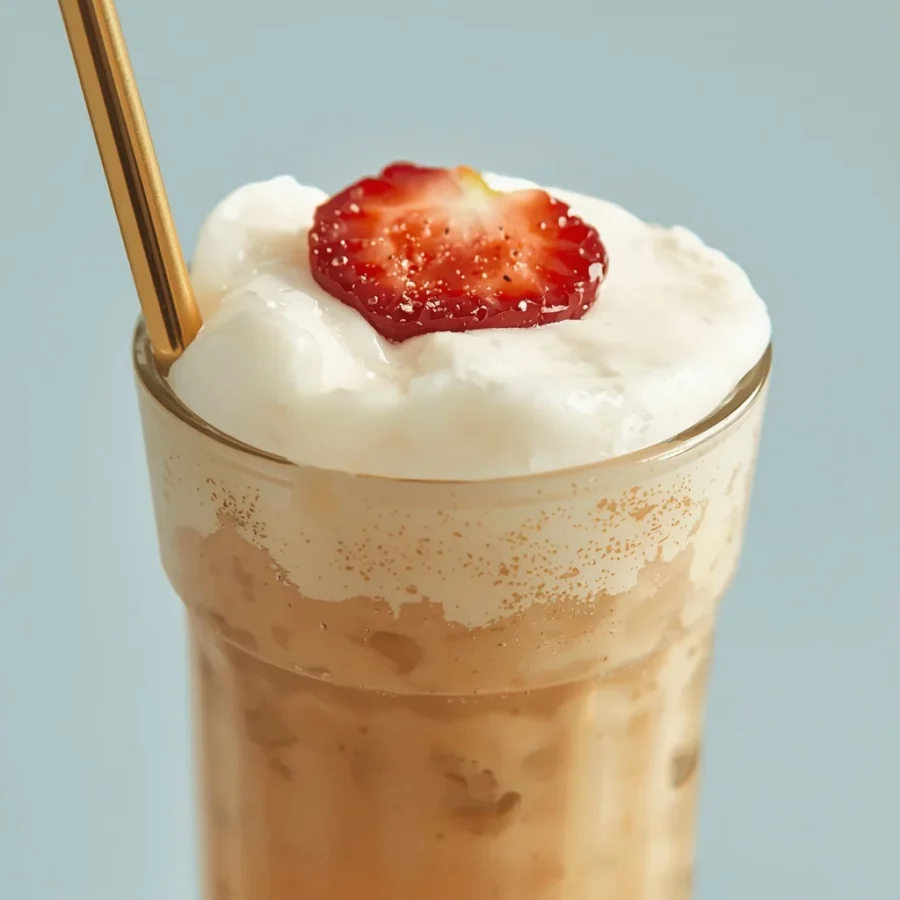
Fermented Probiotic Soda Float (4)

Creating a perfect Fermented Probiotic Soda Float requires a gentle touch. Because natural fermentation produces soft, delicate carbonation, rough handling can cause the liquid to lose its effervescence too quickly. Follow these instructions carefully to ensure a tall, beautifully layered float with a luxurious head of foam.

Step One: Chill Everything Thoroughly

Cold temperatures are essential for maintaining carbonation and controlling the rate at which your ice cream melts. Keep your fermented probiotic soda sealed inside the refrigerator until the very second you are ready to pour it. If you have extra time, place your tall serving glasses inside the freezer for fifteen minutes prior to assembly. A frosted glass keeps the dessert cold down to the last drop.

Step Two: Prepare the Fresh Fruit

Take your selected fresh fruit—such as ripe summer berries, juicy peach slices, or diced sweet mango—and place them on a clean cutting board. Slice them into bite-sized pieces. If your fruit is slightly tart, place the pieces in a small bowl, drizzle them with one to two teaspoons of raw honey or pure maple syrup, and lightly crush them with the back of a fork. This releases natural fruit juices and creates a delicious syrup that sinks to the bottom of the glass.

Step Three: Layer the Base Glass

Retrieve your chilled tall glasses from the refrigerator or freezer. Divide your prepared fruit mixture evenly between the bottoms of both glasses. If you prefer your float extra cold, or if you are sitting outdoors on a hot afternoon, drop a couple of clean ice cubes directly over the fruit layer now.

Step Four: Add the Vanilla Ice Cream

Carefully lower one to two large, rounded scoops of high-quality vanilla ice cream (or dairy-free coconut-based vanilla cream) into each glass. Try to rest the ice cream gently on top of the fruit or wedged against the sides of the glass rather than squishing it down hard against the bottom. Leaving small gaps around the cream allows the liquid soda to surround it completely.

Step Five: The Slow, Angled Pour

This is the most critical stage of assembling your Fermented Probiotic Soda Float. Hold your glass at a slight angle and begin pouring your chilled probiotic soda slowly down the interior wall of the glass.
Do not pour the liquid straight onto the middle of the ice cream scoop, as this will crush the structure and release all the carbon dioxide at once, causing the foam to overflow quickly. Allow the liquid to fill the glass gradually from the bottom up. As the liquid reaches the ice cream, a rich, creamy foam head will naturally build toward the rim.

Step Six: Garnish and Serve

Once the liquid and foam settle just below the brim, crown each glass with a few fresh whole berries or fruit slices. Clap a fresh sprig of mint between your palms to release its aromatic oils, then tuck it into the top foam layer. Serve the floats immediately with a long spoon for the ice cream and a wide straw for the probiotic soda below.

Important Fermentation Safety and Microbial Tips

Making and using fermented beverages at home is a rewarding craft, but working with living biological cultures requires a basic understanding of safe kitchen practices.
                               FERMENTATION SAFETY & CARE
                                           │
         ┌─────────────────────────────────┴─────────────────────────────────┐
         ▼                                                                   ▼
Room Temperature Caution                                           Preserving Microbes
• CO2 gas builds pressure quickly in sealed jars.                   • Heat kills beneficial live organisms.
• Refrigerate soda as soon as carbonation peaks.                    • Keep sodas raw, unpasteurized, and thoroughly chilled.

Managing Bottle Pressure Safely

If you brew your own ginger bug soda, fruit kombucha, or water kefir at home, remember that wild yeast and bacteria consume sugars to create both carbon dioxide and natural acids. When sealed inside airtight glass bottles at room temperature, that gas builds up rapidly.
  • Never leave sealed glass bottles of fermenting soda sitting in a warm room for extended periods without monitoring them closely.
  • “Burp” your bottles periodically by briefly opening the cap to release excess pressure if you suspect over-carbonation.
  • Once your soda reaches your desired balance of sweetness and bubbly fizz, transfer the bottles directly into your refrigerator. Cold temperatures slow microbial activity down to a crawl, stabilizing the beverage and preventing dangerous bottle bursts.

Protecting the Living Cultures

The key health benefit of a Fermented Probiotic Soda Float comes from the live, active microorganisms suspended inside the liquid. Heat is the ultimate enemy of these beneficial microbes. Exposure to high heat destroys delicate bacteria and yeasts instantly.
To preserve the biological integrity of your float:
  1. Always use raw, unpasteurized fermented drinks.
  2. Never warm or boil your fermented soda base before assembling the float.
  3. Keep all ingredients chilled right up until serving to ensure you receive the maximum digestive benefit from your homemade treat.

Delicious Flavor Variations to Try: Fermented Probiotic Soda Float

One of the best features of the Fermented Probiotic Soda Float is its endless versatility. By swapping your probiotic base, chosen fruit, and ice cream style, you can create entirely different taste profiles for every season. Here are four exceptional combinations to try in your kitchen:

The Fiery Peach Ginger Float

This combination offers a spicy, warming bite balanced by velvety sweet fruit and cold cream. It is especially comforting on warm late-summer evenings when fresh peaches are at their peak sweetness.
  • Base Liquid: Chilled ginger bug soda
  • Cream Layer: Classic Madagascar bourbon vanilla ice cream
  • Fruit Layer: Fresh, juicy peach slices lightly mashed with raw honey
  • Garnish: A pinch of freshly grated candied ginger on top of the foam

The Wild Berry Kefir Float

Bright, vibrant, and bursting with antioxidants, this version uses water kefir for a crisp, clean berry finish. The deep crimson color bleeding into the white ice cream creates a stunning visual presentation.
  • Base Liquid: Fermented wild berry water kefir
  • Cream Layer: Old-fashioned vanilla bean ice cream
  • Fruit Layer: A mix of sliced strawberries, ripe raspberries, and sweet blackberries
  • Garnish: Fresh mint sprigs and a single whole strawberry on the rim

The Tropical Sunshine Float

Transport yourself straight to an island paradise with this sunny, dairy-free variation. The rich fats in coconut milk create an impossibly lush texture when combined with tart tropical fruits.
  • Base Liquid: Naturally bubbly pineapple probiotic soda or pineapple water kefir
  • Cream Layer: Plant-based coconut-milk vanilla ice cream
  • Fruit Layer: Fresh diced golden mango and sweet pineapple chunks
  • Garnish: Toasted unsweetened coconut flakes sprinkled over the cream

The Lemon Blueberry Zest Float

If you love lemon bars or blueberry cream pies, this profile will quickly become your absolute favorite. The sharp citrus notes wake up your palate while the blueberries add deep, rich sweetness.
  • Base Liquid: Tangy lemon-ginger probiotic soda
  • Cream Layer: Creamy vanilla bean ice cream
  • Fruit Layer: Fresh plump blueberries lightly crushed with maple syrup
  • Garnish: Freshly grated lemon zest lightly dusted over the cream head

Frequently Asked Questions: Fermented Probiotic Soda Float

Can I make a dairy-free version of Fermented Probiotic Soda Float?

Yes, absolutely. Plant-based vanilla ice creams made from coconut milk, oat milk, or almond milk work brilliantly in a Fermented Probiotic Soda Float. Coconut milk ice cream is particularly recommended because its natural fat content creates a lush, stable foam that holds up exceptionally well against the carbonation.

Is Fermented Probiotic Soda Float suitable for children?

Generally speaking, naturally fermented sodas like water kefir and ginger bug sodas are wonderful options for kids when compared to conventional high-sugar soft drinks. However, keep in mind that all natural fermentation produces trace amounts of organic acids and microscopic amounts of naturally occurring alcohol (typically less than one-half of one percent). If your children are accustomed to raw fermented foods, they will love this refreshing treat.

Why does my float foam up too fast and spill over?

Rapid foaming happens when warm soda hits cold ice cream, or when liquid is poured directly onto the middle of the scoop at high speed. To prevent overflow, ensure your probiotic soda is chilled near freezing temperatures, use a cold frosted glass, and pour the liquid very slowly down the inner side of the tilted glass.

How long does homemade probiotic soda stay fresh in the fridge?

When kept sealed in airtight glass bottles inside a cold refrigerator, most home-brewed probiotic sodas retain their carbonation and live microbial health benefits for two to four weeks. Keep in mind that as time passes, the microbes will slowly continue consuming sugars, making the beverage taste progressively drier and more tart over time.

Conclusion: Fermented Probiotic Soda Float
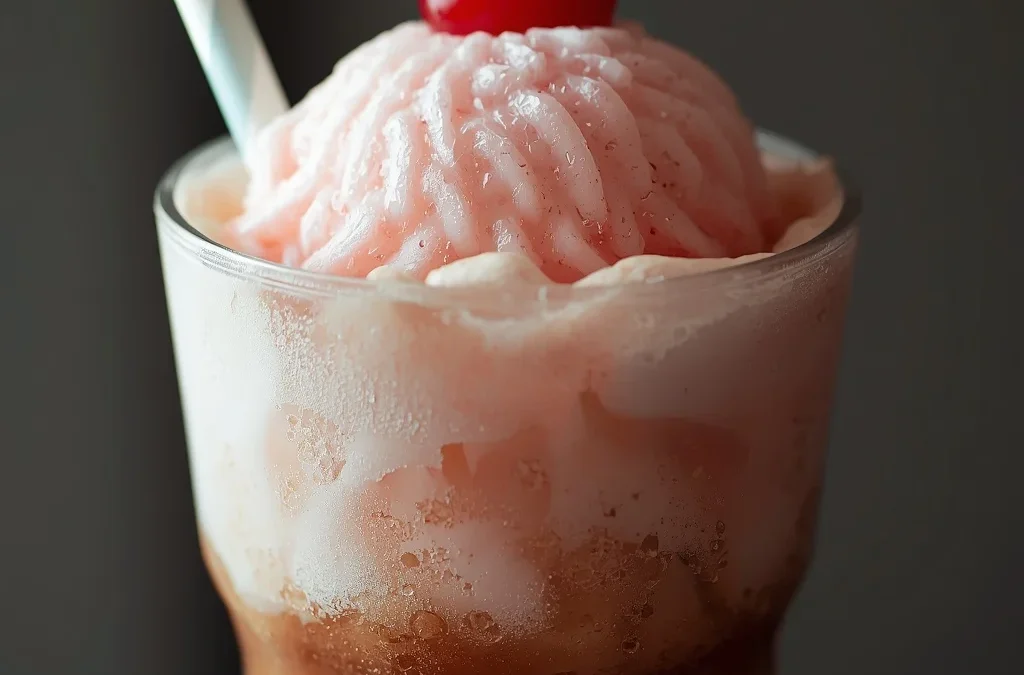
The Fermented Probiotic Soda Float proves that enjoying a satisfying dessert and caring for your digestive wellness can go hand in hand. By replacing synthetic, mass-produced sodas with artisan ginger bug brews, sparkling water kefirs, or complex kombuchas, you transform a traditional sweet shop treat into a living, gut-friendly experience. Whether you stick with classic fiery ginger and sweet peaches or branch out into tropical coconut and pineapple pairings, this simple dessert offers a refreshing upgrade to your kitchen repertoire. Grab your favorite tall glass, scoop in some rich vanilla cream, pour your chilled living soda slowly down the side, and enjoy every luxurious, bubbly sip.
Print
clock clock iconcutlery cutlery iconflag flag iconfolder folder iconinstagram instagram iconpinterest pinterest iconfacebook facebook iconprint print iconsquares squares iconheart heart iconheart solid heart solid icon

Fermented Probiotic Soda Float: The Ultimate Gut-Friendly Dessert Guide


  • Author: David Andersson
  • Total Time: 5 minutes
  • Yield: 4 servings 1x
  • Diet: Vegetarian

Description

To truly appreciate this drink, it helps to break down what makes it so unique compared to standard sugary sodas. At its core, a Fermented Probiotic Soda Float replaces commercially carbonated soft drinks—which are typically loaded with high-fructose corn syrup, artificial colors, and phosphoric acid—with naturally bubbly, living fermented liquids.


Ingredients

Scale

For the float

  • 2 cups chilled fermented probiotic soda — ginger bug soda, water kefir, or kombucha
  • 24 scoops vanilla ice cream or dairy-free vanilla ice cream
  • ½ cup fresh berries, sliced peaches, or mango
  • 12 tsp honey or maple syrup, optional
  • Fresh mint, optional
  • Ice, optional

Optional flavor combinations

  • Ginger: ginger probiotic soda + vanilla ice cream + peach
  • Berry: berry water kefir + vanilla ice cream + strawberries
  • Tropical: pineapple probiotic soda + coconut ice cream + mango
  • Lemon: lemon-ginger soda + vanilla ice cream + blueberries

Instructions

  • Chill the soda well. Keep your fermented soda refrigerated until you’re ready to serve.
  • Prepare the fruit. Lightly mash or slice the fruit. Add a little honey or maple syrup if it’s not very sweet.
  • Add fruit to glasses. Divide the fruit between two tall glasses.
  • Add ice cream. Place 1–2 scoops of vanilla ice cream into each glass.
  • Pour slowly. Gently pour the chilled probiotic soda over the ice cream. It will foam, so add it gradually.
  • Finish. Top with mint and a little extra fruit.
  • Serve immediately with a straw and spoon.

Notes

For the best flavor and probiotic benefits, use a chilled, naturally fermented soda with live cultures. Serve the float immediately after assembling. You can also experiment with different fruits, ice cream flavors, and fermented sodas to create your own favorite combination.

  • Prep Time: 5 minutes
  • Cook Time: 0 minutes
  • Category: Beverage
  • Method: No-Cook
  • Cuisine: American

Nutrition

  • Serving Size: 1 float
  • Calories: 220 kcal

Keywords: Gut friendly soda float, homemade probiotic ice cream float, naturally fermented soda float

Author

Leave a Comment

Recipe rating