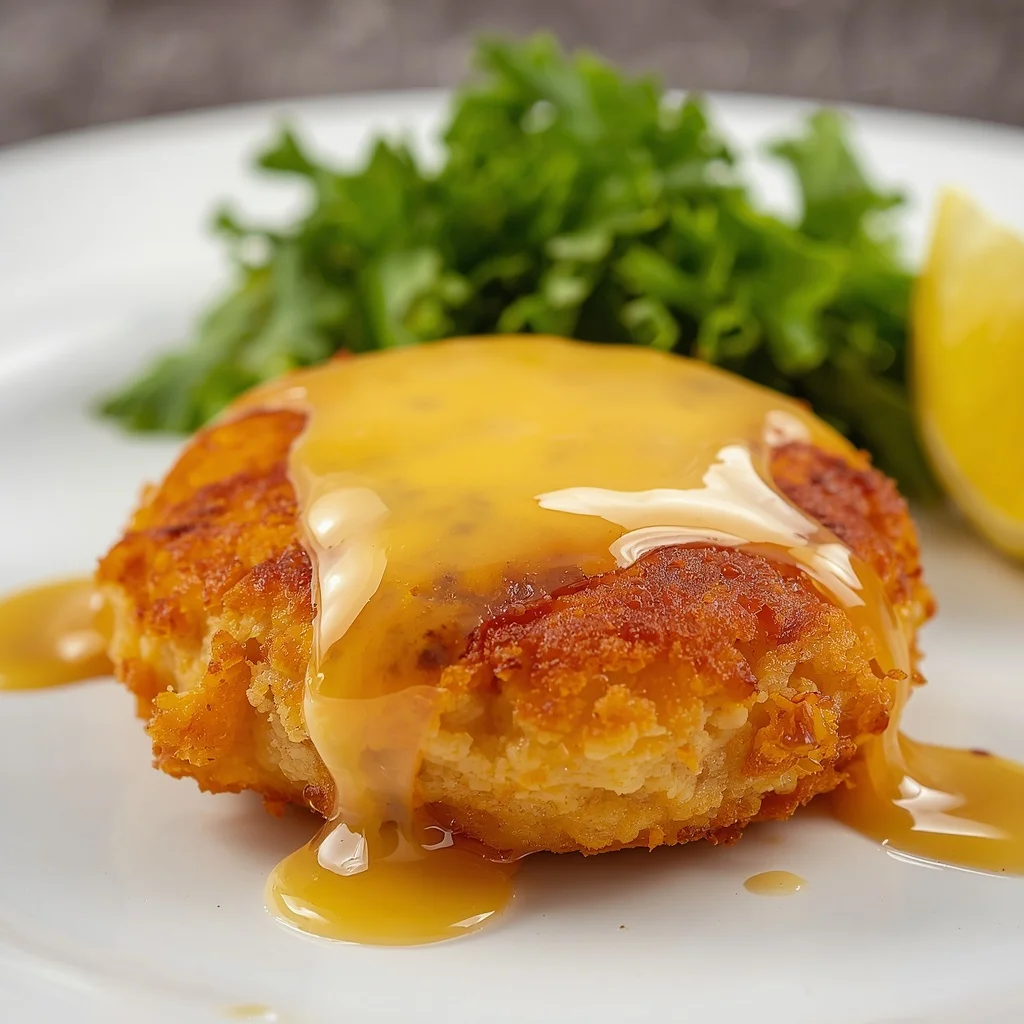
When you think of iconic American seafood, a classic Maryland crab cakes recipe sits right at the top of the list. Coastlines all across the country offer their own spin on seafood. However, the coastal waters around the Chesapeake Bay have produced a culinary legend that stands completely unmatched. The beauty of authentic Maryland crab cakes lies in their gorgeous simplicity. You get an uncompromised focus on quality ingredients. Unlike heavy seafood patties that are weighed down by excess binders, fillers, and doughy breading, a genuine coastal crab cake lets the natural, delicate sweetness of prime crab meat shine through as the undisputed star of the show.
Every single bite delivers an extraordinary balance of contrasting textures. A delicate, golden-brown crust forms on the outside. This outer layer yields instantly to a moist, sweet, and unbelievably tender interior. Enhanced with just a hint of creamy mayonnaise, tangy Dijon mustard, sharp Worcestershire sauce, and that unmistakable kick of savory coastal seasoning, these homemade Maryland crab cakes offer a restaurant-quality experience right at home. You can cook them up for a quick weeknight treat. Alternatively, host an elegant dinner party for close friends. Mastering this simple yet deeply satisfying seafood centerpiece will instantly elevate your culinary repertoire.
What is a Maryland Crab Cakes Recipe?
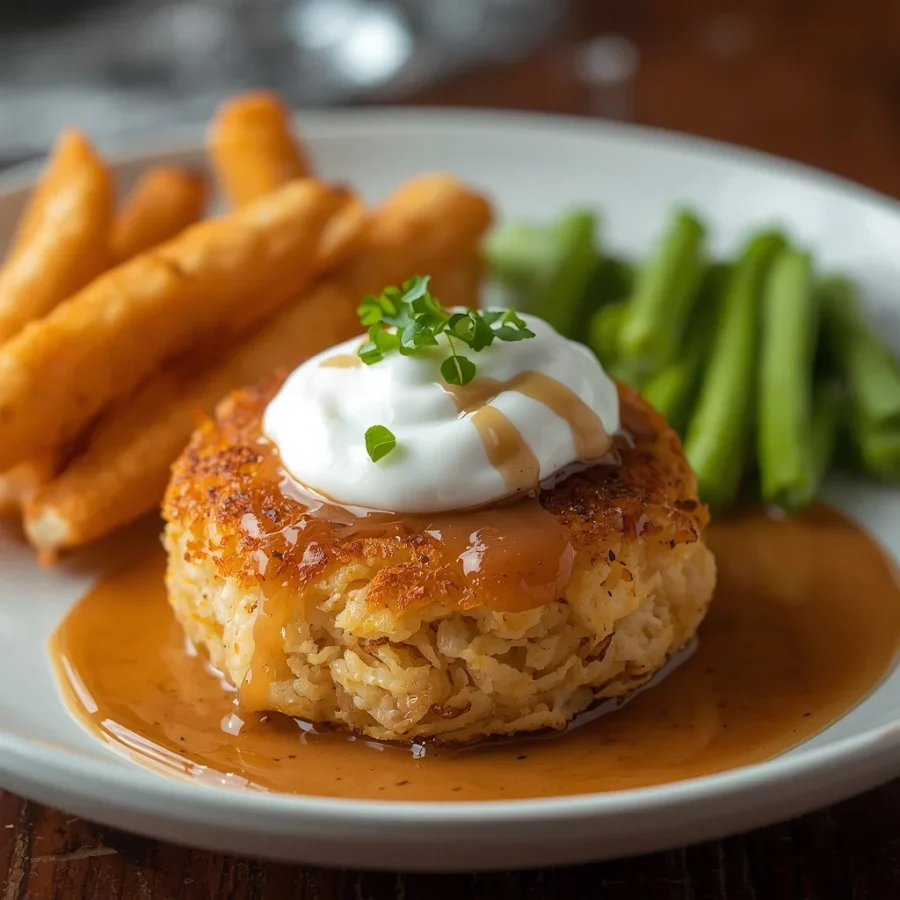
At its core, a Maryland crab cakes recipe is a traditional seafood preparation. It combines sweet, succulent lump crab meat with a minimal amount of liquid binder and seasoning. The mixture is shaped into thick patties. After that, the cakes are pan-seared to golden perfection.
The entire philosophy behind this dish is restraint. Traditionalists strictly avoid heavy filler ingredients like crushed potatoes, dense bread crumbs, or excess flour. These extra fillers can easily overwhelm the light, refined flavor profile of fresh blue crab.
Instead, the binder serves merely as a gentle structural glue. A modest combination of high-quality mayonnaise, a beaten egg, sharp mustard, and subtle spices holds the delicate lump meat together without smothering its natural ocean sweetness. Furthermore, true seafood enthusiasts know that these patties should never look like dense, flat burgers. Rather, they are gently formed into rounded, mounded cakes. This shape retains large, visible, luscious chunks of intact crab meat throughout every single layer.
The Origin and History of Maryland Crab Cakes
To truly appreciate why this dish holds such a beloved place in coastal food culture, it helps to take a deep dive into its rich heritage. Long before European settlers arrived on the shores of North America, indigenous tribes inhabiting the Chesapeake Bay region were already harvesting the abundant blue crab populations. These early communities cooked the sweet seafood over open fires. Then, they combined it with crushed native cornmeal to form small, savory seafood cakes.
The modern incarnation of the recipe began to solidify during the nineteenth century as coastal cooks refined their preparation techniques. Written culinary history first recorded the official term crab cake around nineteen thirty. It appeared in a popular regional cookbook during that time. Throughout this era of regional cooking, home cooks and local tavern chefs along the coast realized that heavy spicing masked the delicate quality of fresh-caught blue crab.
The real revolution for Maryland crab cakes occurred with the invention of Old Bay seasoning in nineteen thirty-nine. Gustav Brunn, a German immigrant living in Baltimore, created this iconic blend. He mixed celery salt, pepper, paprika, and a secret blend of warming spices. The product rapidly became the definitive flavor partner for Chesapeake seafood. Over the decades, local restaurants perfected the ratio of crab to binder. They established the gold standard that seafood lovers continue to celebrate today.
Essential Ingredients and Quantities
Creating authentic, high-quality seafood patties at home requires fresh ingredients mixed in precise proportions. Gather the following items to prepare four delicious servings, which yield eight individual cakes.
For the Crab Base
-
Lump Crab Meat: One pound of high-grade lump or jumbo lump crab meat, carefully picked over to remove any small shell fragments
-
Cracker Crumbs: One-half cup of finely crushed saltine cracker crumbs or unseasoned panko breadcrumbs
Flavorful Binding Mixture
-
Mayonnaise: One-half cup of good quality, real mayonnaise
-
Egg: One large egg, lightly beaten
-
Dijon Mustard: One tablespoon of sharp Dijon mustard
-
Worcestershire Sauce: One teaspoon of savory Worcestershire sauce
-
Regional Seafood Seasoning: One teaspoon of Old Bay seasoning
-
Lemon Juice: One tablespoon of freshly squeezed lemon juice
-
Fresh Parsley: One tablespoon of finely chopped fresh flat-leaf parsley
-
Garlic Powder: One-half teaspoon of garlic powder
-
Black Pepper: One-quarter teaspoon of freshly ground black pepper
For Pan-Frying and Serving
-
Butter: Two tablespoons of unsalted butter
-
Olive Oil: One tablespoon of extra-virgin olive oil
-
Garnish: Fresh lemon wedges and chopped fresh parsley for serving
Step-by-Step Directions and Preparation Method
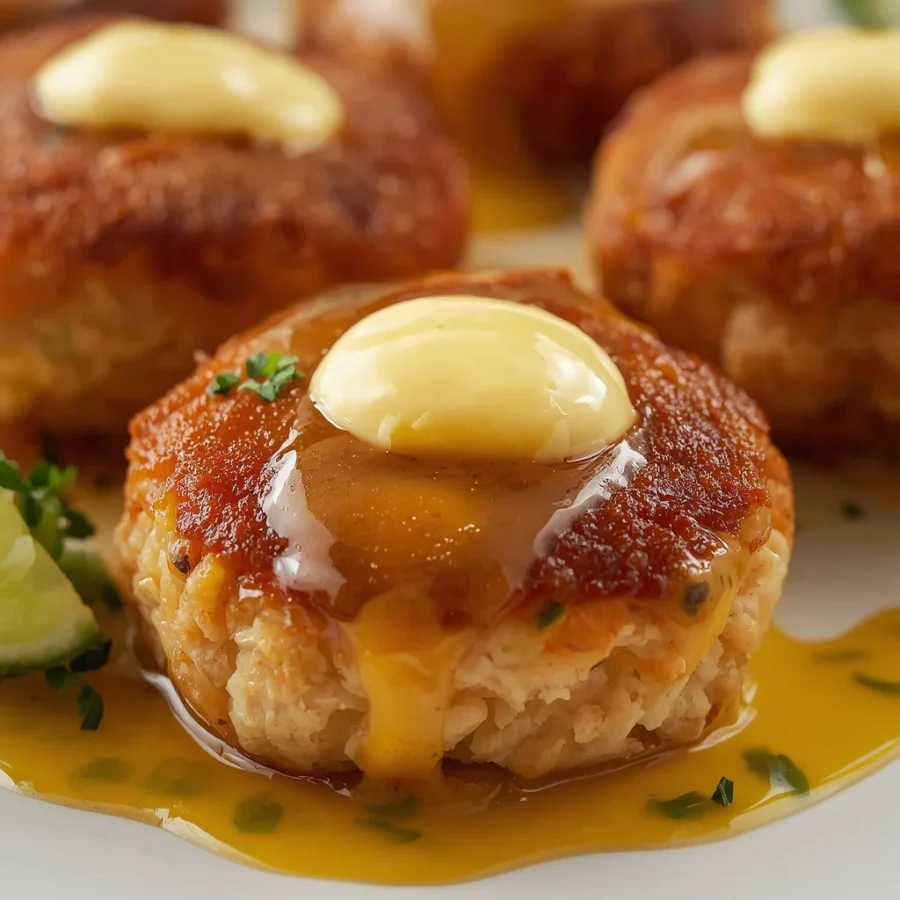
Preparing an outstanding batch of Maryland crab cakes requires a gentle hand and careful attention to detail. Follow these straightforward steps to ensure your cakes hold together beautifully while maintaining a delicate, tender texture inside.
Step One: Inspect and Prepare the Crab Meat
Place your fresh crab meat into a wide, shallow glass bowl or onto a clean rimmed baking sheet. Gently spread the pieces out across the surface. Use your fingers to pick through the meat carefully. Feel around for any stray pieces of hard shell or cartilage.
Preserving the large, intact lumps of crab is critically important during this step. Big chunks create the signature texture of a premium coastal cake. Once you finish inspecting the seafood, set the bowl aside for a moment.
Step Two: Whisk the Liquid Binding Base
In a separate large mixing bowl, combine the real mayonnaise, beaten large egg, Dijon mustard, savory Worcestershire sauce, regional seafood seasoning, freshly squeezed lemon juice, finely chopped fresh parsley, garlic powder, and black pepper.
Whisk these ingredients together vigorously. Continue mixing until the base becomes completely smooth, creamy, and uniform in color. Creating a well-emulsified binding base ensures that the spices and seasonings are distributed evenly throughout the entire batch. This approach avoids the need to overmix the delicate crab later.
Step Three: Fold the Ingredients Gently
Pour the crushed saltine cracker crumbs or panko breadcrumbs directly over the inspected crab meat in your shallow bowl. Next, pour the prepared liquid mayonnaise mixture over the top of the crab and crumbs.
Use a soft silicone spatula or your clean hands to fold the ingredients together gently. Move from the bottom of the bowl upward. Coat the crab pieces without crushing them or breaking them apart. Stop mixing the very second the ingredients are just barely combined. Overmixing will turn your beautiful lump meat into a dense, pasty texture.
Step Four: Form and Chill the Crab Cakes
Divide the finished seafood mixture into eight equal portions. Shape each portion into a thick, mounded round cake using very light pressure. Aim for a thickness of about three-quarters of an inch to one inch. Avoid pressing the mixture too tightly. The patties should be firm enough to hold their shape while remaining light and airy.
Arrange the formed cakes in a single layer on a parchment-lined baking sheet or large plate. Cover the tray loosely with plastic wrap. Put the tray into the refrigerator for at least thirty minutes. Chilling is a critical step because it gives the breadcrumbs time to absorb the liquid binder. This resting period allows the patties to set firmly so they do not fall apart in the hot skillet.
Step Five: Pan-Fry to Golden Perfection
Heat a large, heavy-bottomed skillet or cast-iron pan over medium heat. Add the two tablespoons of unsalted butter and one tablespoon of olive oil to the pan. Allow the butter to melt completely and foam gently. The melted fat will combine with the oil to form a hot, shimmering layer across the bottom of the skillet.
Carefully place the chilled cakes into the hot skillet. Work in batches if necessary so you avoid overcrowding the pan. Cook the patties undisturbed for three to four minutes on the first side. Wait until a deep, golden-brown crust forms on the bottom.
Use a thin, flexible spatula to flip each cake over gently. Cook for another three to four minutes on the second side. Remove them from the heat once they are browned, crisp, and heated completely through to the center.
Step Six: Garnish and Serve Immediately
Transfer the golden-brown cakes to a warm platter lined with paper towels. Let them sit for a brief moment to catch any excess oil. Garnish the top with freshly chopped parsley. Serve immediately alongside fresh lemon wedges for squeezing.
Delicious Recipe Variations and Substitutions: Maryland crab cakes
While the traditional version of Maryland crab cakes is widely considered absolute perfection, you can easily adapt the recipe to accommodate different dietary preferences or ingredient availability.
Baked or Broiled Variation
Baking or broiling is a wonderful option if you prefer to cook without added butter or oil. Preheat your oven to four hundred degrees. Arrange the chilled patties on a lined baking sheet. Brush the tops lightly with a touch of melted butter. Bake for twelve to fifteen minutes until heated through. Turn on the oven broiler for the final two minutes of cooking if you want a crispier top.
Gluten-Free Adaptation
Making a completely gluten-free version of this coastal staple is very simple. Replace the traditional saltine cracker crumbs with certified gluten-free breadcrumbs, crushed gluten-free crackers, or almond flour. Double-check that your Worcestershire sauce and seafood seasoning brands carry certified gluten-free labels as well.
Adding Fresh Herbs and Vegetables
Traditional recipes keep added vegetables to an absolute minimum. Even so, some home cooks love adding a subtle bit of crunch and color. Try folding two tablespoons of finely diced red bell pepper, minced chives, or finely grated celery into the liquid mayonnaise binder before you add the seafood.
Frequently Asked Questions: Maryland crab cakes
Can I prepare Maryland crab cakes cakes ahead of time?
Yes, assembling and shaping the patties up to twenty-four hours in advance works wonderfully. Keep them tightly covered in the refrigerator on a lined baking sheet until you are ready to cook. Cooking them fresh from the refrigerator actually helps them maintain their shape even better in the hot pan.
What is the best type of crab meat to use?
Fresh lump crab meat or jumbo lump crab meat remains the absolute gold standard for this dish because of its sweet flavor and generous chunk size. Backfin crab meat works as an acceptable alternative that offers great flavor at a lower price point. However, those pieces will be noticeably smaller. Avoid using claw meat alone. It possesses a much stronger, fishier flavor profile that can easily overpower the delicate binding seasonings.
How do I keep my crab cakes from falling apart during cooking?
Overmixing and skipping the chilling step represent the two primary reasons patties break apart. Always handle the seafood gently when folding in the binder. Never skip the thirty-minute stint in the refrigerator. That resting period allows the dry crumbs to absorb liquid and bind everything together firmly.
What are the best side dishes to serve alongside this meal?
Traditional coastal pairings include creamy cabbage coleslaw, crispy french fries, steamed corn on the cob, roasted asparagus, or a light garden salad tossed in lemon vinaigrette. Homemade tartar sauce or spicy remoulade also makes a wonderful dipping companion.
Bringing Coastal Cuisine to Your Kitchen Table: Maryland crab cakes
Mastering an authentic Maryland crab cakes recipe is one of the most rewarding skills any seafood lover can add to their culinary toolkit. You create a dish that honors decades of coastal American tradition by selecting high-quality lump meat, mixing it gently with a rich binder, and pan-searing the patties to a glorious golden crisp. The irresistible harmony of sweet seafood, savory spices, and rich butter proves that the best meals are often those kept deliciously simple. Gather your fresh ingredients today. Follow these straightforward techniques, and enjoy a true taste of coastal excellence right in your own home.
Print
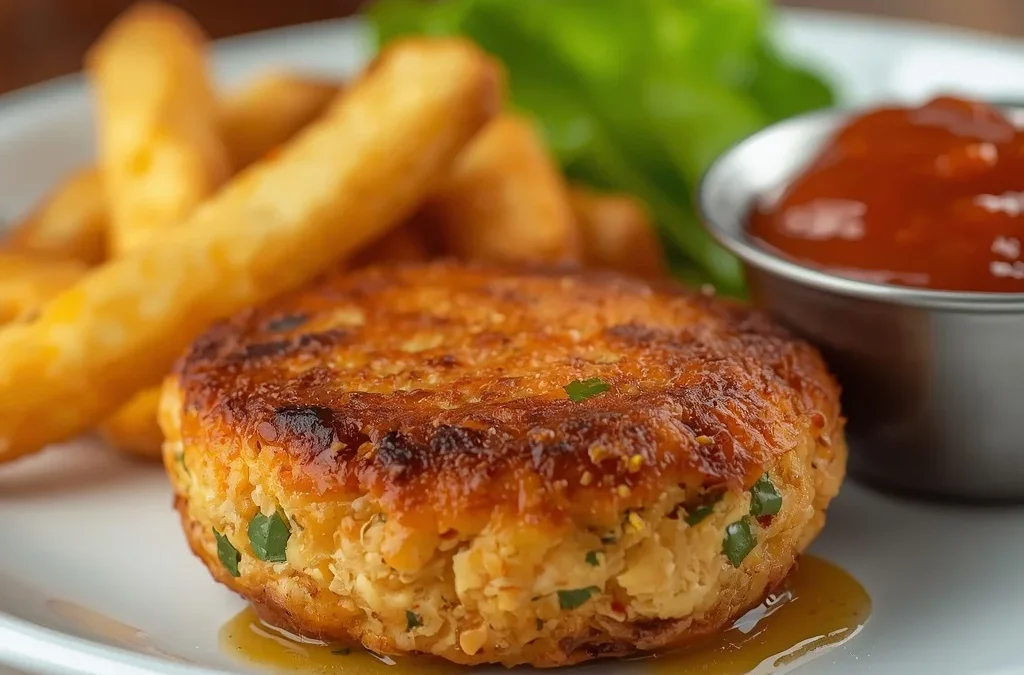
Maryland Crab Cakes
- Total Time: 53 minutes
- Yield: 8 crab cakes 1x
Description
To truly appreciate why this dish holds such a beloved place in coastal food culture, it helps to take a deep dive into its rich heritage. Long before European settlers arrived on the shores of North America, indigenous tribes inhabiting the Chesapeake Bay region were already harvesting the abundant blue crab populations. These early communities cooked the sweet seafood over open fires. Then, they combined it with crushed native cornmeal to form small, savory seafood cakes.
Ingredients
Scale
- 1 lb (450 g) lump crab meat, picked over for shells
- ½ cup mayonnaise
- 1 large egg
- 1 tbsp Dijon mustard
- 1 tsp Worcestershire sauce
- 1 tsp Old Bay seasoning
- 1 tbsp fresh lemon juice
- 1 tbsp fresh parsley, chopped
- ½ tsp garlic powder
- ½ cup saltine cracker crumbs or panko breadcrumbs
- ¼ tsp black pepper
- 2 tbsp butter
- 1 tbsp olive oil
- Lemon wedges, for serving
- Fresh parsley, for garnish
Instructions
- Prepare the crab: Gently pick through the crab meat to remove any shell pieces, being careful not to break up the crab too much.
- Make the mixture: In a large bowl, whisk together mayonnaise, egg, Dijon mustard, Worcestershire sauce, Old Bay, lemon juice, parsley, garlic powder, and black pepper.
- Add crab and crumbs: Gently fold in the crab meat and cracker crumbs until just combined. Avoid overmixing.
- Form the cakes: Divide the mixture into 8 portions and gently shape each into a thick crab cake.
- Chill: Place the crab cakes on a plate or baking sheet and refrigerate for 30 minutes. This helps them hold their shape while cooking.
- Pan-fry: Heat butter and olive oil in a large skillet over medium heat. Cook the crab cakes for about 3–4 minutes per side, or until golden brown and heated through.
- Serve: Transfer to a serving plate and garnish with parsley. Serve immediately with lemon wedges and your favorite dipping sauce.
Notes
- Prep Time: 15 minutes
- Cook Time: 8 minutes
- Category: Appetizer
- Method: Pan-Fried
- Cuisine: American
Nutrition
- Serving Size: 2 crab cakes
- Calories: ~350 kcal
Keywords: Maryland style crab cakes, authentic crab cakes, traditional crab cakes
