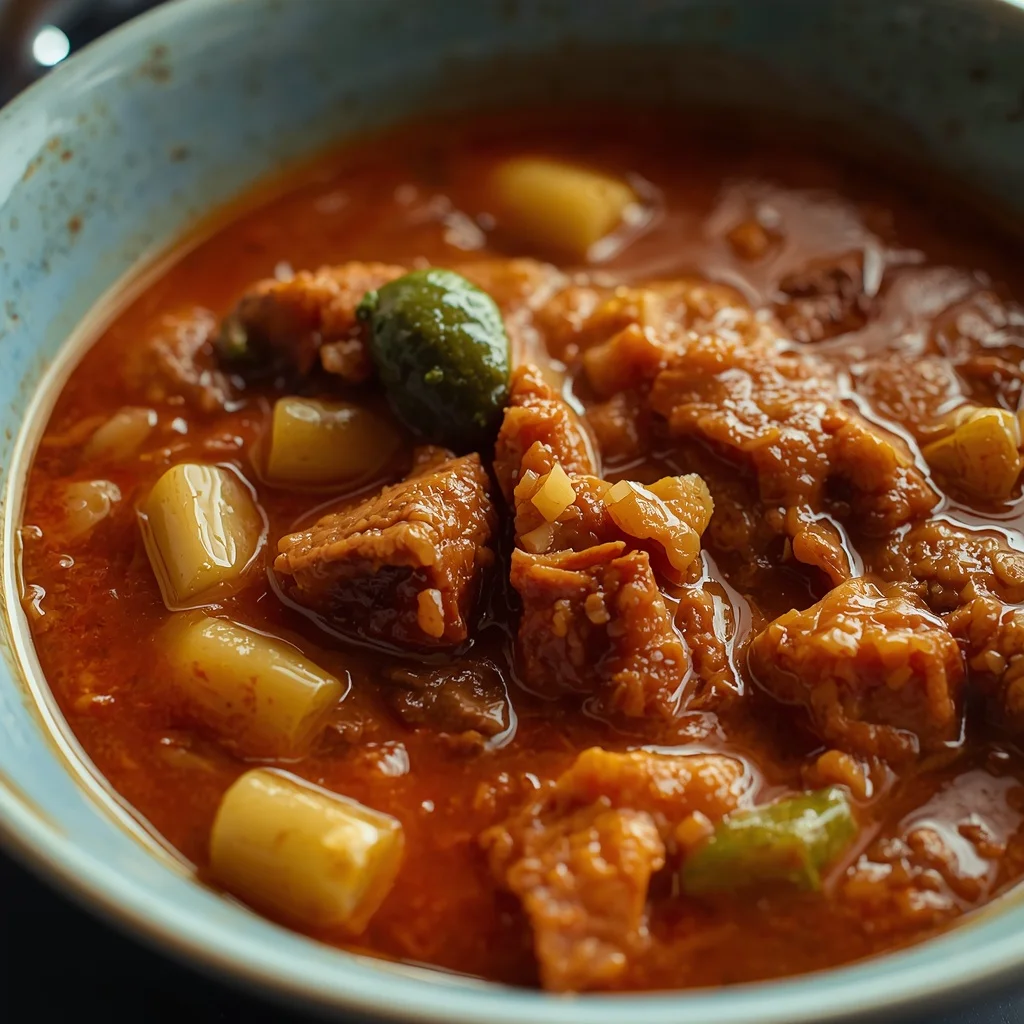
Few dishes capture the heart and soul of Southern cuisine quite like authentic New Orleans gumbo. This rich, deeply comforting stew is the undisputed crown jewel of Louisiana cooking. It brings together a slow-cooked roux, tender proteins, aromatic vegetables, and a medley of warm spices. Every single spoonful delivers a complex harmony of smoky, savory, and herbal notes that warm you from the inside out. When you serve a hot bowl of New Orleans gumbo over a bed of fluffy white rice, you are not just offering dinner. You are sharing a piece of living culinary history that brings family and friends gathered tightly around the dining table.
Writing a true New Orleans gumbo recipe requires an appreciation for patience, technique, and deep flavor building. The key to making this iconic dish at home lies in taking your time with the foundational elements, especially the dark roux. Unlike quick weeknight soups, this traditional recipe rewards careful attention and slow simmering. As the ingredients meld together over low heat, the rich broth transforms into a silky, complex stew that tastes even better the next day. Whether you are cooking for a festive weekend gathering or simply craving an authentic taste of the Deep South, this detailed guide will show you how to master the art of making a legendary pot of comfort food in your own kitchen.
What is New Orleans Gumbo?
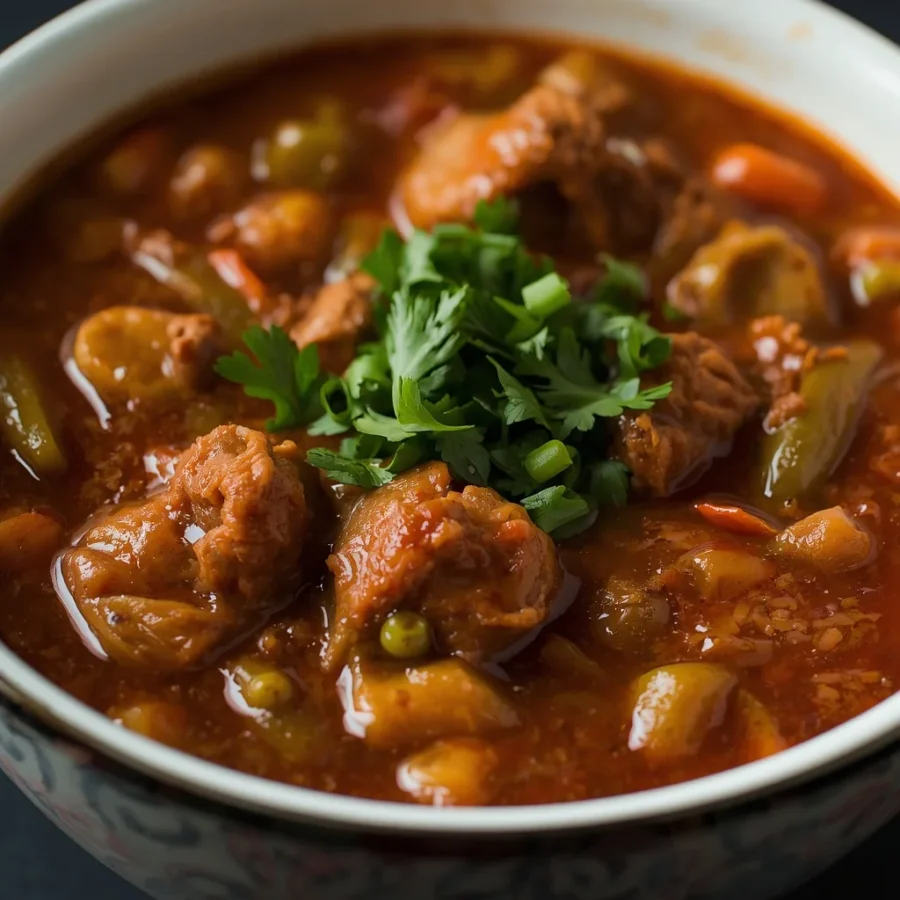
At its core, New Orleans gumbo is a thick, highly seasoned stew that combines a dark flour-and-oil roux, the traditional Louisiana vegetable trinity, flavorful broth, and a mix of meats or seafood. What sets this dish apart from standard stews is its unique multi-layered thickening process and its distinct flavor profile. The foundation relies on a roux that is cooked until it reaches a dark chocolate color, imparting a nutty, roasted taste that defines the entire meal.
Unlike soups that rely on simple meat broths, this dish achieves its signature texture through three distinct thickening agents: the dark roux itself, okra, or dried sassafras leaf powder known as filé powder. The finished stew features bite-sized pieces of seared chicken thighs and smoky sliced andouille sausage submerged in a glossy, dark gravy. ladle it hot over freshly steamed white rice, and you have a complete, well-balanced meal that satisfies even the heartiest appetites.
The Origin and History of Louisiana Gumbo
To truly understand New Orleans gumbo, you must look at the fascinating blend of cultures that formed the unique identity of Louisiana. The dish itself is a living testament to the multicultural history of New Orleans, drawing direct influences from West African, Native American, French, and Spanish traditions during the eighteenth century.
The word itself is widely believed to originate from the West African word for okra, ki ngombo, which was introduced to the region by enslaved Africans who used the vegetable to thicken native stews. Meanwhile, Native American Choctaw tribes shared their knowledge of filé powder, a finely ground spice made from dried sassafras leaves that provides a earthy aroma and acts as a secondary thickener.
French culinary heritage contributed the foundational concept of the roux, though local cooks adapted the technique by using oil or lard instead of butter to allow for higher cooking temperatures and a much darker color. Spanish influences introduced the heavy use of aromatic bell peppers, onions, and garlic, creating a variation of their classic sofrito. Over time, these diverse culinary lineages merged inside heavy iron kettles across the Mississippi River delta, giving birth to the beloved regional masterpiece we celebrate today.
Essential Ingredients and Quantities: New Orleans gumbo
Making an authentic batch of New Orleans gumbo for six hungry diners requires fresh, high-quality ingredients measured accurately. Gather the following components before turning on your stove.
For the Dark Roux Base
-
Vegetable Oil: One-half cup of high-smoke-point vegetable oil or canola oil
-
All-Purpose Flour: One-half cup of plain all-purpose white flour
Louisiana Trinity and Aromatics
-
Yellow Onion: One medium yellow onion, finely diced
-
Green Bell Pepper: One medium green bell pepper, finely diced
-
Celery: Two stalks of fresh celery, finely diced
-
Garlic: Four fresh garlic cloves, finely minced
For the Proteins and Liquids
-
Chicken: One pound of boneless, skinless chicken thighs, cut into bite-sized pieces
-
Smoked Sausage: Twelve ounces of smoked andouille sausage, cut into thin coins
-
Chicken Stock: Six cups of low-sodium chicken stock or rich homemade broth
-
Diced Tomatoes: One small can, equal to fourteen and one-half ounces, of diced tomatoes (optional for Creole style)
Seasonings and Enhancers
-
Bay Leaves: Two whole dried bay leaves
-
Creole Seasoning: Two teaspoons of blend Creole spice mix
-
Smoked Paprika: One teaspoon of sweet smoked paprika
-
Dried Thyme: One-half teaspoon of dried thyme leaves
-
Black Pepper: One-half teaspoon of freshly ground black pepper
-
Salt: One-half teaspoon of sea salt, or adjusted to personal taste
-
Worcestershire Sauce: One tablespoon of savory Worcestershire sauce
-
Fresh Parsley: Two tablespoons of fresh flat-leaf parsley, finely chopped
-
Green Onions: Three whole green onions, thinly sliced
-
Filé Powder: One to two tablespoons of dried sassafras filé powder (optional, for finishing)
For Serving
-
White Rice: Three cups of hot cooked long-grain white rice
-
Garnish: Additional chopped fresh parsley, sliced green onions, and hot sauce
Step-by-Step Directions and Preparation Method: New Orleans gumbo
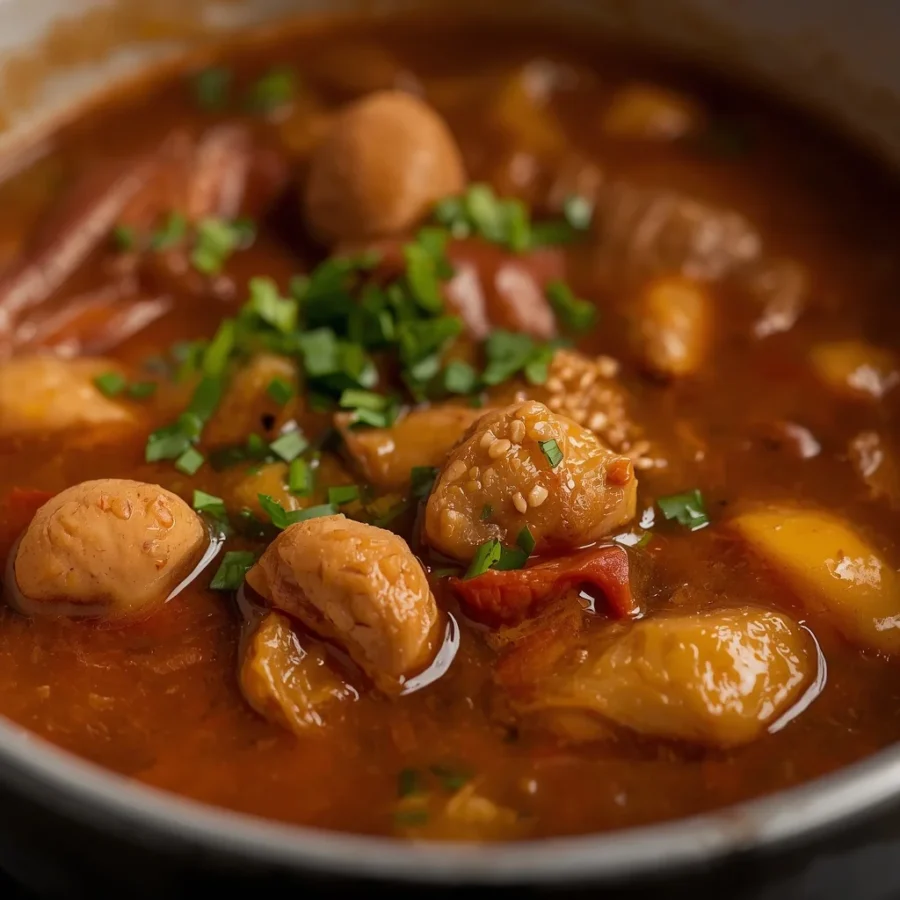
Creating a memorable batch of New Orleans gumbo is an engaging cooking journey. Follow these step-by-step instructions carefully to build rich layers of flavor.
Step One: Crafting the Dark Roux
Place a large, heavy-bottomed Dutch oven or cast-iron pot over medium heat. Pour in one-half cup of vegetable oil and allow it to heat up for one minute. Gradually whisk in one-half cup of all-purpose flour until a smooth, thin paste forms.
Reduce your heat slightly to medium-low. Cook the mixture for twenty to thirty minutes, stirring constantly with a wooden spoon or wire whisk. Do not leave the pot unattended for even a single moment. As the flour toasts in the oil, it will transition from a pale blonde shade to a peanut butter color, then to a reddish copper, and finally to a deep, dark chocolate color. If you see black specks, the flour has burned, and you must start over. The patience you invest in reaching that deep chocolate brown color will reward you with an unforgettable depth of flavor.
Step Two: Cooking the Vegetable Trinity
Once your roux reaches the desired dark chocolate hue, immediately add the diced yellow onion, green bell pepper, and celery directly into the hot pot. The moisture from the fresh vegetables will instantly stop the roux from darkening any further.
Stir the vegetables continuously into the thick paste for about five minutes. The heat will soften the onions and peppers while releasing their sweet, aromatic juices into the toasted flour base. Add the four minced garlic cloves during the final minute of this cooking phase, stirring until fragrance fills your kitchen.
Step Three: Searing the Chicken and Sausage
Push the softened vegetable mixture slightly to the sides of your heavy pot. Add the sliced smoked andouille sausage coins and the bite-sized chicken thigh pieces directly into the center of the pot.
Cook the proteins and vegetables together for approximately five minutes, stirring occasionally. As the sausage heats up, it will render out its rich, smoky red oils, which meld seamlessly into the vegetable and flour mixture. The chicken pieces will begin to brown on the outside, sealing in their natural juices.
Step Four: Incorporating Stock and Spices
Slowly pour in the six cups of chicken stock, roughly one cup at a time, whisking gently after each addition to prevent lumps from forming in your roux. The liquid will thicken initially before smoothing out into a rich, dark broth.
Stir in the optional diced tomatoes, two whole bay leaves, two teaspoons of Creole seasoning, one teaspoon of smoked paprika, one-half teaspoon of dried thyme, one-half teaspoon of black pepper, one-half teaspoon of salt, and one tablespoon of Worcestershire sauce. Raise the burner heat slightly to bring the pot to a gentle, rolling boil.
Step Five: The Low and Slow Simmer
As soon as the stew reaches a gentle boil, reduce the burner heat to low. Cover the pot partially with its lid, leaving a small gap for steam to escape smoothly.
Allow your New Orleans gumbo to simmer gently for forty-five to sixty minutes. Stir the pot every fifteen minutes to ensure the bottom does not catch. During this extended simmer, the chicken thighs will turn unbelievably tender, the smoky sausage flavors will infuse the liquid, and the broth will reduce into a velvety, thick gravy.
Step Six: Finishing Touches and Presentation
Turn off the burner heat completely and move the pot to a cool burner. Carefully remove and discard the two bay leaves. Stir in two tablespoons of fresh chopped parsley and the sliced green onions.
If you are using filé powder, sprinkle one to two tablespoons lightly over the surface now and gently fold it into the stew. Never boil the stew after adding filé powder, as doing so can make the liquid stringy or tough. Taste the gravy and add a tiny pinch of extra salt or black pepper if desired.
Spoon generous scoops of hot cooked long-grain white rice into the center of wide soup bowls. Ladle the hot stew and tender meats generously around the rice mound. Garnish with extra green onions and serve immediately with hot sauce on the side.
Flavorful Recipe Variations to Try: New Orleans gumbo
While chicken and smoked sausage represent the quintessential inland style of New Orleans gumbo, this classic Louisiana recipe welcomes endless regional customizations.
Seafood Style
If you prefer ocean flavors, create a seafood variation by substituting the chicken stock with rich shrimp stock. During the last ten minutes of simmering, fold in one pound of peeled raw wild shrimp and one-half pound of lump crab meat. Cook gently just until the shrimp turn pink and opaque.
Okra Thickened Variation
For those who enjoy authentic rustic textures, add one and one-half cups of fresh or frozen sliced okra into the pot when cooking your vegetable trinity. Okra acts as a natural thickening agent and adds a subtle vegetal sweetness that balances the heavy spices beautifully.
Creole Tomato Style versus Cajun Style
Creole versions originating within the city limits of New Orleans traditionally include canned diced tomatoes for a slight acid lift. Country Cajun versions from the surrounding bayou regions strictly exclude tomatoes in favor of an even darker roux and heavier smoke profile. You can include or omit tomatoes based on your personal preference.
Frequently Asked Questions: New Orleans gumbo
Why is my roux taking so long to darken?
Cooking a proper dark roux requires patience. If your heat is set too low, the process can easily take up to forty minutes. Maintain a steady medium-low flame and keep whisking continuously. The color transformation happens rapidly during the final five minutes, so stay attentive.
Can I make New Orleans gumbo a day in advance?
Yes, this meal tastes even better when prepared twenty-four hours in advance. As the stew rests overnight in the refrigerator, the complex spices, smoky meats, and dark roux merge together even more deeply. Simply reheat the pot slowly over low heat on the stovetop before serving.
What should I do if my roux burns?
If you notice black specks or smell a bitter, harsh odor while cooking your flour and oil, your roux has burned. Unfortunately, there is no way to mask the bitter taste of burned flour. You must discard the mixture, wash your pot thoroughly, and start fresh with new oil and flour.
What is the difference between Creole seasoning and Cajun seasoning?
Creole seasoning typically features a wider herb profile including dried thyme, oregano, and basil alongside paprika and garlic. Cajun seasoning tends to be slightly simpler and much heavier on black pepper, white pepper, and spicy cayenne. Either spice blend works wonderfully in this recipe.
Bringing Louisiana Tradition Home: New Orleans gumbo
Mastering an authentic New Orleans gumbo is one of the most fulfilling achievements for any passionate home cook. By taking the time to cook a deep chocolate roux, sautéing fresh regional vegetables, and allowing high-quality meats to simmer slowly, you create a dish that transcends a simple weeknight dinner. The magical balance of smoky, spicy, and savory elements creates a rich dining experience that honors centuries of Southern tradition. Gather your ingredients, enjoy the rhythmic process of stirring your pot, and savor every single drop of this timeless coastal favorite.
Print
New Orleans Gumbo
- Total Time: 1 hour 35 minutes
- Yield: 6 servings 1x
- Diet: Gluten Free
Description
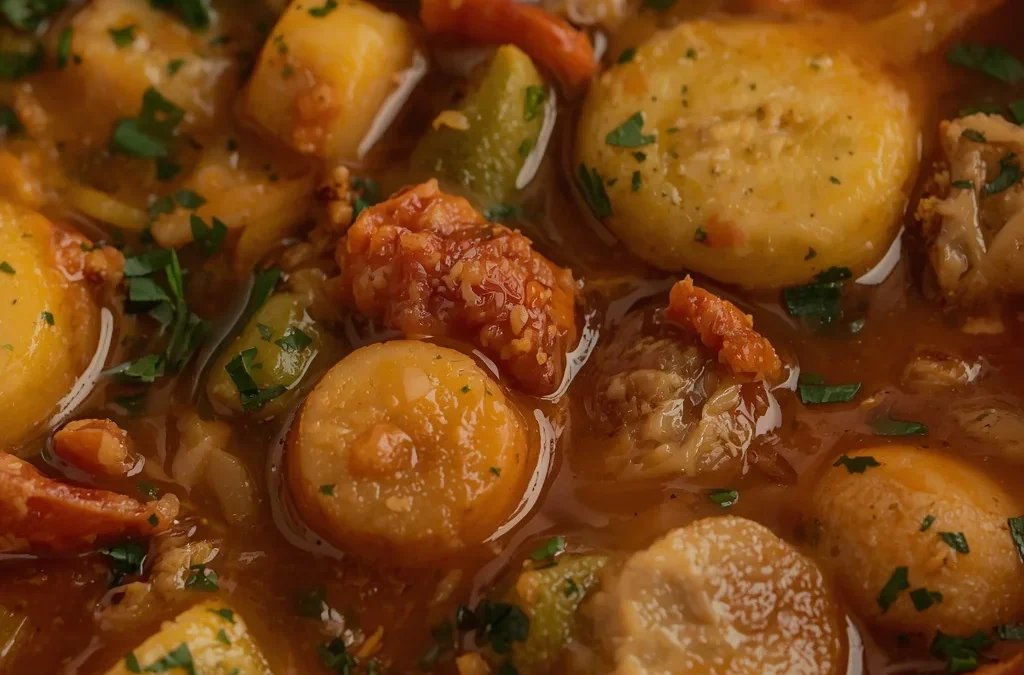
At its core, New Orleans gumbo is a thick, highly seasoned stew that combines a dark flour-and-oil roux, the traditional Louisiana vegetable trinity, flavorful broth, and a mix of meats or seafood. What sets this dish apart from standard stews is its unique multi-layered thickening process and its distinct flavor profile. The foundation relies on a roux that is cooked until it reaches a dark chocolate color, imparting a nutty, roasted taste that defines the entire meal.
Ingredients
Scale
For the gumbo
- ½ cup vegetable oil
- ½ cup all-purpose flour
- 1 medium onion, diced
- 1 green bell pepper, diced
- 2 celery stalks, diced
- 4 cloves garlic, minced
- 1 lb (450 g) boneless, skinless chicken thighs, cut into bite-sized pieces
- 12 oz (340 g) smoked andouille sausage, sliced
- 6 cups chicken stock
- 1 can (14.5 oz) diced tomatoes, optional
- 2 bay leaves
- 2 tsp Creole seasoning
- 1 tsp smoked paprika
- ½ tsp dried thyme
- ½ tsp black pepper
- ½ tsp salt, or to taste
- 1 tbsp Worcestershire sauce
- 2 tbsp fresh parsley, chopped
- 3 green onions, sliced
- 1–2 tbsp filé powder, optional
For serving
- 3 cups cooked white rice
- Fresh parsley or green onions
- Hot sauce, optional
Instructions
- Make the roux: Heat the oil in a large heavy-bottomed pot over medium heat. Gradually whisk in the flour. Cook, stirring constantly, for 20–30 minutes, until the roux becomes a deep reddish-brown color. Be careful not to burn it.
- Add the vegetables: Stir in the onion, bell pepper, and celery. Cook for about 5 minutes until softened. Add the garlic and cook for another minute.
- Add the meat: Stir in the chicken and andouille sausage. Cook for about 5 minutes, stirring occasionally.
- Add the stock: Slowly pour in the chicken stock while stirring to prevent lumps. Add tomatoes, bay leaves, Creole seasoning, paprika, thyme, black pepper, salt, and Worcestershire sauce.
- Simmer: Bring to a gentle boil, then reduce the heat. Cover partially and simmer for 45–60 minutes, stirring occasionally, until the chicken is tender and the flavors have developed.
- Finish: Remove the bay leaves. Stir in parsley and green onions. If desired, sprinkle in filé powder after removing the pot from the heat and stir gently.
- Serve: Spoon the gumbo over cooked white rice and garnish with green onions or parsley. Add hot sauce for extra heat.
Notes
- Prep Time: 20 minutes
- Cook Time: 1 hour 15 minutes
- Category: Main Course
- Method: Stovetop
- Cuisine: Cajun/Creole
Nutrition
- Serving Size: 1 serving with ½ cup rice
- Calories: ~620 kcal
Keywords: Louisiana gumbo, authentic New Orleans gumbo, traditional chicken and sausage gumbo
