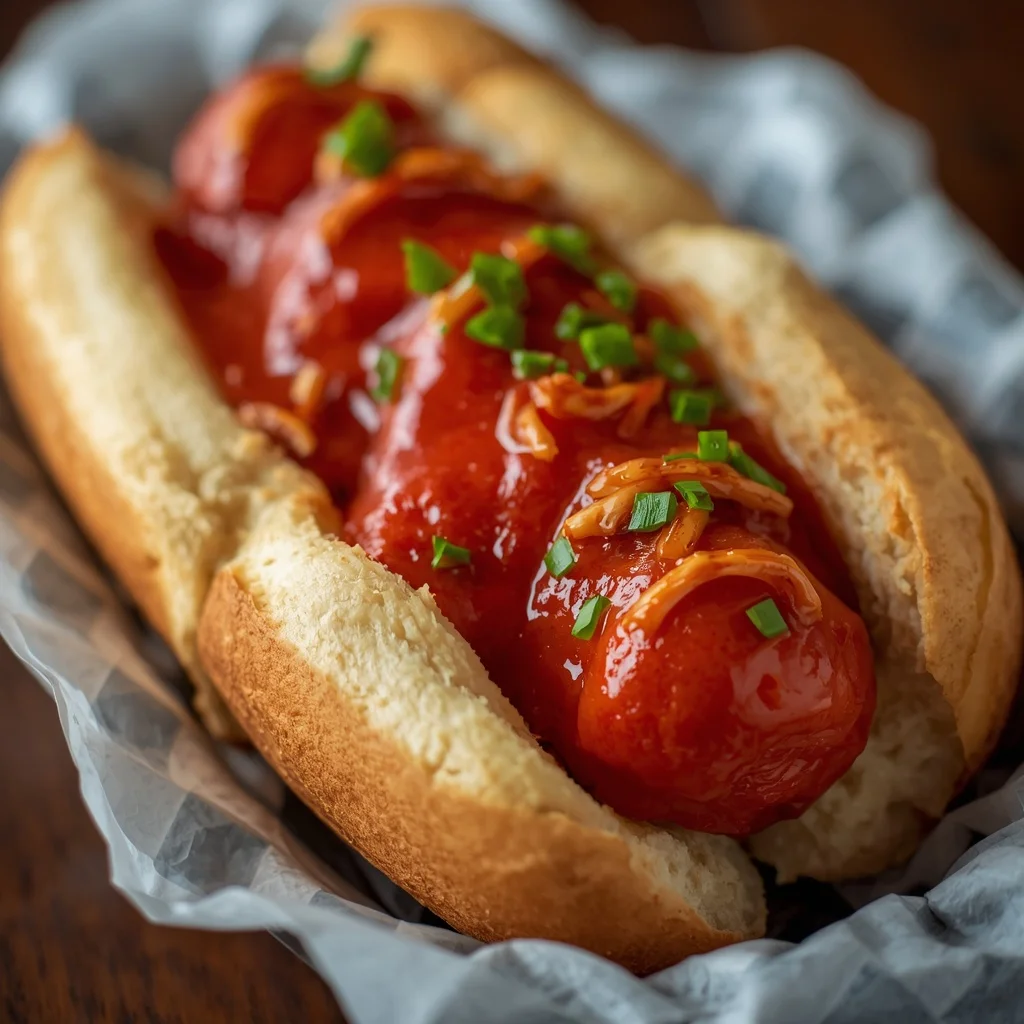
If you are looking for an iconic, flavorful, and deeply satisfying sandwich to bring authentic Louisiana flavor straight to your kitchen, learning how to make this New Orleans po’ boy recipe will give you an unforgettable culinary experience. Finding a sandwich that delivers the ultimate crispiness without feeling greasy or heavy can be a real challenge for home cooks. Luckily, making your own New Orleans po’ boy allows you to combine golden fried seafood, tangy homemade remoulade sauce, fresh veggies, and soft yet crusty bread with complete control over every single bite. Packed with juicy shrimp, warm Creole spices, crunchy dill pickles, and shredded lettuce, this sandwich offers an amazing contrast of textures and temperatures that people crave year-round.
Whether you are planning a weekend lunch, hosting a casual party, or simply craving famous southern street food, following a great New Orleans po’ boy recipe helps you achieve restaurant-quality results right at home. In this detailed guide, we will explore everything you need to know about preparing this legendary dish, including its rich history, ingredient breakdowns, step-by-step cooking techniques, popular meat variations, and answers to common kitchen questions so your sandwich turns out perfectly every single time.
What Is a New Orleans Po’ Boy?
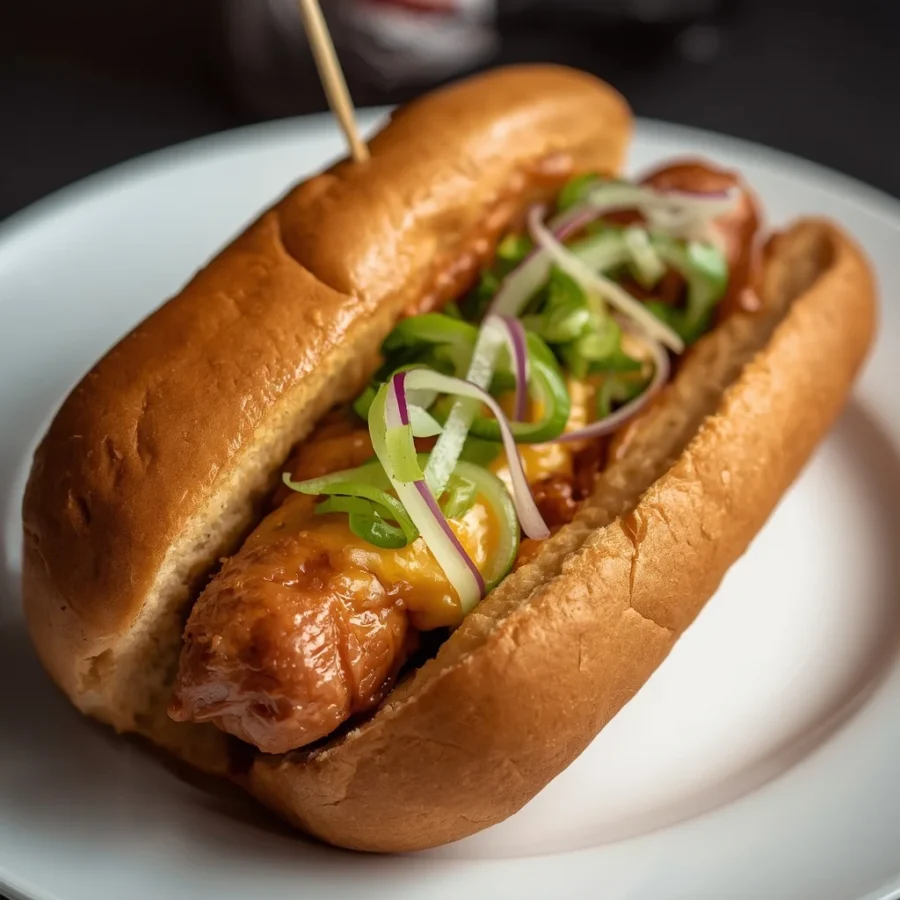
A New Orleans po’ boy is a traditional Louisiana sandwich built on a specific style of wide French bread that features a thin, crispy crust and an airy, light interior. The defining element of this classic meal is its generous filling, which most commonly consists of cornmeal-crusted fried shrimp, fried oysters, crispy catfish, or slow-cooked roast beef slathered in rich gravy. When ordered dressed in local eateries, the sandwich comes fully loaded with creamy remoulade sauce, shredded iceberg lettuce, ripe tomato slices, and tart dill pickles.
Unlike standard submarine sandwiches or modern hoagies that rely on dense, chewy rolls, an authentic po’ boy relies on its distinct bread structure to hold heavy fillings without becoming overly tough to bite through. The combination of warm, freshly fried seafood paired with chilled, crisp vegetables and zesty mayonnaise sauce creates a harmony of flavors that has made it a global favorite among food lovers.
Origin and History of the Po’ Boy
To truly appreciate this New Orleans po’ boy recipe, it is helpful to look back at how this famous sandwich originated during a difficult chapter in Louisiana history. The story of the po’ boy dates back to nineteen twenty-nine during a major streetcar strike in New Orleans. Two former streetcar conductors turned restaurant owners, Clovis and Bennie Martin, stepped forward to support their striking union brothers by offering them free meals from their coffee stand and restaurant.
The Martin brothers worked closely with a local baker named John Gendusa to design a specialized loaf of French bread. Standard French baguettes tapered at the ends, which resulted in uneven sandwiches with wasted end crusts. Gendusa created a long, rectangular loaf with uniform width from end to end, ensuring that every worker received a hearty, equal portion filled with leftover beef gravy, potatoes, or fried seafood.
Whenever a striking streetcar worker walked up to the back door of the restaurant, the kitchen staff would call out that another poor boy was coming down the street. Over time, the phrase poor boy naturally slurred into the local dialect as po’ boy. What began as an act of solidarity during hard economic times quickly evolved into a beloved regional treasure enjoyed across the world today.
Ingredients and Exact Quantities
Creating a phenomenal sandwich requires balancing seasoned dry coatings, a flavorful wet marinade, fresh toppings, and a zesty sauce base. Here is the full list of ingredients and exact amounts you will need to assemble this dish:
The Shrimp Marinade and Dry Dredge
-
Large Shrimp: One pound of large fresh shrimp, thoroughly peeled and deveined.
-
Buttermilk: One cup of plain buttermilk to tenderize the seafood and help the dry coating stick.
-
Cornmeal: One cup of yellow cornmeal to deliver a signature southern crunch.
-
All-Purpose Flour: One-half cup of all-purpose flour to lighten the texture of the breading.
-
Paprika: One teaspoon of ground paprika for mild warmth and golden color.
-
Cajun Seasoning: One teaspoon of quality Cajun or Creole seasoning blend.
-
Garlic Powder: One-half teaspoon of garlic powder.
-
Onion Powder: One-half teaspoon of onion powder.
-
Salt: One-half teaspoon of fine sea salt.
-
Black Pepper: One-fourth teaspoon of ground black pepper.
-
Frying Oil: Vegetable oil, canola oil, or peanut oil for frying.
The Tangy Remoulade Sauce
-
Mayonnaise: One-half cup of real mayonnaise for a rich, creamy foundation.
-
Dijon Mustard: One tablespoon of Dijon mustard or coarse brown mustard.
-
Hot Sauce: One tablespoon of Louisiana-style hot sauce for a gentle kick.
-
Pickle Relish: One tablespoon of sweet or dill pickle relish.
-
Lemon Juice: One teaspoon of freshly squeezed lemon juice.
-
Cajun Seasoning: One-half teaspoon of Cajun seasoning.
-
Garlic Powder: One-fourth teaspoon of garlic powder.
Assembly and Toppings
-
French Bread: Four crusty French rolls or individual po’ boy loaves.
-
Lettuce: Two cups of finely shredded iceberg lettuce.
-
Tomato: One large ripe tomato, sliced into thin rounds.
-
Pickles: One-half cup of dill pickle slices.
-
Lemon Wedges: Fresh lemon wedges for squeezing over the hot shrimp prior to eating.
Step-by-Step Directions and Preparation Method: New Orleans po’ boy
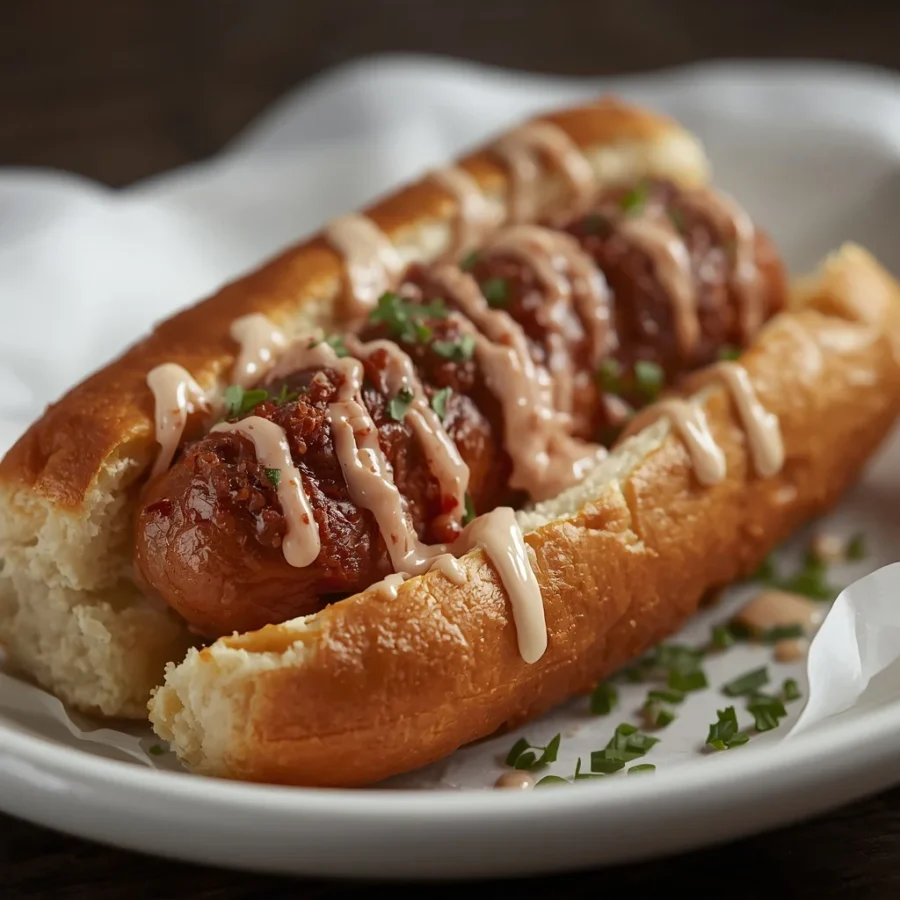
Following a systematic preparation method ensures your seafood cooks through evenly without burning while keeping the breading ultra-crispy. Here is how to assemble your sandwiches step by step.
Step One: Preparing the Remoulade Sauce
In a small mixing bowl, combine one-half cup of mayonnaise, one tablespoon of Dijon mustard, one tablespoon of hot sauce, one tablespoon of pickle relish, one teaspoon of lemon juice, one-half teaspoon of Cajun seasoning, and one-fourth teaspoon of garlic powder. Whisk the ingredients thoroughly until smooth and well combined. Cover the bowl with plastic wrap and chill it in the refrigerator while you prepare the rest of the meal. Chilling allows the spices to infuse into the mayonnaise for maximum flavor depth.
Step Two: Marinating the Shrimp
Place one pound of peeled and deveined large shrimp into a medium glass bowl. Pour one cup of plain buttermilk directly over the shrimp, making sure every piece is fully submerged. Let the shrimp soak in the refrigerator for ten to fifteen minutes. The natural acid in the buttermilk tenderizes the seafood while providing a wet base that helps the cornmeal mixture cling tightly.
Step Three: Mixing the Dry Coating
In a wide, shallow bowl or baking dish, whisk together one cup of cornmeal, one-half cup of all-purpose flour, one teaspoon of paprika, one teaspoon of Cajun seasoning, one-half teaspoon of garlic powder, one-half teaspoon of onion powder, one-half teaspoon of salt, and one-fourth teaspoon of black pepper. Mix until the spices are evenly distributed throughout the cornmeal and flour.
Step Four: Coating the Seafood
Remove a few shrimp at a time from the buttermilk marinade, allowing any excess liquid to drip off back into the bowl. Drop the wet shrimp directly into the seasoned cornmeal coating. Toss thoroughly to coat every side, pressing the dry mix gently onto the seafood so it sticks well. Transfer the coated shrimp to a clean baking sheet lined with parchment paper and repeat until all pieces are breaded.
Step Five: Frying to Golden Perfection
Fill a heavy cast-iron skillet or deep saucepan with about one and one-half inches of vegetable oil. Place the pan over medium-high heat until the oil temperature reaches three hundred and fifty degrees Fahrenheit. Working in small batches to avoid crowding the pan, carefully lay the breaded shrimp into the hot oil. Fry for two to three minutes per side until the outer crust turns deep golden brown and crunchy, and the interior is fully cooked. Use a slotted spoon to transfer the hot fried shrimp onto a plate lined with paper towels to drain off excess oil.
Step Six: Warming the Bread
Take four individual French rolls and slice them horizontally down the center, leaving one long edge attached like a hinge if possible. Place the rolls in a warm oven for three to four minutes to lightly toast the exterior. The goal is to make the crust crisp while keeping the soft interior cushion tender.
Step Seven: Assembling the Sandwich
Generously spread your chilled remoulade sauce over both the top and bottom interior surfaces of each warmed roll. Layer a bed of shredded iceberg lettuce along the bottom half, followed by two or three ripe tomato slices and several dill pickle rounds. Pile a generous portion of hot fried shrimp over the crisp vegetables. Squeeze a fresh lemon wedge directly over the piping hot seafood, close the top bun, and serve immediately while hot and crunchy.
Tasty Recipe Variations: New Orleans po’ boy
While fried shrimp is arguably the most popular modern variation of this classic dish, Louisiana food tradition embraces a wide variety of alternate protein bases and sauces. Here are several authentic ways you can customize this New Orleans po’ boy recipe at home:
Fried Oyster Po’ Boy
For seafood lovers who enjoy rich, earthy flavors, replace the shrimp with fresh shucked oysters. Rinse and dry the oysters carefully before dipping them in buttermilk and tossing them in the exact same seasoned cornmeal dredge. Fry them in small batches for two to three minutes until golden and crispy around the edges.
Cornmeal-Crusted Catfish Po’ Boy
Crispy fried catfish is another absolute staple throughout the American South. Cut fresh catfish fillets into manageable bite-sized strips, soak them in buttermilk, and coat them in the spicy cornmeal blend. Fry the fish strips for three to four minutes per side until flaky, tender, and deeply bronzed.
New Orleans Roast Beef and Gravy Po’ Boy
If you prefer meat over seafood, the roast beef version offers an amazingly rich, comforting alternative. Slow-cook a beef chuck roast with garlic, onions, beef stock, and Worcestershire sauce for several hours until the meat shreds effortlessly with two forks. Simmer the pan drippings down into a thick brown gravy. Load the warm shredded beef and rich gravy onto your French rolls and top with pickles, lettuce, and mayonnaise for what locals call a debris-style sandwich.
Plant-Based Fried Mushroom Po’ Boy
To create an incredible vegetarian or vegan adaptation, replace the seafood with sliced oyster mushrooms or cauliflower florets. Dip the vegetables into a plant-based milk mixture mixed with a splash of apple cider vinegar, dredge them in the cornmeal spices, and fry until ultra-crispy. Swap the standard mayonnaise in the remoulade sauce for a vegan mayonnaise alternative.
Helpful Kitchen Tips for Perfect Sandwiches: New Orleans po’ boy
Getting that authentic southern taste relies as much on correct cooking techniques as it does on your ingredient choices. Keep these expert tips in mind while working in your kitchen:
-
Choosing the Right Bread: Standard French baguettes can sometimes be too chewy or hard, which causes the filling to squeeze out the sides when you take a bite. Look for soft-style French rolls or Vietnamese banh mi rolls, which feature a delicate, papery crust and a light, cloud-like interior structure.
-
Maintaining Oil Temperature: Always check that your frying oil reaches three hundred and fifty degrees Fahrenheit before adding your seafood. If the oil is too cold, the cornmeal coating will absorb excess grease and turn soggy. If the oil is too hot, the outside will burn before the center cooks through.
-
Frying in Small Batches: Avoid dropping too many cold pieces of seafood into your pan at once, as this drastically drops the oil temperature and ruins the crisp coating. Cook in small, manageable batches for the best crunch.
Frequently Asked Questions: New Orleans po’ boy
What makes po’ boy bread different from standard French bread?
New Orleans French bread differs from traditional European baguettes because it contains a higher proportion of water and less dense flour. This produces an extremely thin, brittle outer crust paired with a tender, fluffy interior that easily compresses when bitten, making it ideal for holding heavy sandwich fillings.
Can I bake the shrimp instead of frying them?
Yes, you can bake the breaded shrimp if you want a lighter alternative. Preheat your oven to four hundred degrees Fahrenheit, place the coated shrimp on a greased wire rack set over a baking sheet, spray them lightly with cooking oil, and bake for ten to twelve minutes until cooked through and light golden.
How do I store and reheat leftover fried shrimp?
Store any leftover fried shrimp separately from the bread and fresh vegetables in an airtight glass container inside your refrigerator for up to two days. To crisp them back up, place the cold shrimp on a baking sheet and heat them in an oven or air fryer at three hundred and seventy-five degrees Fahrenheit for four to five minutes. Avoid microwaving, as it makes the breading soft and rubbery.
What side dishes go well with a po’ boy?
A po’ boy pairs brilliantly with classic southern sides like crispy French fries, cajun potato chips, creole coleslaw, hushpuppies, or a warm bowl of red beans and rice.
Can I make the remoulade sauce in advance?
Yes, making the remoulade sauce one day in advance is actually encouraged. Resting the sauce overnight in the refrigerator allows the garlic, mustard, hot sauce, and spices to blend together, resulting in a deeper, more cohesive flavor profile.
Conclusion: New Orleans po’ boy
Mastering this New Orleans po’ boy recipe brings the vibrant spirit and rich culinary heritage of Louisiana right into your own home. By pairing tender cornmeal-crusted fried shrimp with a tangy homemade remoulade sauce, crisp lettuce, juicy tomatoes, and soft French bread, you get an incredible meal that satisfies big appetites with ease. Whether you stick with classic fried shrimp or experiment with catfish, oysters, or slow-cooked roast beef, this iconic sandwich guarantees big flavors and a wonderful crunch in every single bite.
Print
New Orleans Po’ Boy Recipe
- Total Time: 35 minutes
- Yield: 4 servings 1x
Description
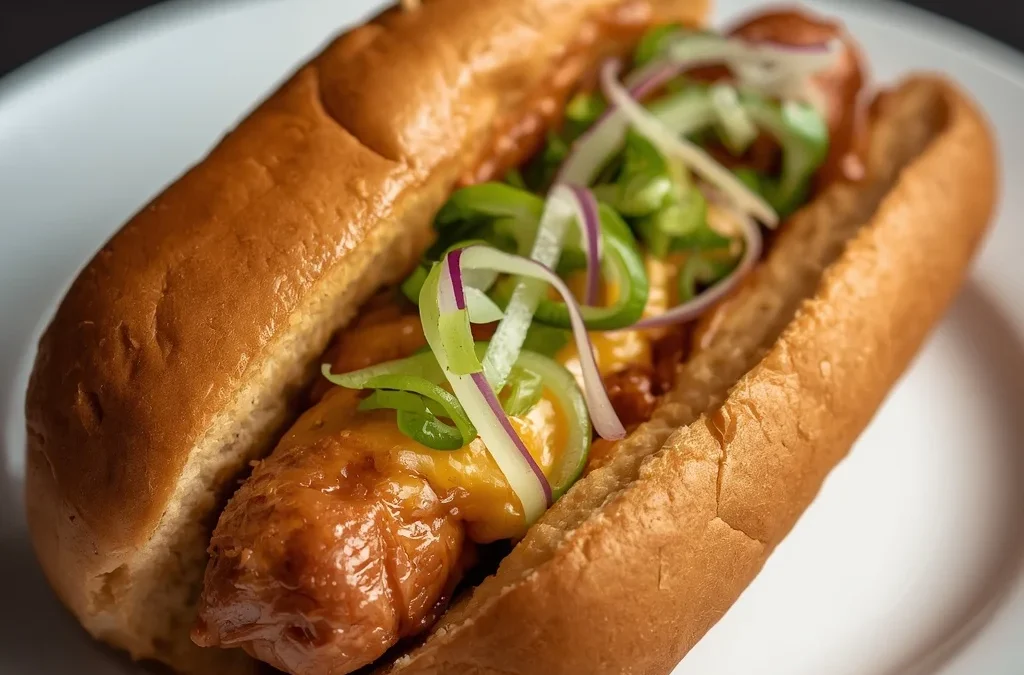
A New Orleans po’ boy is a traditional Louisiana sandwich built on a specific style of wide French bread that features a thin, crispy crust and an airy, light interior. The defining element of this classic meal is its generous filling, which most commonly consists of cornmeal-crusted fried shrimp, fried oysters, crispy catfish, or slow-cooked roast beef slathered in rich gravy. When ordered dressed in local eateries, the sandwich comes fully loaded with creamy remoulade sauce, shredded iceberg lettuce, ripe tomato slices, and tart dill pickles.
Ingredients
Scale
For the Shrimp
- 1 lb (450 g) large shrimp, peeled and deveined
- 1 cup buttermilk
- 1 cup cornmeal
- ½ cup all-purpose flour
- 1 teaspoon paprika
- 1 teaspoon Cajun seasoning
- ½ teaspoon garlic powder
- ½ teaspoon onion powder
- ½ teaspoon salt
- ¼ teaspoon black pepper
- Vegetable oil, for frying
For the Remoulade Sauce
- ½ cup mayonnaise
- 1 tablespoon Dijon mustard
- 1 tablespoon hot sauce
- 1 tablespoon pickle relish
- 1 teaspoon lemon juice
- ½ teaspoon Cajun seasoning
- ¼ teaspoon garlic powder
For Assembly
- 4 crusty French rolls or po’ boy loaves
- Shredded lettuce
- 1 large tomato, sliced
- Dill pickle slices
- Lemon wedges, for serving
Instructions
- Make the sauce: Mix mayonnaise, Dijon mustard, hot sauce, pickle relish, lemon juice, Cajun seasoning, and garlic powder. Refrigerate until ready to use.
- Season the shrimp: Place shrimp in a bowl with buttermilk and let them marinate for 10–15 minutes.
- Prepare the coating: In another bowl, combine cornmeal, flour, paprika, Cajun seasoning, garlic powder, onion powder, salt, and black pepper.
- Coat the shrimp: Remove shrimp from the buttermilk and toss thoroughly in the seasoned flour mixture.
- Fry: Heat about 1½ inches of vegetable oil to 350°F (175°C). Fry shrimp in batches for 2–3 minutes per side, until golden brown and cooked through. Drain on a paper towel-lined plate.
- Toast the bread: Lightly toast the French rolls until crisp on the outside but still soft inside.
- Assemble: Spread remoulade sauce generously over the bread. Add lettuce, tomato, pickles, and crispy shrimp.
- Serve: Finish with a squeeze of fresh lemon and serve immediately.
Notes
- Prep Time: 20 minutes
- Cook Time: 15 minutes
- Category: Sandwich
- Method: Deep-frying
- Cuisine: American
Nutrition
- Serving Size: 1 sandwich
- Calories: 680 kcal
