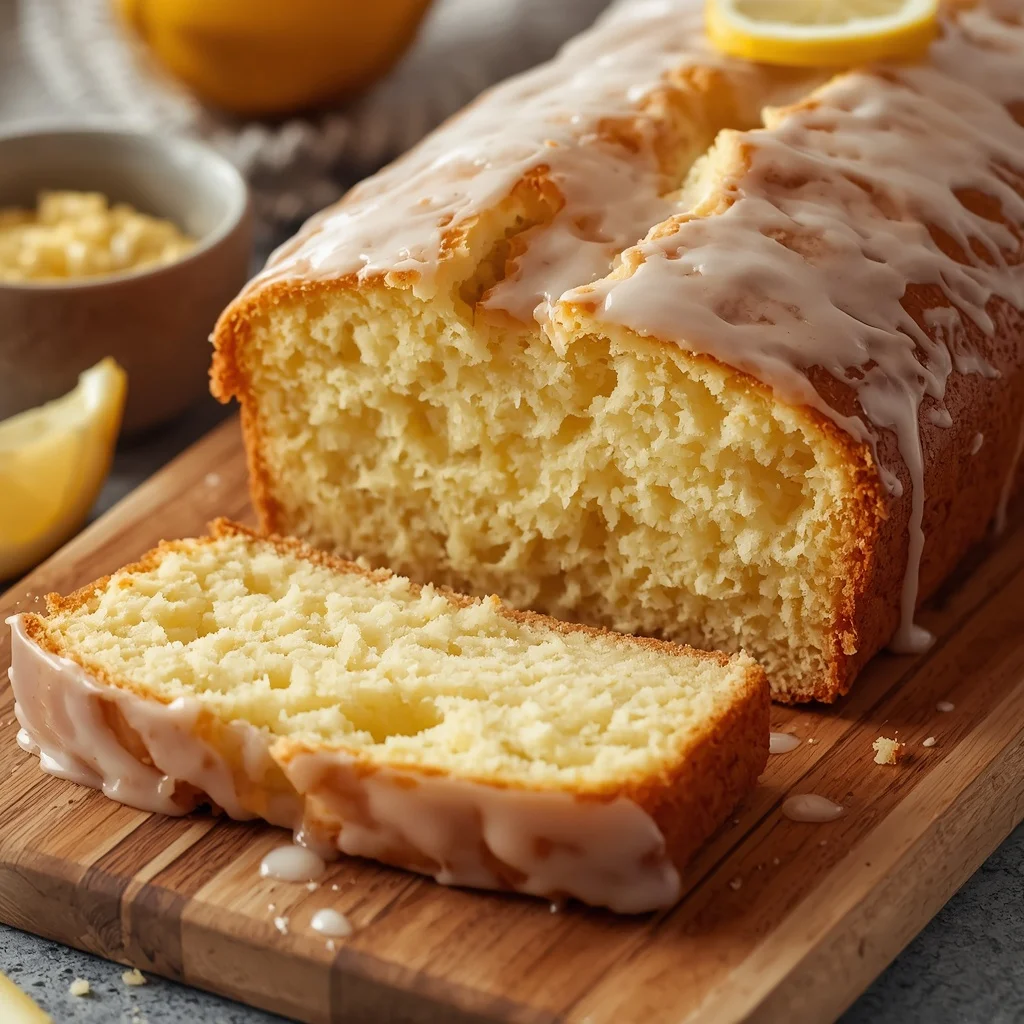
There is something deeply satisfying about a baking project that requires minimal effort but delivers a spectacular, bakery-quality reward. In the world of home baking, finding a dessert that balances a bright, zesty punch with a delicate floral undertone is rare, but a one-bowl lemon elderflower glazed loaf cake achieves exactly that harmony. This recipe is specifically designed for busy home cooks who crave a sophisticated sweet treat without the hassle of washing a sink full of bowls, mixers, and measuring tools. It is a brilliant combination of rustic simplicity and refined flavor, making it the perfect companion for an afternoon tea session, a weekend family brunch, or a light dessert following a celebratory dinner.
By mastering the preparation of a one-bowl lemon elderflower glazed loaf cake, you add a highly versatile and incredibly reliable dessert to your personal culinary collection. This cake boasts a beautifully tender crumb that stays exceptionally moist for days, thanks to a careful selection of fats and liquids that work together seamlessly. This extensive guide will explore the rich history behind these flavor combinations, provide a meticulous breakdown of every necessary ingredient, and offer clear instructions to ensure your baking endeavor is a total triumph.
What is This Zesty Citrus Treat?
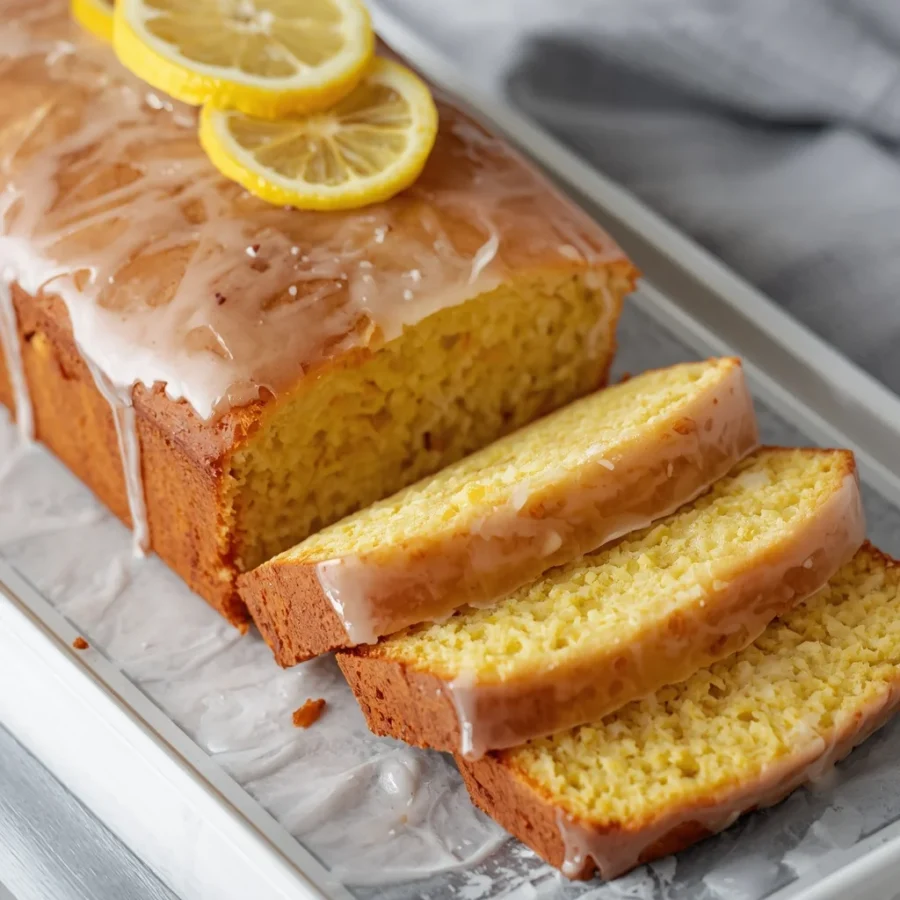
To understand the unique appeal of this dessert, it helps to examine how the structural components and flavor profiles interact with one another. This baked good is a classic quick bread style cake, which relies on chemical leaveners rather than yeast or whipped egg whites to achieve its signature rise. The cake batter is infused with a generous amount of fresh citrus zest and juice, creating a vibrant base that cuts through the natural sweetness of the sugar.
The true magic happens once the cake finishes baking and cools down completely. The entire surface is covered in a rich glaze made from powdered sugar, tart lemon juice, and aromatic elderflower syrup. When poured over the top, the glaze cascades down the sides of the loaf, creating a beautiful white coating that sets into a sweet shell. Every single slice offers a wonderful contrast between the moist cake and the crisp, sweet glaze.
The Romantic Origins of lemon elderflower loaf cake
While lemon cakes have been a staple of European and American baking traditions for generations, the addition of elderflower introduces an elegant, modern twist that elevates the entire experience. The elderflower is a delicate white blossom that grows on the elderberry bush across many temperate regions of Europe and Great Britain. For centuries, country cooks gathered these wild blossoms during the early weeks of summer to steep them into a concentrated sweet cordial, preserving the fleeting taste of the season for the winter months ahead.
The brilliant pairing of bright yellow citrus and sweet elderflower gained massive global fame after being chosen as the central flavor profile for a high-profile British royal wedding cake. This event inspired bakers around the world to experiment with the combination of tart fruit and sweet floral syrup. By integrating these notes into a simplified quick bread format, you can enjoy a one-bowl lemon elderflower glazed loaf cake that feels incredibly regal and sophisticated, yet fits perfectly into a casual baking routine.
Full Ingredient List with Detailed Quantities
Achieving a perfectly moist quick bread with a balanced crumb requires using high-quality ingredients measured with great care. Here is exactly what you need to gather before beginning the mixing process.
For the Moist Loaf Batter
-
Two cups of premium unbleached all-purpose flour, aerated with a whisk before measuring
-
Two teaspoons of baking powder to ensure an even, beautiful rise
-
One half teaspoon of fine sea salt to balance the sugary elements
-
One cup of fine white granulated sugar
-
Two large chicken eggs, brought fully to room temperature
-
One half cup of high-quality neutral vegetable oil
-
One half cup of fresh full-fat whole milk
-
Two tablespoons of freshly squeezed lemon juice
-
The finely grated zest of two large organic lemons
-
One teaspoon of pure Madagascar vanilla extract
For the Fragrant Floral Coating
-
One cup of finely sifted confectioners powdered sugar
-
Two tablespoons of concentrated sweet elderflower cordial syrup
-
One to two teaspoons of fresh lemon juice, added gradually to reach the right consistency
Optional Elegant Garnishes
-
A few paper-thin fresh lemon slices
-
A pinch of freshly grated citrus zest
-
A scattering of pesticide-free edible flowers
Step-by-Step Direction and Preparation Method: lemon elderflower loaf cake
Creating this beautiful loaf requires a gentle hand and precise timing. By utilizing a single mixing bowl, you streamline the cleanup process while maintaining absolute control over the texture of the finished cake.
Phase One: Setting Up the Workstation
Before you begin measuring your ingredients, it is essential to prepare your kitchen environment. Start by preheating your main oven to a steady temperature of three hundred and fifty degrees Fahrenheit.
Select a standard nine by five inch metal loaf pan, which provides the ideal heat conduction for a quick bread. Take a small piece of unsalted butter or a quick spray of oil and grease the entire interior surface of the pan. Line the bottom and the two long sides of the pan with a sheet of quality baking parchment paper, leaving a couple of inches of overhang on the sides. This clever parchment sling allows you to lift the delicate baked cake out of the hot pan later without any risk of sticking or breaking.
Phase Two: Blending the All-In-One Batter
Take a large glass mixing bowl and add your dry ingredients first. Whisk together the two cups of all-purpose flour, two teaspoons of baking powder, one half teaspoon of fine sea salt, and one cup of white granulated sugar. Ensure these dry elements are completely combined and free of any large clumps.
Create a shallow well right in the center of the dry flour mixture. Crack the two large room-temperature eggs directly into the well. Pour in the one half cup of neutral vegetable oil, the one half cup of whole milk, the two tablespoons of fresh lemon juice, the fragrant grated zest of the two lemons, and the one teaspoon of pure vanilla extract. Using liquid oil instead of traditional creamed butter is the secret to creating an exceptionally moist cake that never tastes dry, even days after baking.
Take a large wire balloon whisk and begin stirring the ingredients together, starting in the center well and slowly working your way outward to incorporate the dry flour from the edges. Whisk the mixture just until a smooth, thick batter forms and no dry streaks of white flour remain visible. You must be careful not to overmix the batter at this point; stop stirring the moment the ingredients come together, as overworking quick bread dough can develop the gluten strands, resulting in a dense and heavy loaf rather than a light and fluffy crumb.
Phase Three: Baking and Testing the Loaf
Using a flexible silicone spatula, scrape the fresh batter out of your mixing bowl and pour it into the prepared parchment-lined loaf pan. Use the back of a spoon to smooth out the surface so the batter is distributed evenly into the corners of the pan.
Slide the loaf pan onto the middle rack of your preheated oven. Bake the cake undisturbed for approximately forty-five to fifty-five minutes. As the cake bakes, your kitchen will fill with an incredible fragrance of warm vanilla and bright citrus.
When the baking time nears its end, perform a quick test by inserting a clean wooden toothpick or a metal skewer directly into the center of the loaf. If the toothpick comes out completely clean or with a few moist crumbs attached, the cake is fully baked. If you notice wet batter on the stick, slide the pan back into the oven for an additional five minutes. Remove the pan from the oven and let the loaf rest inside the hot metal container for exactly ten minutes before using the parchment paper handles to lift it gently onto a wire rack to cool down completely to room temperature.
Phase Four: Whisking and Applying the Floral Shell
Never attempt to apply a sugar glaze to a hot or warm cake, as the heat will cause the sugar crystals to melt instantly, turning the beautiful white coating into a transparent, watery liquid that soaks into the bread. Wait until the loaf is completely cool to the touch before beginning this final phase.
In a clean small mixing bowl, combine the one cup of sifted powdered sugar with the two tablespoons of sweet elderflower cordial syrup. Whisk the mixture thoroughly until a thick paste forms. Add one to two teaspoons of fresh lemon juice, a few drops at a time, whisking continuously until the mixture transforms into a smooth, glossy glaze that flows slowly off the end of your whisk like warm honey.
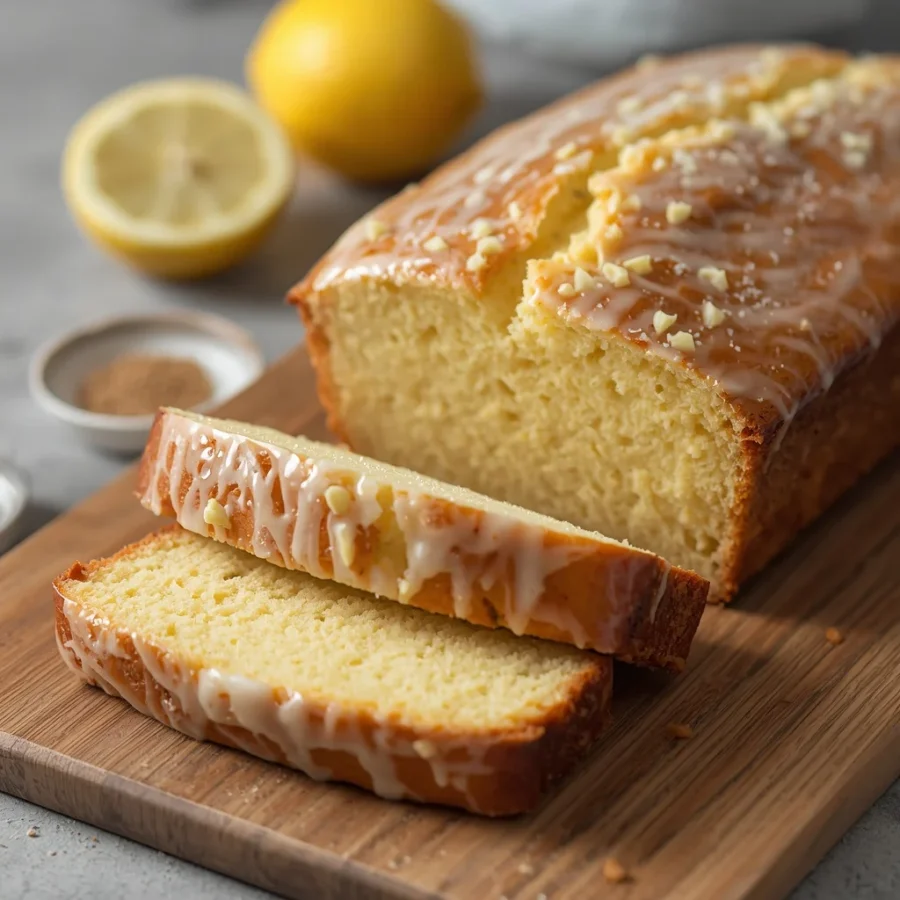
Place a sheet of parchment paper underneath your cooling rack to catch any accidental drips. Pour the glaze directly over the top ridge of the cooled loaf cake, allowing it to move naturally across the surface and drizzle decoratively down the long sides. While the glaze is still damp, arrange your thin lemon slices, extra citrus zest, or fresh edible blossoms across the top to create a stunning presentation. Let the glazed cake sit undisturbed for roughly fifteen minutes to allow the sugar shell to set firmly before slicing.
Creative Recipe Variations to Try: lemon elderflower loaf cake
Once you have mastered this foundational recipe, you can adapt the flavors to celebrate different seasonal ingredients or personal preferences.
The Berry Burst Addition
Introduce a lovely pop of color and juicy tartness by folding one cup of fresh, dry blueberries or raspberries directly into the cake batter right before pouring it into the loaf pan. Toss the fresh berries in a single teaspoon of extra flour before adding them to ensure they stay suspended in the dough during baking rather than sinking to the bottom of the pan.
The Lavender and Lime Alternative
For a completely different floral and citrus profile, swap out the lemons for fresh limes and replace the elderflower cordial with a high-quality homemade lavender simple syrup. This creates a remarkably sophisticated dessert with an intriguing herbal undertone that works beautifully for spring gatherings.
The Rich Yogurt Substitution
If you want to add an extra layer of tangy moisture to the cake crumb, replace the one half cup of whole milk with an equal quantity of full-fat plain Greek yogurt or rich sour cream. This simple modification creates a slightly denser texture reminiscent of a traditional European pound cake.
Helpful Frequently Asked Questions: lemon elderflower loaf cake
Where can I purchase elderflower cordial syrup?
Elderflower cordial is widely available in the specialty beverage or international aisle of most major grocery stores. Look for it near the gourmet cocktail mixers, coffee syrups, or imported British goods. You can also easily purchase it through online boutique food retailers.
How should I store the leftover glazed cake?
To preserve the moisture of the crumb, store any leftover slices in an airtight container at room temperature for up to three days. If your kitchen is exceptionally warm and humid, you can place the container in the refrigerator instead, though you should bring the slices back to room temperature before serving to restore the soft texture of the fat.
Can I freeze lemon elderflower loaf cake for later use?
Yes, this loaf cake freezes beautifully. For the best results, bake the cake and allow it to cool completely, but do not apply the sweet glaze. Wrap the unglazed loaf tightly in two layers of plastic wrap and a sheet of aluminum foil, then freeze for up to two months. Thaw the loaf at room temperature overnight, then mix and apply a fresh glaze right before serving.
Why did my loaf cake develop a large crack down the middle?
A central crack is a perfectly natural and highly desirable characteristic of quick bread loaf cakes. As the exterior of the batter sets in the hot oven, the interior continues to expand and rise, pushing upward through the weakest point on the surface. This creates the classic rustic appearance that defines a traditional homemade loaf.
Conclusion: lemon elderflower loaf cake
Baking a beautiful one-bowl lemon elderflower glazed loaf cake proves that sophisticated, memorable desserts do not require complicated kitchen tools or long hours of cleanup. By utilizing a single mixing bowl to combine fresh citrus zest with a moist oil-based batter, you guarantee an incredibly tender result with absolute simplicity. The final addition of a sweet, fragrant elderflower glaze elevates a humble quick bread into a stunning centerpiece that captures the romantic essence of summer blossoms and bright sunshine. Whether you are slicing a piece to enjoy with a quiet morning cup of coffee or presenting the decorated loaf to guests at a formal brunch, this reliable recipe provides an exceptional balance of bright flavor and elegant presentation that easily outperforms complex bakery confections.
Print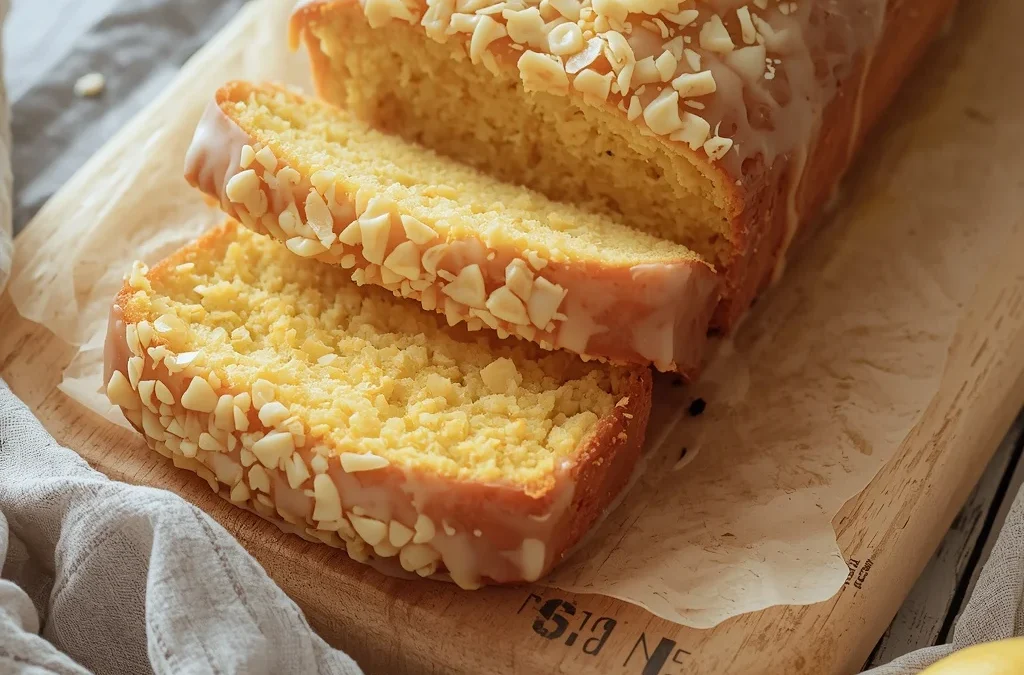
One-Bowl Lemon Elderflower Glazed Loaf Cake
- Total Time: 1 hour 5 minutes
- Yield: 10 slices 1x
- Diet: Vegetarian
Description
To understand the unique appeal of this dessert, it helps to examine how the structural components and flavor profiles interact with one another. This baked good is a classic quick bread style cake, which relies on chemical leaveners rather than yeast or whipped egg whites to achieve its signature rise. The cake batter is infused with a generous amount of fresh citrus zest and juice, creating a vibrant base that cuts through the natural sweetness of the sugar.
Ingredients
For the Cake
- 2 cups (250 g) all-purpose flour
- 2 tsp baking powder
- ½ tsp salt
- 1 cup (200 g) granulated sugar
- 2 large eggs
- ½ cup (120 ml) vegetable oil
- ½ cup (120 ml) whole milk
- 2 tbsp fresh lemon juice
- Zest of 2 lemons
- 1 tsp vanilla extract
For the Elderflower Glaze
- 1 cup (120 g) powdered sugar
- 2 tbsp elderflower cordial
- 1–2 tsp fresh lemon juice (as needed)
Optional Garnish
- Thin lemon slices
- Lemon zest
- Edible flowers
Instructions
Preheat the oven to 350°F (175°C). Grease and line a 9 × 5-inch loaf pan with parchment paper.
In a large mixing bowl, whisk together the flour, baking powder, salt, and sugar.
Add the eggs, vegetable oil, milk, lemon juice, lemon zest, and vanilla extract. Whisk until the batter is smooth and no dry streaks remain. Avoid overmixing.
Pour the batter into the prepared loaf pan and smooth the top.
Bake for 45–55 minutes, or until a toothpick inserted into the center comes out clean.
Allow the cake to cool in the pan for 10 minutes, then transfer it to a wire rack to cool completely.
In a small bowl, whisk together the powdered sugar, elderflower cordial, and enough lemon juice to create a smooth, pourable glaze.
Once the cake has cooled completely, drizzle the glaze evenly over the top. Let it set for about 15 minutes before slicing.
Notes
- Prep Time: 15 minutes
- Cook Time: 50 minutes
- Category: Dessert
- Method: Baked
- Cuisine: British-Inspired
Nutrition
- Serving Size: 1 slice
- Calories: 290 kcal
Keywords: citrus floral quick bread, easy lemon loaf recipe, glazed elderflower cake
