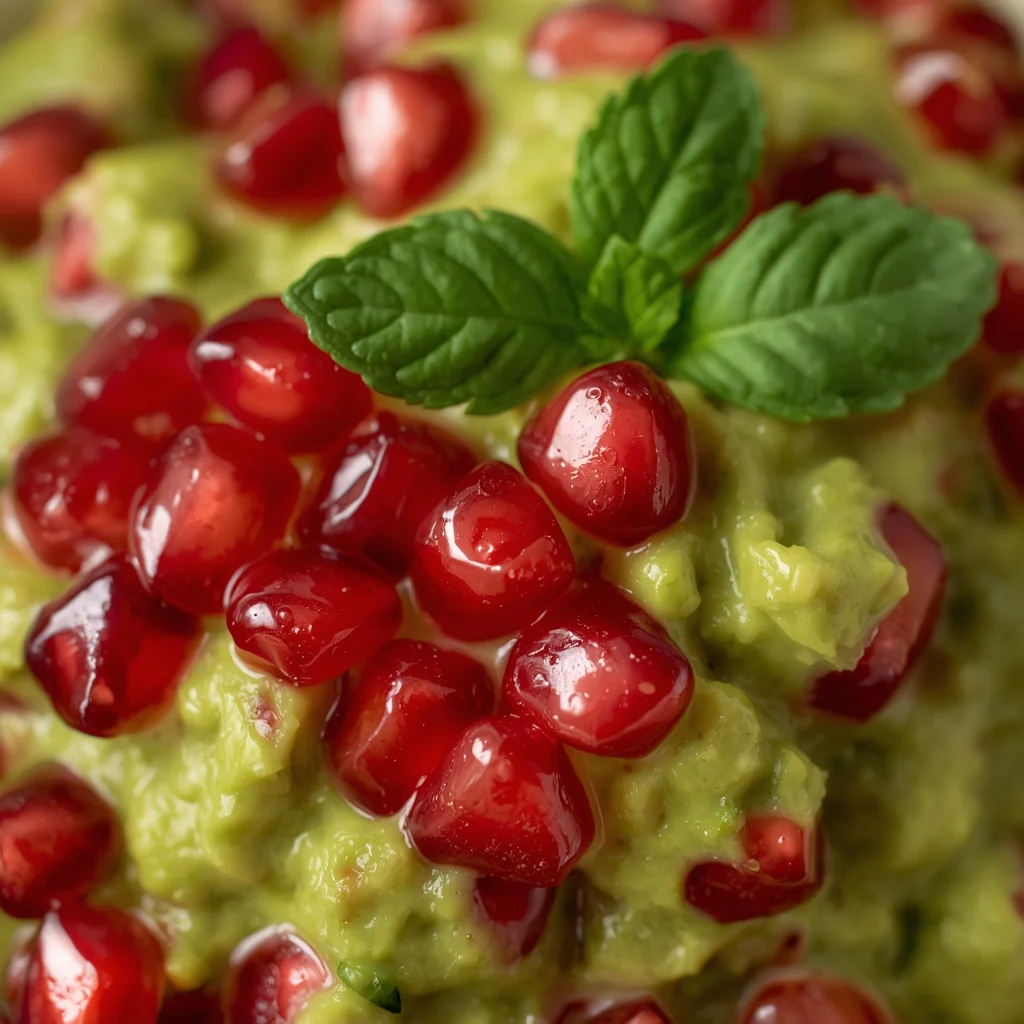
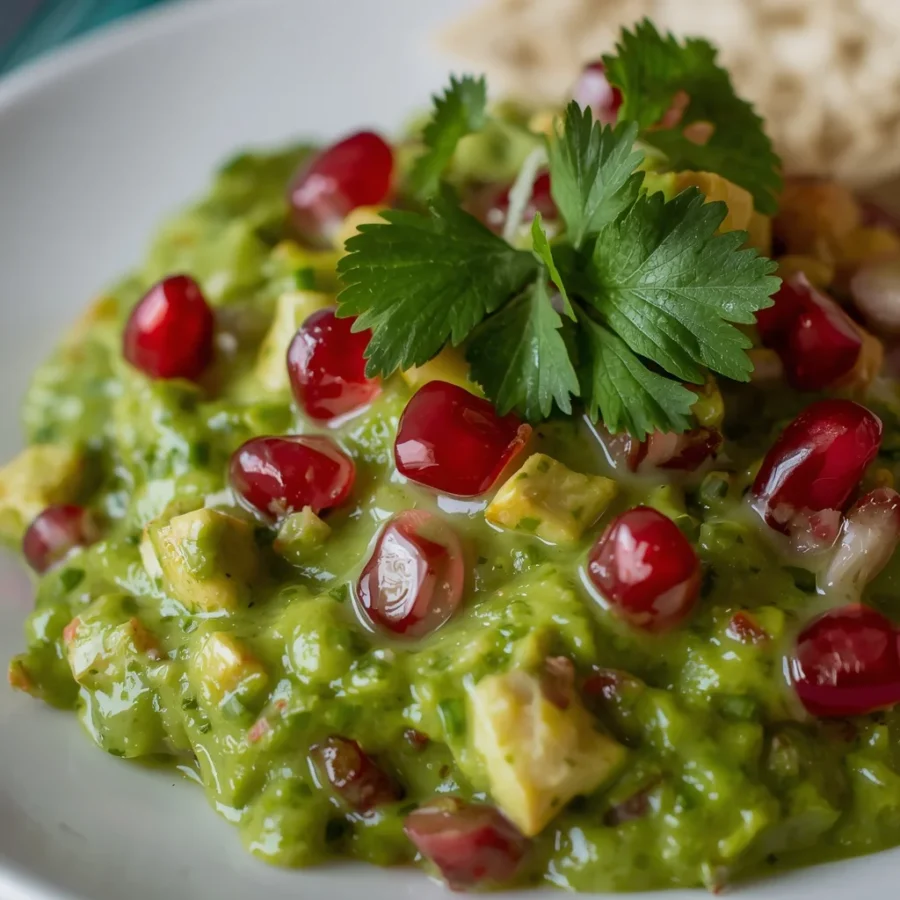
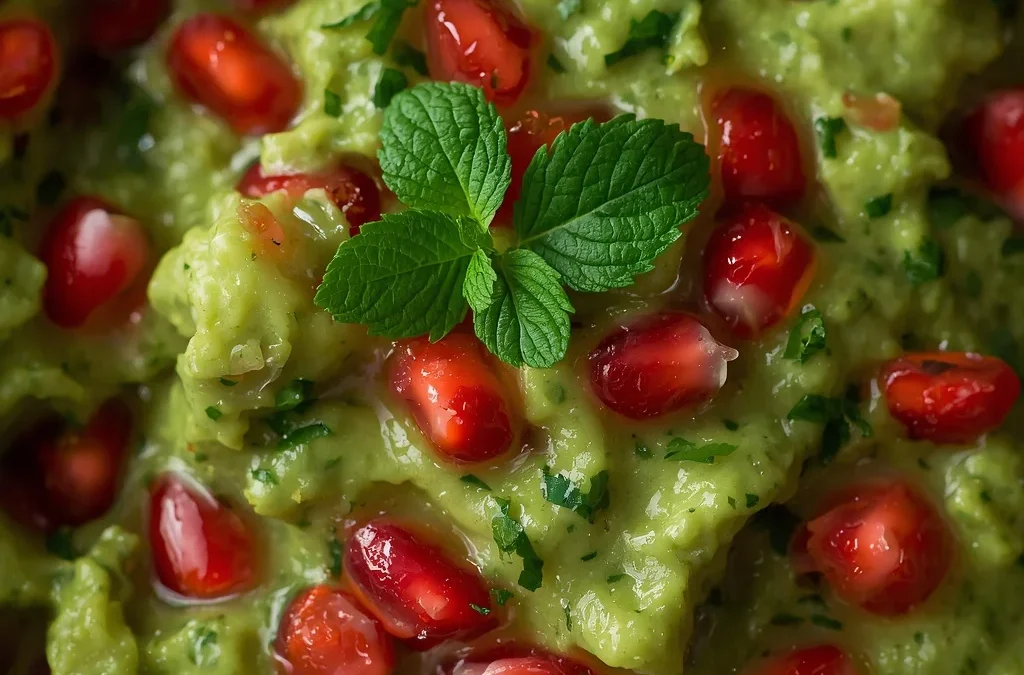
If you are looking to elevate your appetizer table with a fresh, vibrant, and delicious dip, this pomegranate guacamole recipe is guaranteed to become your new favorite. Guacamole has long been a staple party dip, loved for its creamy texture and rich flavor. However, adding juicy, ruby-red pomegranate arils transforms a traditional avocado spread into something truly spectacular. The combination of rich, buttery avocado with the explosive, sweet-tart pop of pomegranate seeds creates an unforgettable contrast of flavor and texture that will keep everyone coming back for more.
In this
complete guide, you will discover everything you need to know about making a fresh
pomegranate guacamole recipe right in your own kitchen. We will cover the vibrant history and origin of guacamole, break down all the ingredients with exact non-decimal measurements, walk step-by-step through the preparation process, explore creative recipe variations, and answer the most common questions home cooks ask about making fruit-infused guacamole.
What Is This Pomegranate Guacamole Recipe?
At its core, a pomegranate guacamole recipe takes the iconic Mexican avocado mash and enhances it with fresh, seasonal fruit. Classic guacamole relies on a harmonious balance of creamy mashed avocado, tangy lime juice, spicy green chili, sharp red onion, savory salt, and fresh coriander. While this classic combination is already incredible, adding pomegranate seeds introduces a completely new dimension of taste and visual appeal.
The pomegranate seeds do not just act as an attractive garnish; they serve a crucial culinary purpose. Their natural acidity cuts through the heavy, rich fats of the avocado, balancing every bite with a burst of refreshment. Furthermore, the firm texture of the seeds provides a satisfying crunch that contrasts brilliantly with the smooth, velvety consistency of mashed avocado. Whether you are hosting a festive holiday gathering, preparing a game day snack spread, or simply looking to upgrade your weekday lunch, this dip offers a unique fusion of Mediterranean and Mexican flavor profiles that appeals to all ages.
Origin of That Recipe
To fully appreciate this creative twist, it helps to understand the fascinating history behind both main ingredients and how they came together in modern culinary fusion.
The History of Guacamole
Guacamole originates in Central America, where the ancient Aztecs first harvested and mashed avocados centuries ago. The original name stems from the Nahuatl word ahuacamolli, which translates roughly to avocado sauce or avocado mixture. Avocados were prized by indigenous populations for their high healthy fat content, creamy texture, and nutritional density.
When Spanish explorers arrived in the Americas during the sixteenth century, they fell in love with the native dish. They added their own traditional ingredients to the mix, including fresh lime juice, onions, and coriander. Over time, this traditional combination spread throughout North America and eventually across the world, establishing itself as an absolute cornerstone of Mexican cuisine.
The Rise of Fruit in Guacamole
While classic guacamole remains timeless, contemporary chefs and home cooks continuously experiment with fruit additions. Modern Mexican and fusion kitchens began incorporating seasonal fruits like mango, pineapple, strawberries, and pomegranates into savory salsa and guacamole dishes. Pomegranates, which are native to the region extending from modern-day Iran to northern India, were brought to Mexico by Spanish missionaries in the sixteenth century.
In regions such as Puebla, Mexico, pomegranates became integrated into iconic celebratory dishes like chiles en nogada. Eventually, cooks realized that the sweet-tart nature of pomegranate seeds paired seamlessly with creamy avocados. Today, a pomegranate guacamole recipe is especially popular during autumn, winter, and festive holiday seasons when fresh pomegranates reach their peak sweetness and juice level.
Ingredients with Quantity
To make the ultimate version of this dip, you will need fresh, high-quality ingredients. Avoid using artificial flavorings, pre-packaged lime juice, or preserved fruits. Freshness is the secret behind a standout guacamole. Below is the list of ingredients measured out using full words and whole proportions without confusing decimals or numerical fractions.
-
Two large ripe avocados – Ensure they yield slightly to gentle pressure so they mash smoothly.
-
One half cup of fresh pomegranate seeds – Juicy arils that provide a sweet and tart crunch.
-
One quarter cup of finely chopped red onion – Adds a mild sharpness and lovely color.
-
Two tablespoons of fresh lime juice – Brightens the flavor and prevents avocado browning.
-
Two tablespoons of chopped fresh coriander – Brings an herbal, vibrant garden note.
-
One small green chili, finely chopped – Optional ingredient for a subtle spicy kick.
-
One quarter teaspoon of fine salt – Essential for lifting all the individual flavors.
-
One quarter teaspoon of freshly ground black pepper – Provides mild warmth.
-
One small tomato, deseeded and diced – Optional addition for extra color and freshness.
Step by Step Direction and Preparation Method: pomegranate guacamole recipe
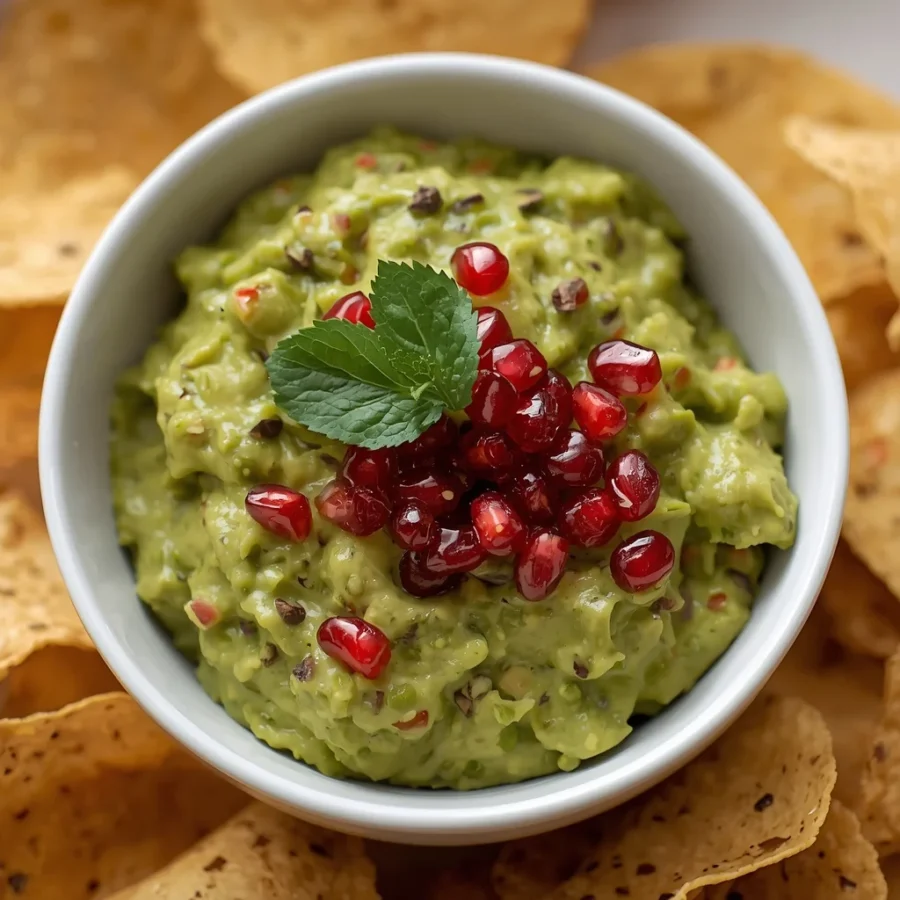
Preparing this dish requires no actual cooking, making it an ideal choice when you need a fast yet impressive appetizer. Follow these easy steps to craft the perfect batch every single time.
Step One: Prep and Mash the Avocados
Start by placing your ripe avocados on a clean cutting board. Slice each avocado lengthwise around the center pit. Carefully twist the two halves apart to open the fruit. Gently tap the pit with your knife edge to extract it, or slice the avocado into quarters to easily peel off the skin and remove the center seed.
Scoop the rich green avocado flesh directly into a medium ceramic or glass mixing bowl using a large spoon. Using a sturdy metal fork or a traditional potato masher, mash the avocado flesh until it reaches your desired consistency. For the best homemade texture, keep the mash slightly chunky rather than completely smooth. A little bit of texture gives guacamole a rustic, authentic feel.
Step Two: Incorporate the Seasonings and Vegetables
Once your avocados are mashed to perfection, immediately pour two tablespoons of fresh lime juice directly over the avocado mixture. The natural citric acid in the lime juice will instantly brighten the color of the avocado and slow down the natural oxidation process that causes browning.
Next, add one quarter cup of finely chopped red onion, two tablespoons of chopped fresh coriander, and one small finely chopped green chili if you prefer a touch of spiciness. Sprinkle one quarter teaspoon of salt and one quarter teaspoon of freshly ground black pepper over the top. If you enjoy tomatoes in your dip, gently fold in one small deseeded and diced tomato at this stage. Stir all the contents together with a wooden spoon or spatula until thoroughly mixed.
Step Three: Fold in the Pomegranate Arils
Take one half cup of fresh pomegranate seeds and divide them into two unequal portions. Take roughly three quarters of the pomegranate seeds and add them to the avocado mixture.
Using a rubber spatula, gently fold the pomegranate seeds into the guacamole mixture. Take extra care during this step so you do not crush or bruise the fragile seed arils. You want the seeds to remain entirely intact so that when someone takes a bite, the arils release their sweet juice directly against the rich avocado base.
Step Four: Garnish and Serve Immediately
Scoop the prepared guacamole into a nice serving bowl. Take the remaining quarter cup of reserved pomegranate seeds and sprinkle them evenly across the surface of the dip. You can also garnish with a few fresh coriander leaves or a light pinch of extra black pepper for an elegant final presentation.
Give the guacamole a quick taste testing before setting it out for guests. If necessary, adjust the flavor by squeezing in a few extra drops of lime juice or adding a tiny pinch of extra salt. Serve immediately alongside your favorite dipping chips or toasted bread options.
Variations of Pomegranate Guacamole
One of the best aspects of learning a basic pomegranate guacamole recipe is how easily you can customize it to fit your personal taste preferences or dietary needs. Here are several creative ways to twist this recipe:
Smoky and Spicy Variation
If you enjoy deep, smoky flavors with a higher heat level, swap the small green chili for one finely chopped chipotle pepper in adonis sauce. You can also add a pinch of smoked paprika alongside the ground black pepper. The smoky heat pairs miraculously well with the sweet burst of pomegranate seeds.
Goat Cheese or Feta Fusion
For an extra creamy, tangy twist, crumble two tablespoons of fresh goat cheese or salty feta cheese over the top of your finished guacamole along with the reserved pomegranate seeds. The saltiness of the cheese creates a wonderful contrast with both the rich avocado and the sweet fruit.
Toasted Seed and Nut Crunch
Enhance the textural experience by adding two tablespoons of toasted pepitas, which are unsalted pumpkin seeds, or roasted pine nuts. Stirring these into the avocado mix alongside the pomegranate seeds creates a crunchy, nutty element that makes the appetizer feel very sophisticated.
Tropical Fruit Blend
During warmer summer months, combine the pomegranate seeds with equal parts finely diced fresh mango or pineapple. The tropical sweetness of mango mixed with the tartness of pomegranate arils creates a colorful, tropical dip that pairs beautifully with seafood dishes.
How to Select and Store Ingredients: pomegranate guacamole recipe
Getting the absolute best flavor out of your pomegranate guacamole recipe relies heavily on picking prime produce and storing leftovers properly.
Selecting Ripe Avocados
When shopping for avocados, look for ones that have dark green to dark brown skins with a slightly pebbled texture. Place the avocado in the palm of your hand and squeeze gently. It should yield slightly to soft pressure without feeling mushy or hollow underneath the skin. If the avocado feels completely firm, it will need two to three days at room temperature to ripen before it is ready to use.
Extracting Pomegranate Seeds Easily
Deseding a fresh pomegranate can sometimes feel messy, but using the correct technique makes it simple. Slice the top crown off the pomegranate, then score four or five vertical shallow cuts along the outer skin from top to bottom. Submerge the pomegranate in a large bowl filled with cool water, and gently break the fruit apart along the scored lines. Pull the seeds away from the white pith underwater. The juicy seeds will sink to the bottom of the bowl while the bitter white pith floats to the top, allowing you to strain clean arils effortlessly.
Storing Leftover Guacamole
Avocados naturally turn brown when exposed to air due to enzymatic oxidation. To store leftover guacamole, place it into a airtight storage container. Pack the guacamole down firmly with a spoon so there are no air pockets. Pour a paper-thin layer of lukewarm water or extra lime juice over the top surface to seal out air completely. Cover tightly with a lid and store in the refrigerator for up to two days. When you are ready to eat again, simply pour off the liquid layer, stir well, and enjoy.
Frequently Asked Questions: pomegranate guacamole recipe
Can I make this pomegranate guacamole recipe ahead of time?
It is best enjoyed fresh, but you can prepare it up to eight hours in advance. To keep it vibrant green, add extra lime juice over the top, press plastic wrap directly onto the surface of the guacamole so no air touches it, and store it tightly sealed in the refrigerator. Wait to add the final pomegranate garnish until right before serving.
How do I stop the guacamole from turning brown?
The key to preventing browning is minimizing oxygen exposure and maintaining acidity. Fresh lime juice contains natural antioxidants that slow down oxidation. Additionally, packing the guacamole tightly into a container and covering the surface directly with plastic wrap or a thin layer of water seals out oxygen effectively.
What if my pomegranates are out of season?
If fresh whole pomegranates are unavailable in your local market, look in the refrigerated produce section for pre-packaged fresh pomegranate arils. Avoid using dried pomegranate seeds or frozen varieties, as frozen seeds lose their crisp texture when thawed and become watery inside the dip.
What are the best foods to serve with this dish?
This dip pairs extraordinarily well with traditional salted tortilla chips, crisp plantain chips, or pita chips. You can also use it as a flavorful spread on grilled sourdough toast, inside breakfast burritos, or as a fresh topping for grilled chicken tacos, seared fish, and roasted vegetable bowls.
Conclusion: pomegranate guacamole recipe
Mastering a fresh, vibrant
pomegranate guacamole recipe is one of the easiest ways to bring excitement to your table. By combining rich, velvety avocados with aromatic coriander, sharp onion, citrus juice, and the sweet-tart crunch of fresh pomegranate arils, you create a harmonious balance of flavors that easily surpasses standard dips. Whether you are hosting a holiday party or simply treating yourself to a
nutritious snack, this colorful variation offers an unforgettable culinary experience that requires minimal effort and no cooking at all. Gather your fresh ingredients, follow these simple steps, and enjoy this delicious twist on a timeless Mexican classic today.