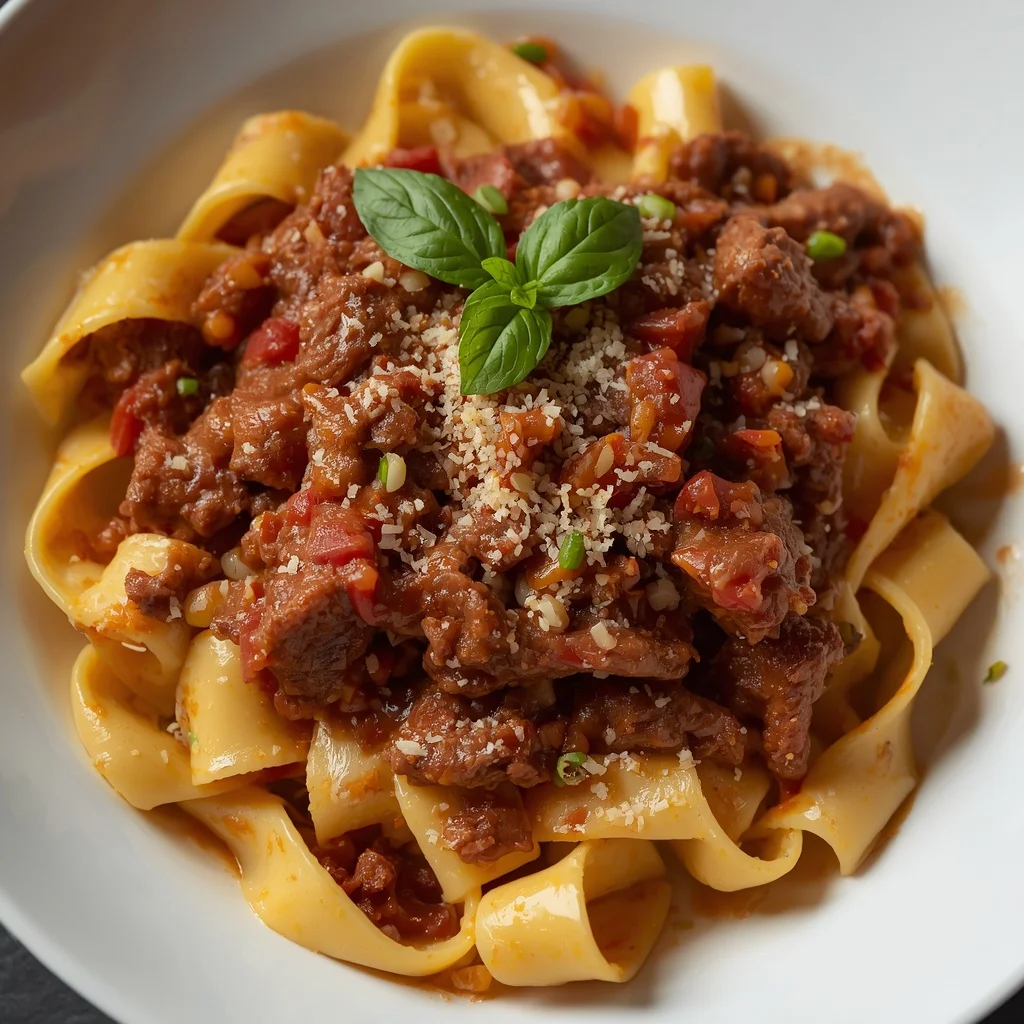
There is something deeply comforting about walking into a kitchen filled with the rich, savory aroma of a dinner that has been simmering for hours. If you are looking for the ultimate comfort food to elevate your weekend dinner or impress your guests, this authentic recipe is exactly what you need. This exquisite slow-cooked beef ragu with silky pappardelle combines tender, melt-in-your-mouth shredded beef with a deeply flavorful tomato and red wine sauce, creating a restaurant-quality meal right in your own home. By letting the ingredients meld together over several hours, you create a complex flavor profile that far surpasses anything you could buy in a jar. Let us dive into everything you need to know to master this classic Italian-inspired masterpiece.
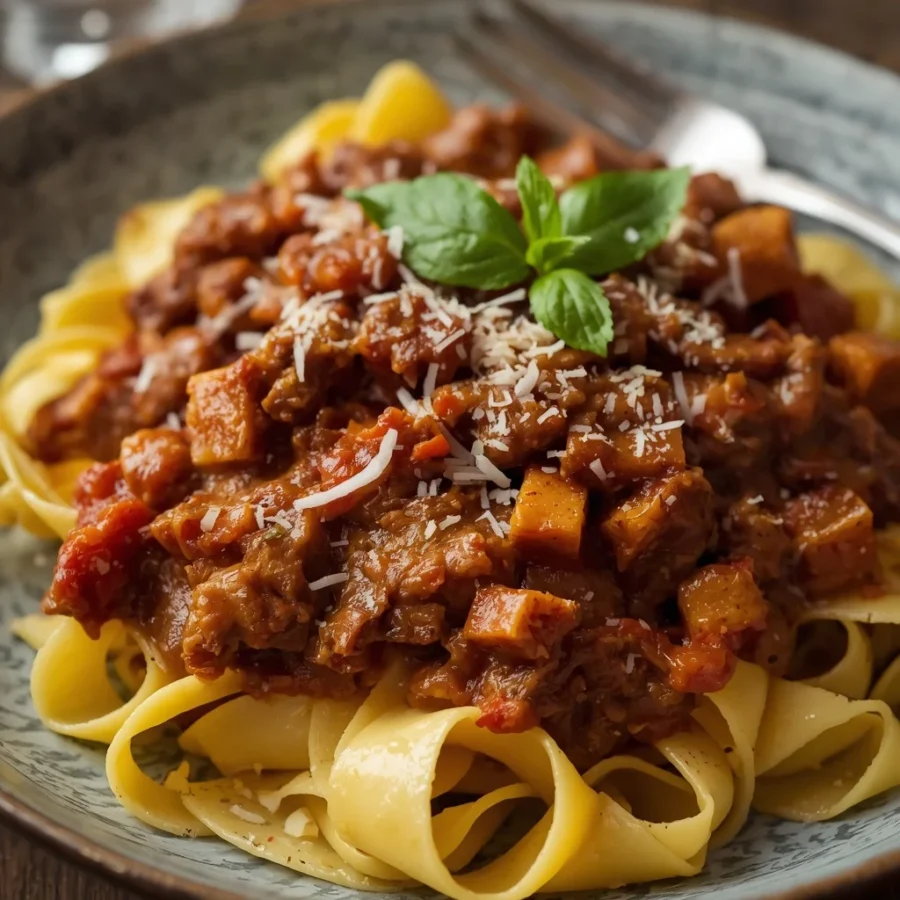
What is Slow-Cooked Beef Ragu with Silky Pappardelle?
To understand why this dish is so incredibly special, it helps to break down exactly what it is. A ragu is a meat-based sauce that is traditionally cooked over a long period over low heat. Unlike a standard bolognese, which typically utilizes ground meat, this premium version utilizes large cuts of beef that break down into delicate, tender shreds during the extended cooking process.
The sauce itself becomes exceptionally thick, rich, and velvety because the collagen from the beef melts directly into the tomato and red wine base. When you pair this robust sauce with wide, flat ribbons of egg pasta, you get the iconic combination known around the world as slow-cooked beef ragu with silky pappardelle. The substantial surface area of the wide noodles is uniquely designed by culinary tradition to catch and hold onto every single bit of the shredded meat and luxurious sauce, ensuring that every bite is perfectly balanced.
Origin of This Iconic Italian Comfort Dish
The roots of ragu can be traced back to the historic culinary regions of Italy, particularly Emilia-Romagna and Campania. Originally inspired by French stews, Italian cooks adapted the technique to create rich meat sauces designed to accompany their legendary homemade pastas. Each region developed its own variation, utilizing local meats, wines, and aromatic vegetables.
While classic Bolognese became famous for using ground meat and milk, northern and central Italian home cooks frequently turned to tougher cuts of beef, wild boar, or hare, simmering them whole for hours until they fell apart. Pappardelle pasta, characterized by its broad width, originates from Tuscany. The word itself comes from the Italian verb pappare, which joyfully translates to “to gobble up.” Combining these two regional elements created a timeless comfort dish that has transitioned from humble Italian countryside kitchens to upscale restaurants globally.
Ingredients and Exact Quantities: slow-cooked beef ragu with silky pappardelle
Creating an exceptional meal requires sourcing quality components. Here is your shopping list with the precise amounts needed to serve six hungry guests.
For the Rich Meat Sauce Base
-
Two pounds of beef chuck roast, cut into large, substantial chunks
-
Two tablespoons of high-quality olive oil
-
Fine sea salt and freshly ground black pepper for seasoning
-
One large yellow onion, finely diced
-
Two medium carrots, finely diced
-
Two celery stalks, finely diced
-
Five garlic cloves, minced or finely grated
-
Two tablespoons of concentrated tomato paste
-
One cup of dry red wine, such as Cabernet Sauvignon or Chianti
-
One twenty-eight ounce can of crushed tomatoes
-
Two cups of rich beef stock
-
Two teaspoons of savory Worcestershire sauce, which is completely optional but highly recommended
-
Two whole bay leaves
-
Two sprigs of fresh rosemary
-
Three to four sprigs of fresh thyme
-
One teaspoon of fragrant dried oregano
-
A generous pinch of red pepper flakes for a subtle hint of warmth, which is optional
For Creating the Perfect Pasta Finish
-
One pound of high-quality dried or fresh pappardelle pasta
-
Two tablespoons of unsalted butter
-
One half cup of freshly grated Parmesan cheese, plus extra to serve at the table
-
A handful of chopped fresh parsley or aromatic basil for a bright garnish
Step-by-Step Direction and Preparation Method: slow-cooked beef ragu with silky pappardelle
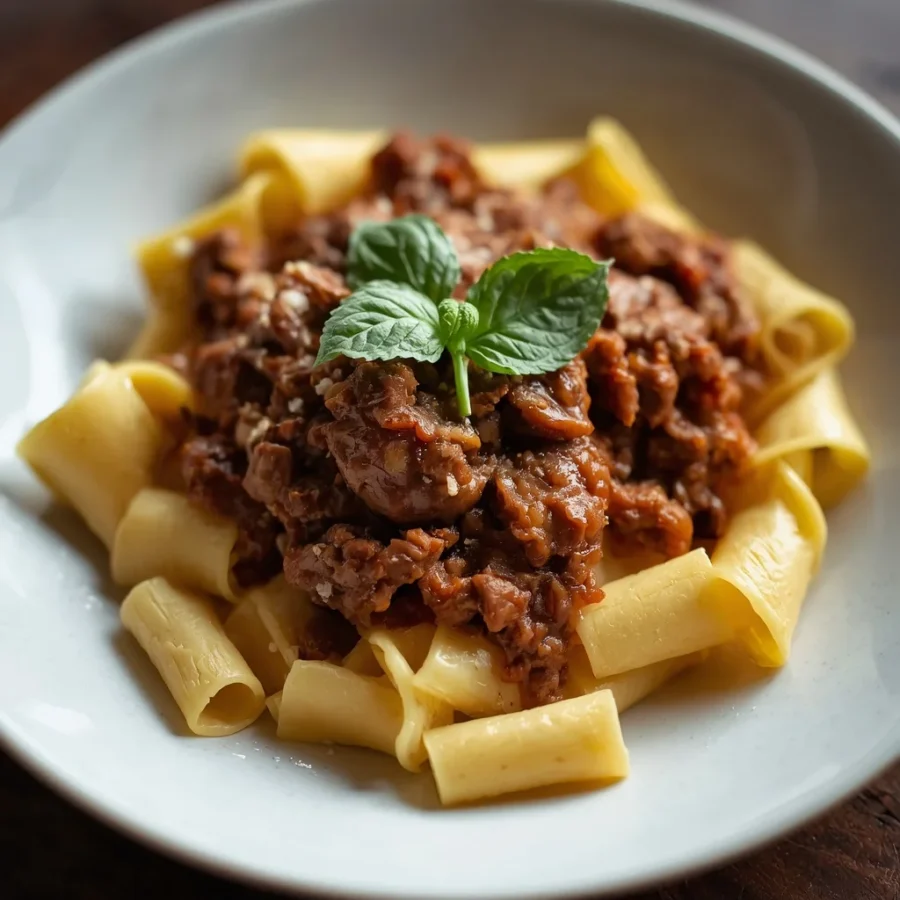
To achieve the best possible results, follow these detailed steps carefully. Patience is the secret ingredient that transforms these simple components into something truly magical.
Phase One: Searing the Meat to Build Deep Flavor
Start by using clean paper towels to thoroughly pat the large chunks of beef chuck roast completely dry. This step is crucial because excess moisture will cause the meat to steam instead of developing a beautiful crust. Season all sides of the beef generously with salt and freshly ground black pepper.
Place your heavy-bottomed Dutch oven or large pot over medium-high heat and pour in the two tablespoons of olive oil. Once the oil is shimmering but not smoking, carefully add the seasoned beef chunks to the pan. Do not crowd the pot; if necessary, work in batches to ensure every piece has enough space. Sear the meat undisturbed for three to four minutes per side until a deep, golden-brown crust forms everywhere. This browning process develops complex flavor compounds that will enrich your entire sauce. Once beautifully browned, transfer the beef to a clean plate and set it aside for a moment.
Phase Two: Creating the Fragrant Aromatic Base
Turn the heat under your pot down to medium. The bottom of your pan should be coated in flavorful beef fat and remaining oil. Toss in your finely diced onion, carrots, and celery. This classic trio of vegetables forms the foundational flavor base for the entire dish.
Cook the vegetables gently for eight to ten minutes, stirring occasionally with a wooden spoon. You want them to become completely soft, translucent, and slightly sweet, taking care not to let them burn. Once the vegetables are beautifully tender, stir in the minced garlic and cook for just sixty seconds until you can smell its incredible aroma. Next, clear a small space in the center of the pan and drop in the two tablespoons of tomato paste. Cook the paste for about two minutes, stirring constantly, until it darkens to a deep brick-red color. This caramelizes the sugars in the tomato, removing any harsh metallic acidity.
Phase Three: Deglazing the Pan
Now it is time to capture all those delicious, caramelized bits stuck to the bottom of your Dutch oven. Pour in the one cup of dry red wine. It will bubble up instantly, releasing an amazing aroma.
Use your wooden spoon to firmly scrape the bottom of the pot, lifting up all of the browned bits that accumulated during the searing and vegetable-cooking processes. Let the red wine simmer beautifully over medium heat for five to seven minutes. You want the liquid to reduce by approximately half its volume, which cooks off the harsh alcohol taste and leaves behind a deeply concentrated, complex wine flavor profile.
Phase Four: The Slow Cook Transformation
Once your wine has reduced, it is time to assemble the rest of the cooking liquid. Pour in the entire twenty-eight ounce can of crushed tomatoes, followed by the two cups of rich beef stock. If you are using it, stir in the two teaspoons of savory Worcestershire sauce for an extra layer of background complexity. Drop in the two bay leaves, the fresh rosemary sprigs, the fresh thyme sprigs, the dried oregano, and the optional pinch of red pepper flakes.
Gently return the seared beef chunks and any juices that collected on the plate back into the bubbling liquid. Stir everything together so the meat is nestled comfortably into the sauce. Bring the liquid to a gentle boil, then cover the pot with a tight-fitting lid. You now have three exceptional pathways to finish cooking your masterpiece, depending on your schedule:
-
The Traditional Oven Method: Place your covered Dutch oven into a preheated oven at three hundred and twenty-five degrees for three to four hours.
-
The Gentle Stovetop Method: Keep the covered pot on your stove over the lowest possible setting, maintaining a very lazy, slow simmer for three hours to three and a half hours, checking occasionally to ensure nothing sticks.
-
The Slow Cooker Method: Transfer the entire contents of the pot into your slow cooker, secure the lid, and set it on low for eight full hours.
Regardless of the method you choose, you will know the meat is ready when it is completely tender and effortlessly falls apart when pressed lightly with a fork.
Phase Five: Shredding the Beef and Thickening the Sauce
Carefully lift the lid from your pot and let the steam clear. Use kitchen tongs to find and remove the woody stems of the rosemary and thyme, as well as the two bay leaves, discarding them.
Using tongs, transfer the tender beef pieces to a large rimmed baking sheet or cutting board. Take two dinner forks and gently pull the beef apart into delicate, bite-sized shreds. Because the meat has simmered for so long, this should require almost no effort. Once all the beef is shredded, return it right back into the pot with the tomato sauce. Stir everything together thoroughly. Leave the lid off and let the ragu simmer gently on your stovetop for an additional ten to fifteen minutes. This final simmer allows the shredded beef to absorb the sauce while reducing the liquid slightly until it becomes thick and wonderfully glossy. Give it a taste and add a bit more salt or pepper if desired.
Phase Five Continuation: Preparing the Noodles
While your meat sauce is undergoing its final simmer, bring a large pot of water to a rolling boil on your stove. Generously salt the water until it tastes like the sea; this is your only chance to season the actual pasta.
Drop the one pound of pappardelle into the boiling water. Stir immediately to prevent the wide ribbons from sticking together. Cook the pasta according to the package directions, but aim for a perfect al dente texture, which means the noodle still has a slight firmness to the bite. Right before you drain the noodles, carefully scoop out and reserve one cup of the starchy pasta water. This liquid is liquid gold for adjustments later. Drain the remaining water from the noodles.
Phase Six: Combining the Elements into One Harmonious Dish
Turn off the heat under your gorgeous ragu pot. Stir in the two tablespoons of unsalted butter, allowing it to melt completely into the hot sauce to create a beautiful, velvety sheen.
Add the cooked, drained pappardelle noodles directly into the pot with your slow-cooked meat sauce. Sprinkle the one half cup of freshly grated Parmesan cheese over the top. Using a pair of tongs, very gently toss the pasta and sauce together. You want every single strand of the wide noodle to be thoroughly coated in the rich tomato and beef reduction. If the sauce looks a little too thick or isn’t clinging smoothly to the noodles, splash in a few tablespoons of your reserved warm pasta water. Toss again until the sauce transforms into a glossy, perfectly unified coating that hugs the pasta beautifully.
Creative Variations to Try: slow-cooked beef ragu with silky pappardelle
While the classic beef version is absolutely spectacular, you can easily adapt this method to suit different flavor profiles or ingredients you have on hand.
Exploring Alternative Proteins
If you want to experiment beyond beef chuck roast, pork shoulder makes an incredibly rich and sweet alternative ragu. For a deeper, more rustic flavor profile common in central Italy, you can use a combination of equal parts beef chuck and boneless pork shoulder, or even wild boar if you can source it from a local specialty butcher. Lamb shoulder is another magnificent choice that pairs beautifully with the fresh rosemary and red wine, offering a uniquely savory depth that is perfect for chilly autumn evenings.
Changing Up the Pasta Selections
If you cannot find pappardelle at your local grocery store, do not worry. While wide ribbons are ideal, you can easily substitute other thick pasta shapes that can handle a heavy meat sauce. Tagliatelle or wide fettuccine are excellent choices that provide a similar texture. If you prefer short pasta shapes, rigatoni or large paccheri work wonderfully because the thick shredded beef and rich sauce can hide inside the hollow tubes, creating a delightful contrast in every bite.
Frequently Asked Questions: slow-cooked beef ragu with silky pappardelle
Can I make slow-cooked beef ragu with silky pappardelle ahead of time?
Absolutely, and in fact, it is highly encouraged! Like many complex stews and braised dishes, the flavors of this meat sauce develop and deepen significantly as it rests. You can fully cook the beef ragu, let it cool completely, and store it in an airtight container in your refrigerator for up to three days. When you are ready to serve, simply reheat the sauce gently on your stovetop while you boil fresh pasta, then combine them right before serving.
What is the best alternative if I do not want to use red wine?
The red wine adds an incredible amount of depth and acidity that helps cut through the richness of the beef. However, if you prefer to cook without alcohol, you can easily substitute the wine with an equal amount of rich beef stock mixed with one tablespoon of fresh lemon juice or red wine vinegar. This provides the necessary acidity to balance the flavors without any of the alcohol content.
Can I freeze the leftovers for later?
Yes, this sauce freezes beautifully. If you have extra meat sauce, let it cool down entirely to room temperature. Transfer it into freezer-safe bags or airtight containers, leaving a little bit of space at the top for expansion. You can store the sauce in your freezer for up to three months. When you want to enjoy it again, thaw it overnight in your refrigerator and reheat it slowly on the stove before tossing it with freshly cooked noodles. Do not freeze the cooked pasta, as it will become mushy upon thawing.
Conclusion: slow-cooked beef ragu with silky pappardelle
Mastering a restaurant-quality meal at home is all about embracing time, high-quality ingredients, and classic techniques. This comforting slow-cooked beef ragu with silky pappardelle delivers an exceptional dining experience that satisfies the soul and delights the palate. By searing the meat deeply, building a fragrant aromatic vegetable base, and allowing everything to simmer low and slow, you unlock a depth of flavor that is truly extraordinary. Gather your loved ones around the table, pour a glass of your favorite Italian red wine, and enjoy the delicious rewards of your kitchen patience.
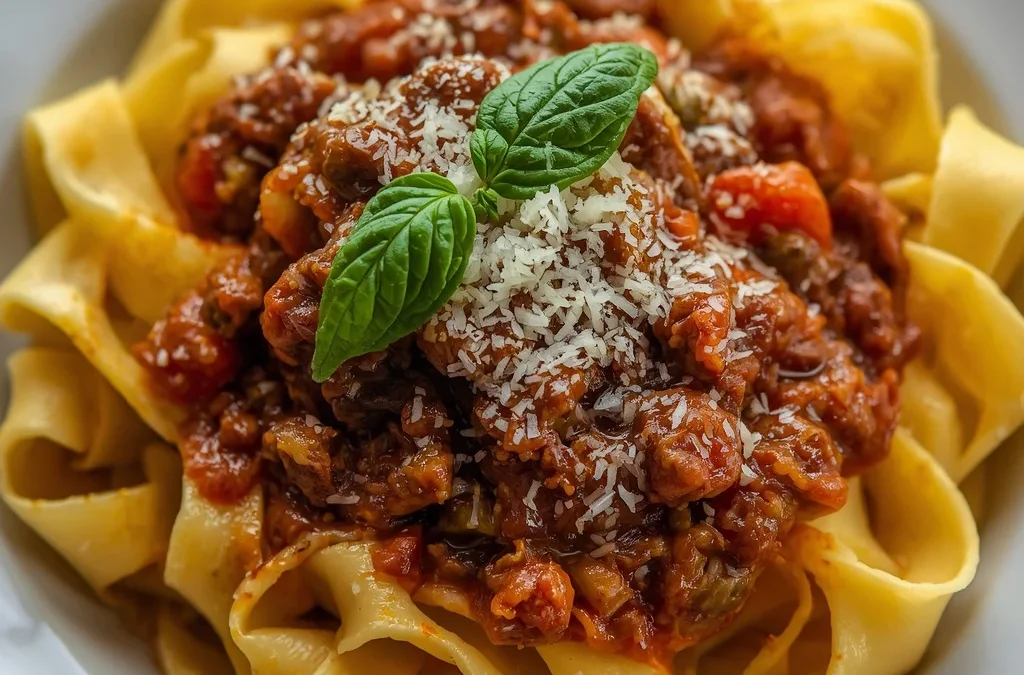
Slow-Cooked Beef Ragu with Silky Pappardelle
- Total Time: 3 hours 55 minutes
- Yield: 6 servings 1x
Description
To understand why this dish is so incredibly special, it helps to break down exactly what it is. A ragu is a meat-based sauce that is traditionally cooked over a long period over low heat. Unlike a standard bolognese, which typically utilizes ground meat, this premium version utilizes large cuts of beef that break down into delicate, tender shreds during the extended cooking process.
Ingredients
For the Ragù
- 2 lb (900 g) beef chuck roast, cut into large chunks
- 2 tbsp olive oil
- Salt and freshly ground black pepper
- 1 large onion, finely diced
- 2 carrots, finely diced
- 2 celery stalks, finely diced
- 5 garlic cloves, minced
- 2 tbsp tomato paste
- 1 cup (240 ml) dry red wine (such as Cabernet Sauvignon or Chianti)
- 1 can (28 oz/800 g) crushed tomatoes
- 2 cups (480 ml) beef stock
- 2 tsp Worcestershire sauce (optional)
- 2 bay leaves
- 2 sprigs fresh rosemary
- 3–4 sprigs fresh thyme
- 1 tsp dried oregano
- Pinch of red pepper flakes (optional)
For the Pasta
- 1 lb (450 g) pappardelle pasta
- 2 tbsp butter
- ½ cup grated Parmesan cheese, plus extra for serving
- Chopped fresh parsley or basil
Instructions
1. Brown the Beef
- Pat the beef dry and season generously with salt and pepper.
- Heat olive oil in a Dutch oven over medium-high heat.
- Brown the beef on all sides, about 3–4 minutes per side.
- Remove and set aside.
2. Build the Flavor Base
- Reduce heat to medium.
- Add onion, carrots, and celery.
- Cook for 8–10 minutes until softened.
- Stir in garlic and cook for 1 minute.
- Add tomato paste and cook for another 2 minutes.
3. Deglaze
- Pour in the red wine.
- Scrape up all the browned bits from the bottom.
- Simmer for 5–7 minutes until reduced by about half.
4. Slow Cook
Add:
- Crushed tomatoes
- Beef stock
- Worcestershire sauce
- Bay leaves
- Rosemary
- Thyme
- Oregano
Notes
- Prep Time: 25 minutes
- Cook Time: 3 hours 30 minutes
- Category: Main Course
- Method: Slow-Cooking
- Cuisine: Italian
Nutrition
- Serving Size: 1 bowl (about 2 cups)
- Calories: 680 kcal
Keywords: shredded beef ragu pasta, braised beef ragout with pappardelle, slow-simmered Italian beef sauce
