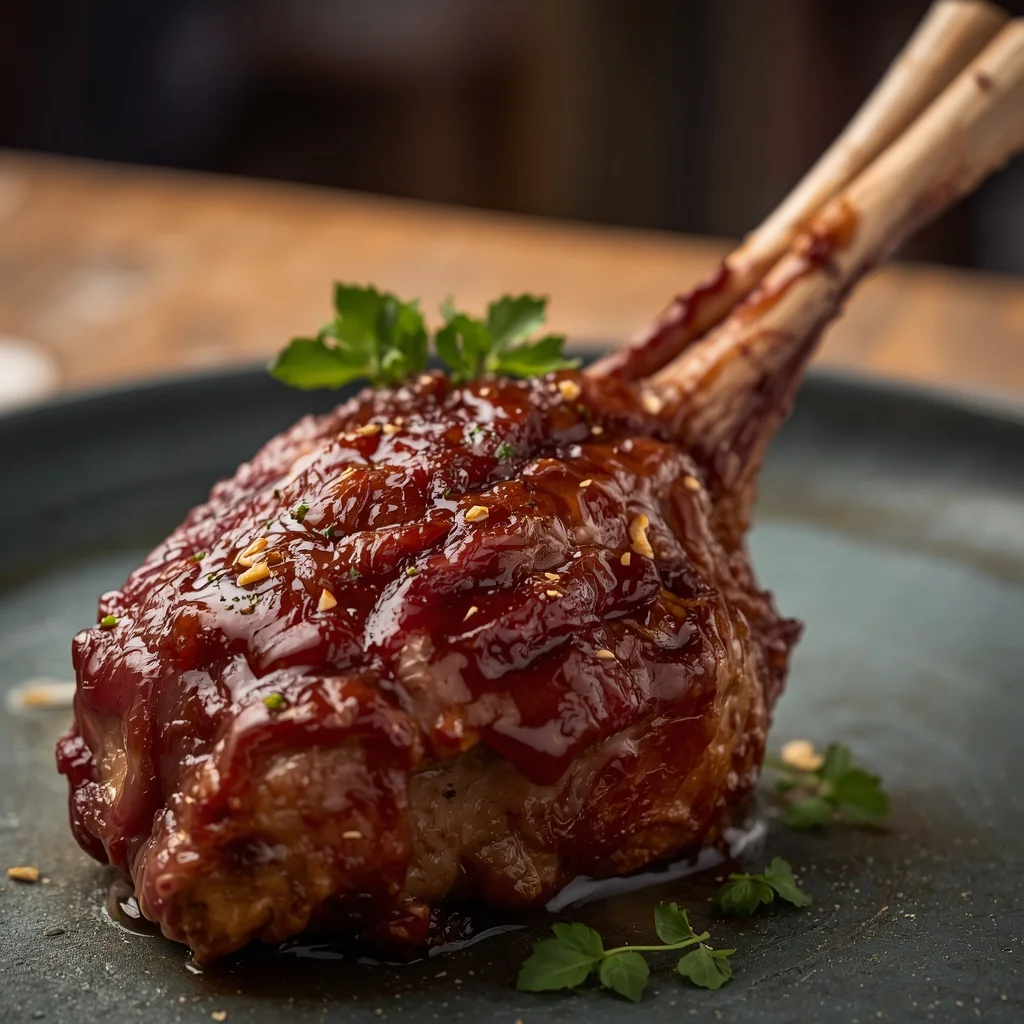
When you want to cook a meal that feels like a true celebration, nothing quite compares to a slow-roasted lamb leg. This timeless dish turns an ordinary dinner into an unforgettable feast. Cooking meat on the bone at a gentle pace melts away tough fibers. It leaves you with incredible depth, succulent texture, and rich, savory aromas. These wonderful smells will quickly fill your whole home. Whether you are hosting a Sunday family gathering or cooking for a holiday feast, mastering this classic roast is easier than you might think.
Many people feel intimidated by large cuts of meat. They worry about ending up with tough or dry results. However, taking a low and slow cooking approach removes all that guesswork. Giving the cut time to gradually tenderize in a fragrant bath of herbs, garlic, and rich liquid guarantees success. You get melt-in-your-mouth perfection every single time.
In this ultimate guide, we will explore everything you need to know about preparing this show-stopping centerpiece. We cover its traditional roots, step-by-step cooking techniques, variations, and side dish pairings. You will gain all the confidence required to serve a spectacular roast meal.
What is a Slow-Roasted Lamb Leg?
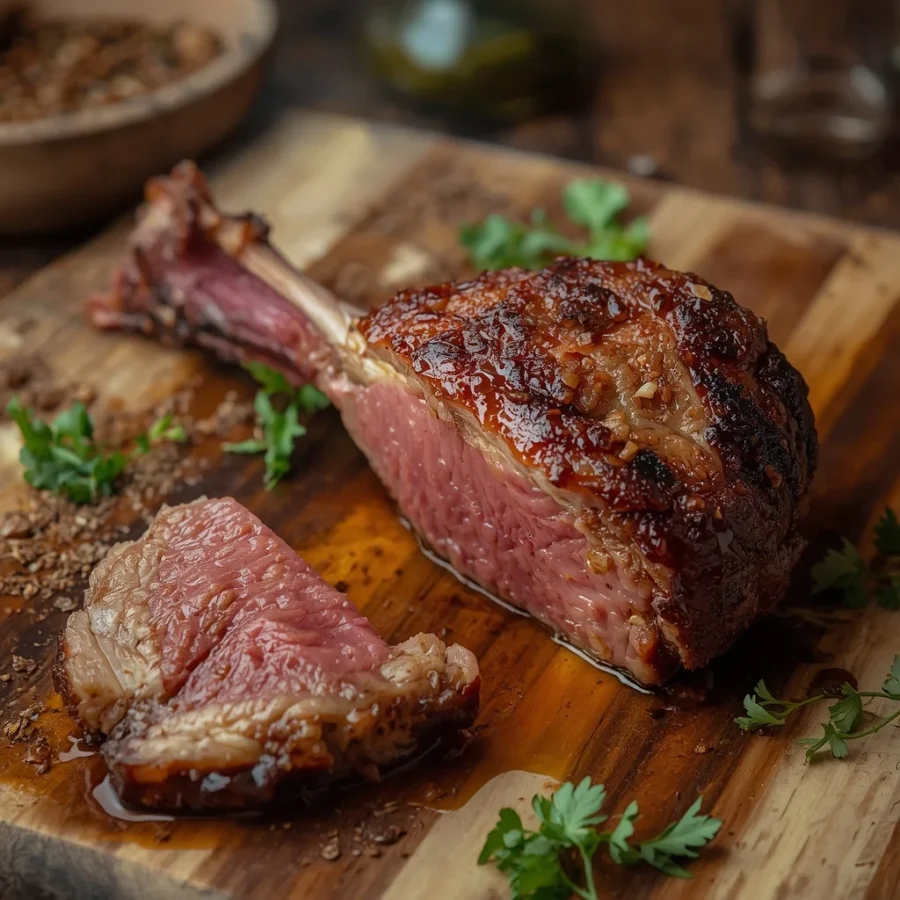
A slow-roasted lamb leg is a traditional culinary preparation where a whole bone-in or boned cut of young sheep is cooked at a low temperature over an extended period. Unlike quick-sear methods or high-heat steaks, roasting low and slow allows the naturally rich connective tissue and intramuscular fat to slowly dissolve.
This gentle transformation hydrates the meat from the inside out. It makes the joint so soft that you can often pull it apart using just two forks. Typically, the meat is infused with classic aromatics such as garlic cloves, fresh rosemary, thyme, Dijon mustard, and a splash of wine or stock. The result is a harmoniously seasoned roast featuring a crispy, deeply caramelized exterior and an unbelievably juicy, savory interior.
Origin of the Classic Roasted Lamb Dish
The tradition of roasting sheep meat dates back thousands of years across various ancient cultures. Early pastoral societies across the Mediterranean, the Middle East, and Central Asia relied heavily on livestock. They made roasted sheep a staple of major festivals, religious holidays, and seasonal harvests.
In Mediterranean and European culinary history, roasting a whole joint became symbolic of hospitality and abundance. The classic pairing of garlic, rosemary, and olive oil traces its roots directly to ancient Greece and Rome. These herbs grew wild along the ancient countryside. As European agricultural traditions developed, countries like Great Britain, Ireland, and France refined the art of slow-roasting cuts for Sunday family dinners.
Today, this iconic meal remains a cornerstone of spring celebrations, Easter feasts, and Sunday gatherings around the globe. Every region adds its own local spices and twists. Still, the core technique of low-temperature roasting remains completely timeless.
Essential Ingredients with Quantities: slow-roasted lamb leg
To make a memorable slow-roasted lamb leg, quality ingredients are essential. Using fresh herbs and a well-balanced liquid base creates an extraordinary pan juice. This liquid easily doubles as a rich gravy.
Primary Meat and Marinade
-
Whole leg of lamb: One whole bone-in joint, approximately two to two and a half kilograms (about four and a half to five and a half pounds)
-
Garlic: Six to eight fresh garlic cloves, peeled and thinly sliced
-
Fresh rosemary: Two tablespoons, finely chopped
-
Fresh thyme: One tablespoon of fresh thyme leaves
-
Olive oil: Two tablespoons of extra virgin olive oil
-
Salt: Two teaspoons of coarse sea salt or kosher salt
-
Black pepper: One teaspoon of freshly ground black pepper
-
Dijon mustard: One tablespoon of smooth Dijon mustard
Roasting Pan Aromatics and Cooking Liquid
-
Yellow onion: One large onion, roughly chopped into thick pieces
-
Carrots: Two medium carrots, roughly chopped
-
Celery: Two celery stalks, roughly chopped
-
Broth: Two hundred and fifty milliliters (one cup) of rich beef stock or lamb stock
-
Red wine: One hundred and fifty milliliters (two-thirds of a cup) of dry red wine (optional, but highly recommended for depth)
-
Bay leaves: Two whole dried bay leaves
Step-by-Step Directions and Preparation Method: slow-roasted lamb leg
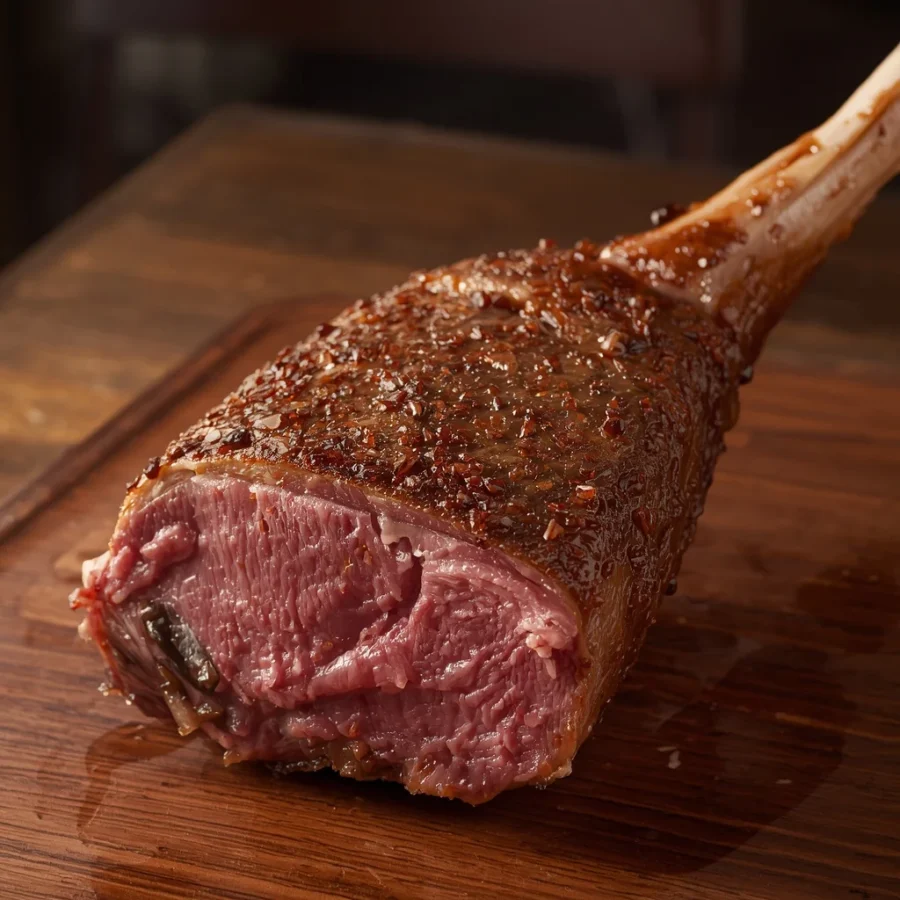
Achieving a restaurant-quality meal at home requires patience, proper seasoning, and precise temperature management. Follow these simple steps to ensure your roast turns out tender, juicy, and beautifully seasoned throughout.
Preparing and studding the meat
-
Remove the meat joint from the refrigerator approximately thirty to forty-five minutes before you plan to cook. Bringing the joint toward room temperature ensures even cooking throughout the center.
-
Pat the entire surface completely dry using paper towels. Moisture on the surface prevents seasonings from sticking properly.
-
Using a small, sharp paring knife, make several small cuts, about two centimeters deep, all over the surface of the meat.
-
Slide a slice of fresh garlic deep into each small incision. As the meat roasts, these garlic slivers will melt directly into the muscle fibers, infusing deep flavor into every bite.
Mixing and applying the herb rub
-
In a small mixing bowl, combine the chopped fresh rosemary, thyme leaves, extra virgin olive oil, coarse salt, freshly ground black pepper, and Dijon mustard. Mix into a thick paste.
-
Rub this fragrant herb mixture generously all over the joint, ensuring you cover both sides, the bottom, and any natural crevices.
Setting up the roasting pan
-
Preheat your oven to one hundred and sixty degrees Celsius (or three hundred and twenty-five degrees Fahrenheit).
-
Scatter the roughly chopped yellow onion, carrots, celery, and dried bay leaves across the bottom of a deep roasting pan to create a natural trivet.
-
Pour the beef or lamb stock and the dry red wine directly into the pan around the vegetables, taking care not to wash off the herb rub on the meat.
The initial low-and-slow roast
-
Place the seasoned joint directly on top of the bed of chopped vegetables.
-
Cover the entire roasting pan tightly with heavy-duty aluminum foil. Sealing the pan traps steam inside, keeping the environment moist and helping break down tough connective tissues.
-
Place the pan in the preheated oven and roast undisturbed for three and a half to four hours.
Browning for a crisp crust
-
Carefully remove the roasting pan from the oven and discard the aluminum foil.
-
Increase your oven temperature to two hundred and twenty degrees Celsius (or four hundred and twenty-five degrees Fahrenheit).
-
Return the uncovered roasting pan to the oven and roast for an additional twenty to thirty minutes. This high-heat phase crisps up the exterior fat and creates a deeply browned, flavorful crust.
Step Six: Testing doneness
-
To confirm your slow-roasted lamb leg has reached fall-apart tenderness, insert an instant-read meat thermometer into the thickest part of the joint without hitting the bone.
-
For pull-apart meat that shreds easily, look for an internal reading of ninety to ninety-five degrees Celsius (around one hundred and ninety-four to two hundred and three degrees Fahrenheit). If you prefer a firmer, sliceable roast, you may remove it earlier when the temperature reaches medium doneness.
Step Seven: Resting the meat
-
Transfer the finished joint onto a warm wooden cutting board or serving platter.
-
Tent a piece of foil loosely over the meat and let it rest for twenty to thirty minutes before carving. Resting allows the internal juices to redistribute throughout the roast, keeping every slice extraordinarily tender.
Crafting a Quick Pan Gravy: slow-roasted lamb leg
Never throw away the liquid leftover in your roasting pan. It holds an incredible depth of flavor. That liquid produces a velvety, rich sauce in just a few short minutes.
-
Pour the remaining pan liquids and vegetables through a fine-mesh strainer into a glass measuring cup or bowl. Press down on the cooked vegetables to extract every drop of flavor.
-
Allow the liquid to settle for a few minutes, then skim off the excess oil floating on top using a wide spoon.
-
Pour the strained liquid into a small saucepan over medium heat. Bring it to a steady simmer and cook for five to ten minutes until it reduces slightly and thickens naturally.
-
For a thicker gravy, whisk one tablespoon of cornflour (cornstarch) into two tablespoons of cold water to form a smooth slurry. Slowly pour this slurry into the simmering liquid while whisking continuously until the sauce reaches your preferred consistency. Season with extra salt and pepper to taste.
Flavor Variations to Try: slow-roasted lamb leg
While garlic and rosemary represent the quintessential pairing, you can easily adapt a slow-roasted lamb leg to fit different regional flavor profiles.
Mediterranean Citrus and Garlic Twist
Replace the red wine with fresh lemon juice and dry white wine. Add two extra cloves of crushed garlic and a teaspoon of dried oregano. Place quartered lemons inside the roasting pan alongside the onions. Bright citrus acidity cuts right through the natural richness of the meat.
Middle Eastern Spice Rub
Swap out the Western herbs for a warm, aromatic spice paste. Combine olive oil, ground cumin, coriander, cinnamon, smoked paprika, ground cardamom, and a pinch of cayenne pepper. Coat the joint thoroughly before roasting to create an intoxicating, fragrant crust.
Anchovy and Herb Infusion
For an intense savory punch known as umami, slice several canned anchovy fillets into tiny pieces. Insert a piece of anchovy alongside each slice of garlic into the incisions made on the meat. As it roasts, the anchovies completely dissolve. They leave behind no fishy taste, providing only a deep, mouthwatering richness.
Delicious Serving Suggestions: slow-roasted lamb leg
A festive main dish deserves memorable side dishes to round out the table. Consider these classic pairings to make the most of your hearty meal:
-
Crispy Roasted Potatoes: Parboil potato chunks, rough up their edges, and roast them in the oven until gold and crunchy.
-
Velvety Mashed Potatoes: Creamy mashed potatoes act as the perfect vehicle for catching every drop of your rich pan gravy.
-
Classic Mint Sauce: A bright mixture of fresh mint leaves, white vinegar, a splash of boiling water, and a pinch of sugar provides a traditional, refreshing contrast.
-
Steamed or Roasted Green Vegetables: Tender-crisp green beans, roasted baby carrots, or buttered peas add vibrant color and fresh balance to your plate.
-
Yorkshire Puddings: Light, airy puddings are wonderful for soaking up surplus gravy and pan juices.
Frequently Asked Questions: slow-roasted lamb leg
Should I cover the meat for the entire cooking time?
Covering the roasting pan with foil for the first three to four hours is essential. It keeps moisture trapped inside the pan. This steamy environment tenderizes the muscle fibers gently. Uncovering the pan during the final twenty to thirty minutes allows the exterior to brown naturally without drying out the interior.
Is a bone-in leg better than a boneless leg?
Both options work well in the kitchen. However, a bone-in joint generally provides superior flavor and moisture during prolonged cooking. Bones conduct heat through the interior while releasing marrow components into the meat and pan drippings. Boneless cuts cook slightly faster and are easier to carve. They may require tying with kitchen twine to maintain an even shape.
How do I store and reheat leftovers?
Store any leftover cooked meat in an airtight container in the refrigerator for up to three or four days. To reheat without drying it out, place the carved meat in a baking dish with a splash of leftover gravy or broth. Cover tightly with aluminum foil. Warm gently in the oven at a low setting until hot throughout.
Conclusion: slow-roasted lamb leg
Preparing an extraordinary slow-roasted lamb leg is one of the most rewarding culinary experiences you can enjoy at home. Select a prime joint first. Combine fresh herbs with garlic next. Let gentle oven heat work its magic over several hours to create a meal that stays tender, juicy, and packed with flavor. Always remember to let your roast rest properly before carving. Taking that short break ensures all those rich juices stay inside the meat where they belong. Pair your centerpiece with crisp roasted potatoes, fresh seasonal vegetables, and a spoonful of homemade gravy. You will deliver a spectacular dining experience that will impress your family and guests every single time.
Print
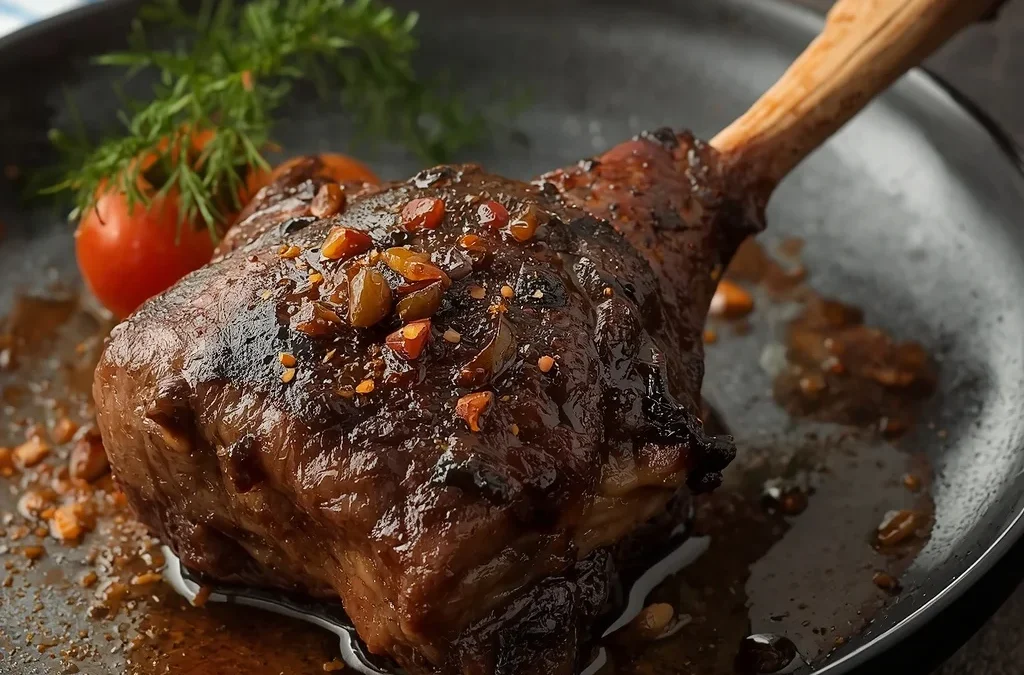
Ultimate Guide to Making the Best Slow-Roasted Lamb Leg
- Total Time: 4 hours 40 minutes–5 hours 50 minutes
- Yield: 6–8 servings 1x
- Diet: Gluten Free
Description
A slow-roasted lamb leg is a traditional culinary preparation where a whole bone-in or boned cut of young sheep is cooked at a low temperature over an extended period. Unlike quick-sear methods or high-heat steaks, roasting low and slow allows the naturally rich connective tissue and intramuscular fat to slowly dissolve.
Ingredients
Scale
- 1 whole leg of lamb, about 2–2.5 kg (4½–5½ lb)
- 6–8 garlic cloves, sliced
- 2 tbsp fresh rosemary, chopped
- 1 tbsp fresh thyme leaves
- 2 tbsp olive oil
- 2 tsp salt
- 1 tsp freshly ground black pepper
- 1 tbsp Dijon mustard
- 1 large onion, roughly chopped
- 2 carrots, roughly chopped
- 2 celery stalks, roughly chopped
- 250 ml (1 cup) beef or lamb stock
- 150 ml (⅔ cup) red wine, optional
- 2 bay leaves
Instructions
- Prepare the lamb
Take the lamb out of the refrigerator about 30–45 minutes before cooking. Pat it dry. Make small cuts all over the meat and push slices of garlic into them. - Season
Mix the rosemary, thyme, olive oil, salt, pepper, and Dijon mustard. Rub the mixture generously over the lamb. - Prepare the roasting pan
Heat the oven to 160°C (325°F). Put the onion, carrots, celery, and bay leaves into a deep roasting pan. Pour in the stock and wine. - Slow roast
Place the lamb on top of the vegetables. Cover the pan tightly with foil and roast for about 3½–4 hours. - Brown the lamb
Remove the foil and increase the oven temperature to 220°C (425°F). Roast for another 20–30 minutes, until the outside is deeply browned. - Check doneness
For very tender, pull-apart lamb, the internal temperature should be around 90–95°C (194–203°F). For a less-done roast, remove it earlier according to your preferred internal temperature. - Rest
Transfer the lamb to a cutting board, loosely cover with foil, and rest for 20–30 minutes before carving.
Notes
- Prep Time: 20 minutes
- Cook Time: 4–5 hours
- Category: Main Course
- Method: Slow Roasting
- Cuisine: Mediterranean
Nutrition
- Serving Size: 1 serving (approximately 250 g cooked lamb)
- Calories: 550 kcal
Keywords: slow-roasted leg of lamb, tender roasted lamb leg, oven-roasted lamb joint, low and slow lamb leg
