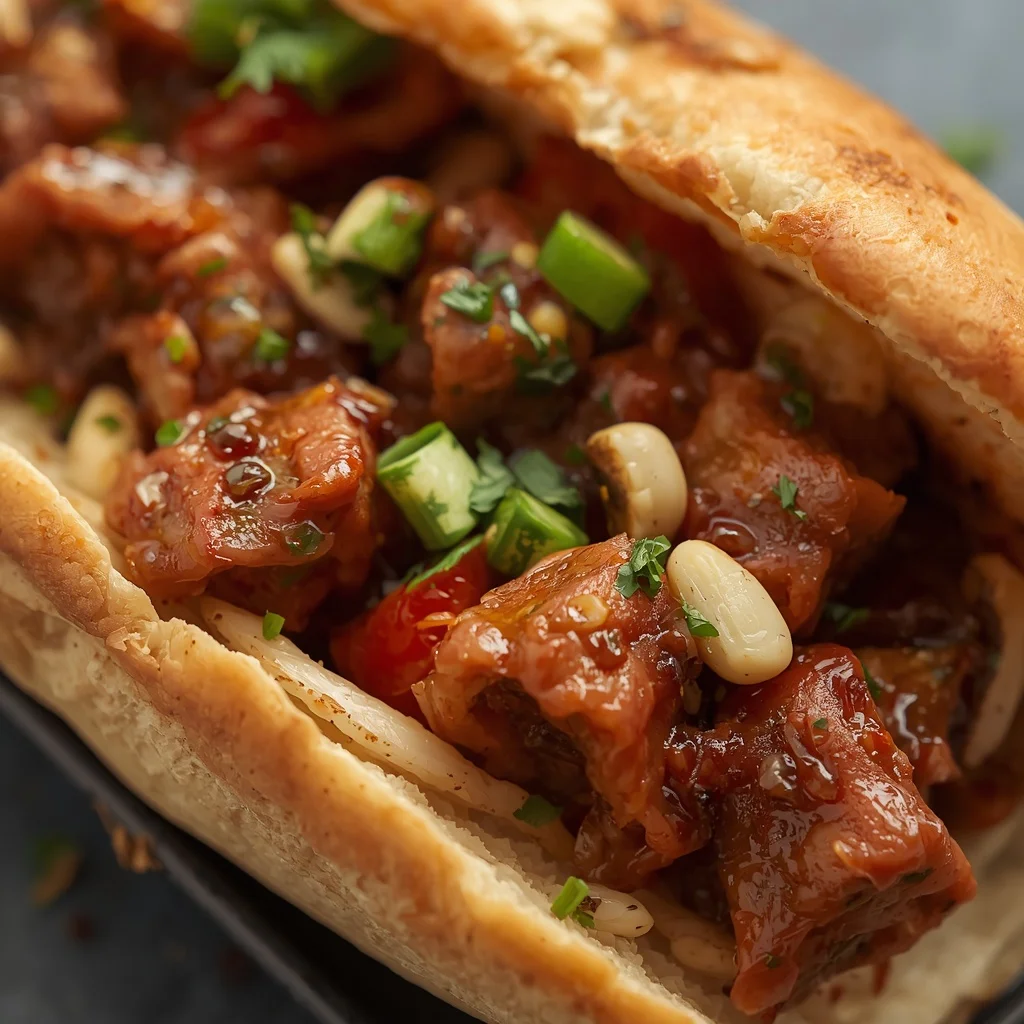
Stepping into the world of traditional baking introduces us to shapes, textures, and aromas that have comforted households for generations. If you want to experience authentic Mediterranean flavors right in your home kitchen, learning how to prepare a spiced lamb and pine nut turkish pide is an exceptional culinary adventure. This iconic street food item combines a remarkably tender, chewy bread base with a rich, savory meat topping that is punctuated by the buttery crunch of toasted pine nuts. In this comprehensive, long-form guide, we will break down the history, the structural secrets, and every technical step required to master this beautiful boat-shaped flatbread so that your homemade version easily surpasses anything you can find at a restaurant.
Creating the perfect Turkish flatbread is an art form that balances structural dough elasticity with a deeply seasoned meat filling. The contrast between the crisp, golden crust and the juicy, spiced interior is what makes this dish an enduring favorite worldwide. Whether you are aiming to impress your guests at an upcoming weekend dinner party or simply want to expand your baking repertoire with dynamic, ancient flavor combinations, mastering this traditional recipe will elevate your skills and bring warmth to your kitchen table.
What is This Savory Flatbread?
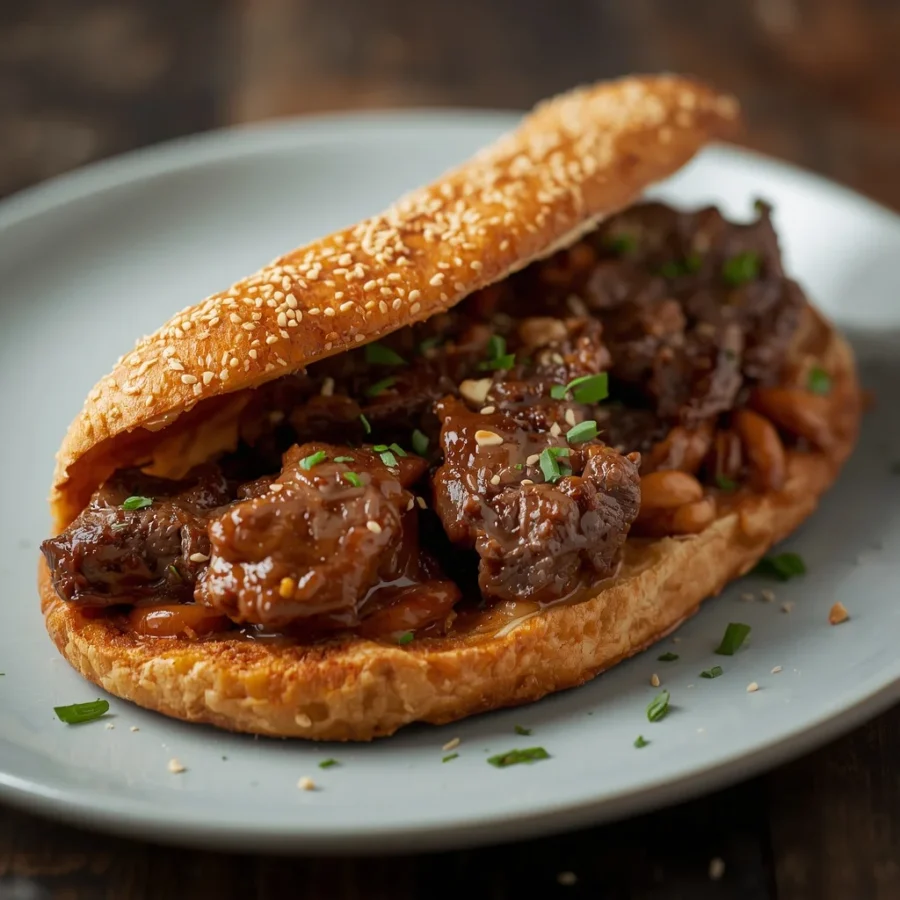
To understand this dish, think of it as a historical relative to the classic flatbreads found across the Mediterranean basin, yet with a completely unique architectural presentation. It is a traditional yeast-leavened flatbread that bakers expertly form into an elongated boat shape. This specific structure serves a practical purpose, acting as a sturdy edible vessel designed to hold a generous amount of moist, intensely flavored ground meat and aromatics.
Unlike standard thin-crust pizza options, the edges of this dough are folded inward and tightly pinched at the ends, which traps all the precious savory juices inside the crust while it bakes in the oven. The result is a dual-texture marvel where the outermost rim becomes wonderfully crisp and golden, while the dough directly underneath the spiced ground lamb stays soft, tender, and saturated with incredible savory depth.
Origin of spiced lamb and pine nut turkish pide
The roots of this spectacular dish run incredibly deep through the history of Anatolia, a region renowned for its profound impact on global culinary traditions. For centuries, communal ovens formed the literal and figurative heart of Turkish villages and towns. Local residents would prepare their own custom meat fillings at home using fresh lamb, onions, and local spices, then carry them in bowls to the neighborhood bakery.
The master baker, or pideci, would expertly roll out fresh yeast dough, distribute the customer’s personal meat mixture over the top, shape it into the iconic boat silhouette, and slide it into a roaring wood-fired brick oven. This rich tradition of shared cooking transformed a simple meal into a daily community event. Today, it remains one of the most beloved street foods across Turkey, celebrated for its portability, comforting texture, and rich history.
The Secret to Perfecting Spiced Lamb and Pine Nut Turkish Pide
Achieving an authentic texture at home requires focusing closely on two main elements: dough hydration and filling moisture management. When preparing a spiced lamb and pine nut turkish pide, your dough needs to be soft and pliable, yet strong enough to be rolled out thin without tearing. Proper kneading ensures the gluten develops fully, allowing the bread to puff up beautifully around the edges while maintaining its classic chewy center.
The lamb filling requires just as much care. Ground lamb naturally possesses a wonderful richness, but it must be properly drained of excess fat after cooking so it does not make the dough soggy during the baking process. Combining this rich meat with sweet sautéed onions, warm earthy spices, and toasted pine nuts creates a balanced profile that ensures every single bite is packed with texture and flavor without feeling overly heavy.
Ingredients with Exact Quantities: spiced lamb and pine nut turkish pide
To make this recipe a resounding success, gather these high-quality, simple ingredients before you begin mixing your components.
For the Elastic Bread Dough
-
All-purpose flour: Three and one half cups (approximately four hundred and forty grams). This forms the sturdy, structural foundation of your flatbread.
-
Instant yeast: Two and one quarter teaspoons (approximately seven grams). Provides a fast, reliable rise for a beautifully aerated crust.
-
Sugar: One teaspoon. A tiny amount to wake up the yeast and assist with optimal crust coloration.
-
Salt: One teaspoon. Essential for strengthening the flour structure and enhancing flavor.
-
Warm water: One cup (approximately two hundred and forty milliliters). Keeps the dough hydrated and activates the yeast cells cleanly.
-
Olive oil: Two tablespoons. Adds a touch of tenderness to the interior crumb and makes the dough easier to stretch.
Rich Lamb Filling
-
Ground lamb: One pound (approximately four hundred and fifty grams). Choose high-quality meat for the best flavor experience.
-
Small onion: One piece, processed into a very fine dice. This provides moisture and sweetness to the base.
-
Garlic cloves: Two pieces, thoroughly minced to release their aromatic oils.
-
Olive oil: Two tablespoons. Used to sauté your base aromatics evenly.
-
Pine nuts: One quarter cup. Lightly toasted to unlock their signature buttery flavor profile.
-
Tomato paste: One tablespoon. Adds a concentrated umami depth and binds the filling together.
-
Paprika: One teaspoon. Introduces a beautiful, warm color and a gentle sweetness.
-
Ground cumin: One teaspoon. The foundational warm spice that anchors the entire flavor profile.
-
Ground coriander: ½ teaspoon. Adds a subtle, bright, citrus-like undertone to the meat.
-
Ground cinnamon: ½ teaspoon. A classic secret addition that provides an authentic, aromatic Middle Eastern finish.
-
Red pepper flakes: One quarter teaspoon. Completely optional, but perfect if you want to introduce a whisper of background heat.
-
Salt and black pepper: Added according to your personal taste preferences.
-
Fresh parsley: Two tablespoons, finely chopped to bring a clean color contrast.
For the Final Finishing Touches
-
Egg wash: One large egg, thoroughly beaten to create a shiny, professional look on the crust.
-
Sesame or nigella seeds: One tablespoon. Optional, but highly recommended for adding an authentic visual accent and a light, nutty taste to the edges.
-
Lemon wedges and fresh parsley: Kept on hand for a bright garnish right before serving.
Step-by-Step Direction and Preparation Method: spiced lamb and pine nut turkish pide
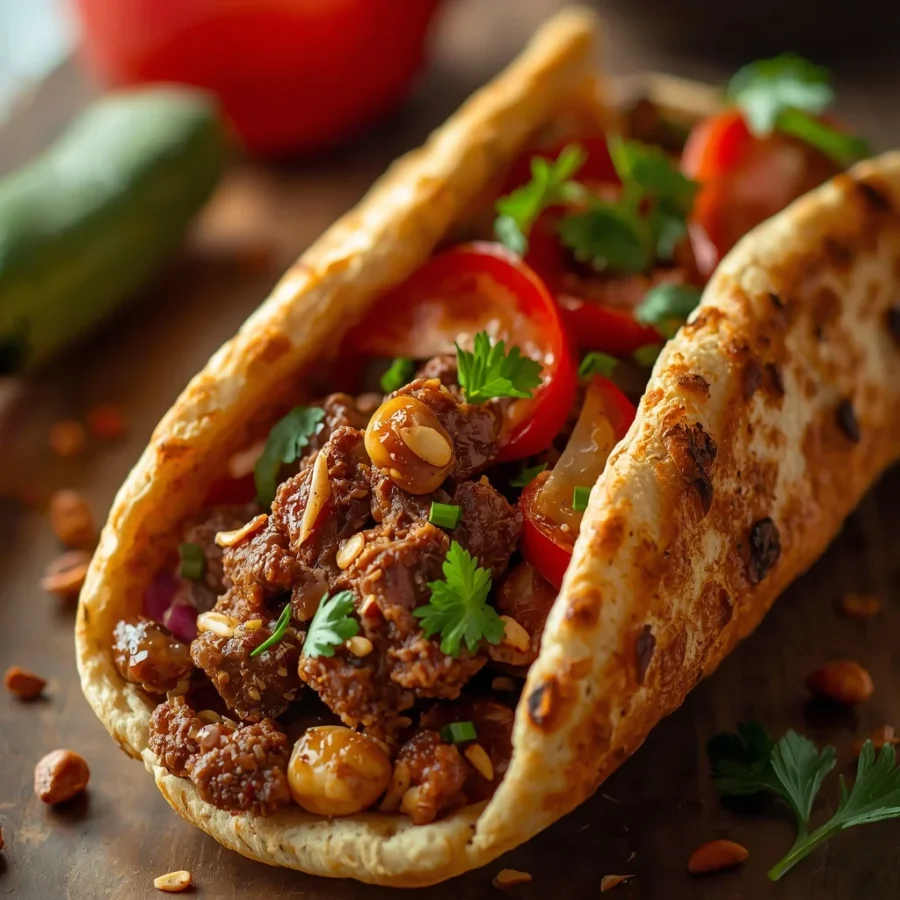
Follow these sequential steps carefully to ensure your dough rises to its full potential and your flatbread retains its beautiful boat shape flawlessly during baking.
Step One: Mixing and Hydrating the Yeast Dough
In a large, clean mixing bowl, whisk together the all-purpose flour, instant yeast, sugar, and salt until everything is completely integrated. Form a shallow well in the center of the dry flour mixture. Pour the warm water and the two tablespoons of olive oil directly into the well.
Using a sturdy spoon or your clean hands, stir the liquids in a circular motion, slowly drawing the surrounding flour into the center. Continue this movement until all the flour is fully incorporated and a soft, cohesive dough pulls away from the sides of the bowl. If the mixture feels a little too dry, you can sprinkle in a few drops of water; if it feels excessively wet, dust in a tiny pinch of flour.
Step Two: Kneading and the Primary Proofing Stage
Turn the soft dough out onto a clean, unfloured or very lightly floured work surface. Begin kneading the dough by pushing it away from you with the heel of your hand, folding it back over itself, and repeating the motion rhythmically. Continue kneading with steady energy for eight to ten minutes. You will watch the dough transform from a rough, sticky mass into a beautifully smooth, elastic, and satin-like ball.
Form the dough into a neat sphere and place it into a bowl that you have coated with a tiny bit of olive oil. Turn the dough ball over once so its top surface is lightly greased, which prevents a dry skin from forming. Cover the bowl with a damp cloth or plastic wrap and move it to a warm, cozy area of your kitchen. Let it rest undisturbed for one hour to one hour and a half, or until it has expanded to double its initial size.
Step Three: Cooking and Seasoning the Meat Filling
While your dough is growing, you can easily prepare the lamb mixture. Place a large skillet over medium heat and pour in two tablespoons of olive oil. Add the finely diced small onion and sauté for three to four minutes, stirring frequently, until the pieces become translucent and soft. Stir in the minced garlic and let it cook for just thirty seconds until it fills the air with its aroma.
Add the ground lamb to the skillet. Use a wooden spoon to break the meat apart into tiny pieces as it cooks, ensuring it browns evenly across the pan. Once the lamb is cooked through, carefully tilt the pan to drain away any excessive fat if necessary. Stir in the tomato paste, paprika, ground cumin, coriander, cinnamon, optional red pepper flakes, salt, and black pepper. Cook the mixture for another two to three minutes so the spices toasted completely and coat the meat. Remove the skillet from the heat, fold in your toasted pine nuts and chopped fresh parsley, and let the filling cool down to room temperature.
Step Four: Dividing, Rolling, and Shaping the Pide Boats
When your dough has finished its rise, preheat your oven to two hundred and twenty degrees Celsius. Punch down the center of the risen dough to deflate it gently, then transfer it onto your work surface. Divide the dough evenly into four equal portions, shaping each piece into a smooth ball.
Take one dough ball at a time and use a rolling pin to stretch it into an elongated, oval shape that measures roughly ten inches in length. Carefully transfer this dough oval onto a baking sheet lined with parchment paper. Spoon a generous quarter of your cooled lamb filling down the exact center of the dough oval, spreading it evenly but leaving a clear one-inch border around the entire edge.
Fold the long dough borders inward over the outer edges of the lamb filling. Pull the two pointed ends of the oval together and pinch them firmly to create a distinct, secure boat shape. Repeat this exact process with the remaining three portions of dough.
Step Five: Finishing Touches and Baking to Perfection
Use a pastry brush to gently coat the folded dough borders of each boat with your beaten egg wash, which gives it an irresistible shine. If you like, sprinkle your sesame seeds or nigella seeds generously over the egg-washed crust for an authentic look.
Slide the baking sheets into your fully preheated oven and bake for fifteen to eighteen minutes. Keep a close eye on them; they are perfectly done when the meat filling is sizzling merrily and the bread crust has turned a spectacular golden brown color with a crisp texture. Carefully remove them from the oven, garnish with fresh parsley leaves, and serve immediately alongside fresh lemon wedges for squeezing over the hot meat.
Flavorful Variations to Explore: spiced lamb and pine nut turkish pide
Once you are comfortable with the traditional meat preparation, you can begin tailoring the toppings to suit your personal preferences or to surprise your family with new textures.
Egg Topped Morning Variation
In many traditional bakeries across Turkey, it is incredibly common to crack a whole fresh egg directly over the center of the lamb filling during the final three to four minutes of the baking cycle. The pide goes back into the hot oven just long enough for the egg white to set completely while keeping the yolk beautifully runny. Slicing into this version allows the rich yolk to mix with the spiced lamb, creating a luxurious sauce that elevates the dish to a whole new level.
Cheese and Lamb Fusion
If you love cheese, try mixing a handful of crumbled feta cheese or shredded halloumi directly into the lamb mixture before baking, or simply sprinkle it over the meat right before you fold the edges of the dough. The salty, tangy profile of Mediterranean cheeses cuts through the rich depth of the ground lamb beautifully, while providing gooey pockets of melted goodness that pair perfectly with the crunchy toasted pine nuts.
Frequently Asked Questions: spiced lamb and pine nut turkish pide
Can I substitute ground beef for the ground lamb?
Yes, you can absolutely use ground beef if you prefer it or if lamb is difficult to find at your local market. Opt for a lean ground beef mix so that it does not release too much extra fat into your flatbread during baking. The spice blend of cumin, coriander, and cinnamon works beautifully with beef as well, ensuring you still achieve that signature warm, authentic Eastern Mediterranean flavor profile.
How do I make sure the pointed ends of the boat do not open up during baking?
The dough expands significantly when it hits the high heat of the oven, which can cause loosely pinched ends to separate. To prevent this, moisten your fingertips with a single drop of water before pinching the dough ends together. Press the dough together firmly and give it a slight twist to lock the seal in place. This ensures your flatbread maintains its iconic shape throughout the entire baking process.
Can I prepare the dough and filling ahead of time?
This recipe is incredibly friendly for advanced meal preparation. You can easily cook the lamb filling a day in advance, store it in an airtight container in your refrigerator, and bring it out when you are ready to assemble. The dough can also undergo its first rise slowly in the refrigerator overnight. Working with cold dough actually makes it much easier to roll out into perfect, clean oval shapes.
Conclusion: spiced lamb and pine nut turkish pide
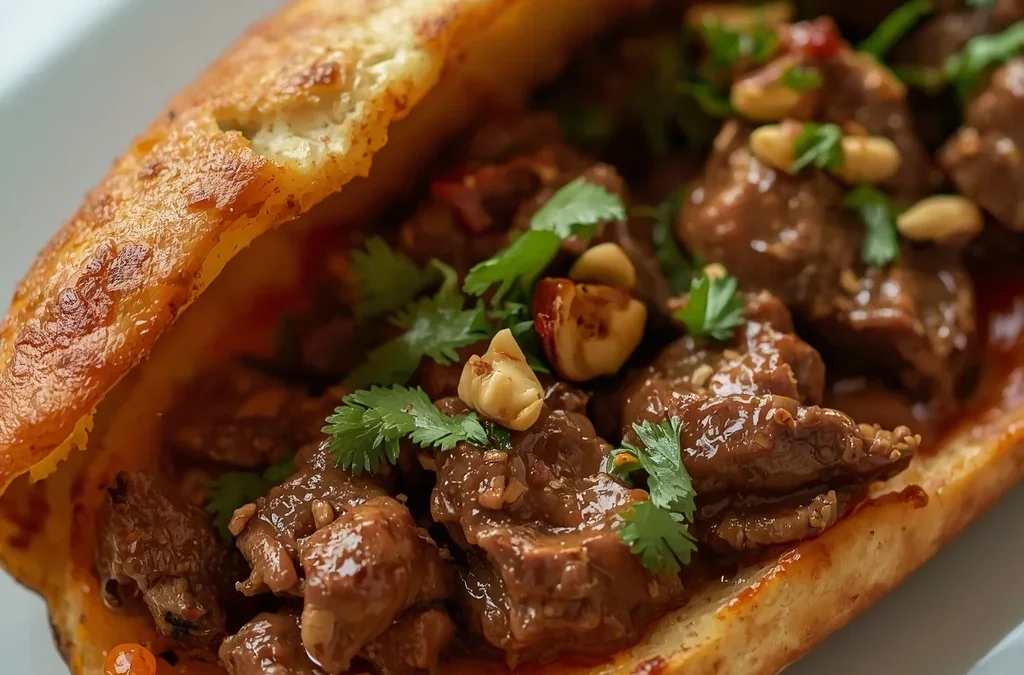
Bringing the authentic tastes of global street food into your home is a deeply satisfying experience that transforms a regular meal into a memorable culinary event. Preparing a classic spiced lamb and pine nut turkish pide allows you to explore the beautiful interplay between an expertly textured yeast crust and a deeply aromatic, savory meat filling. By focusing on kneading your dough until smooth, seasoning your lamb with care, and sealing your boat shapes properly, you ensure a spectacular outcome that will impress anyone at your table. Serve these beautiful flatbreads hot out of the oven with a squeeze of fresh lemon juice, share them with the people you love, and enjoy the rich culinary heritage baked into every single bite.
The Ultimate Guide to Spiced Lamb and Pine Nut Turkish Pide
- Total Time: 2 hours 3 minutes
- Yield: 4 pides 1x
- Diet: Vegetarian
Description
To understand this dish, think of it as a historical relative to the classic flatbreads found across the Mediterranean basin, yet with a completely unique architectural presentation. It is a traditional yeast-leavened flatbread that bakers expertly form into an elongated boat shape. This specific structure serves a practical purpose, acting as a sturdy edible vessel designed to hold a generous amount of moist, intensely flavored ground meat and aromatics.
Ingredients
For the Dough
- 3½ cups (440 g) all-purpose flour
- 2¼ tsp (7 g) instant yeast
- 1 tsp sugar
- 1 tsp salt
- 1 cup (240 ml) warm water
- 2 tbsp olive oil
For the Lamb Filling
- 1 lb (450 g) ground lamb
- 1 small onion, finely diced
- 2 cloves garlic, minced
- 2 tbsp olive oil
- ¼ cup pine nuts, lightly toasted
- 1 tbsp tomato paste
- 1 tsp paprika
- 1 tsp ground cumin
- ½ tsp ground coriander
- ½ tsp ground cinnamon
- ¼ tsp red pepper flakes (optional)
- Salt and black pepper, to taste
- 2 tbsp chopped fresh parsley
For Finishing
- 1 egg, beaten (for egg wash)
- 1 tbsp sesame seeds or nigella seeds (optional)
- Lemon wedges and fresh parsley for serving
Instructions
- In a large bowl, combine the flour, yeast, sugar, and salt.
- Add the warm water and olive oil. Mix into a soft dough and knead for 8–10 minutes until smooth.
- Place the dough in a lightly oiled bowl, cover, and let rise for 1–1½ hours, or until doubled in size.
- Heat olive oil in a skillet over medium heat. Sauté the onion for 3–4 minutes until softened.
- Add the garlic and cook for 30 seconds.
- Add the ground lamb and cook until browned, breaking it apart with a spoon.
- Stir in the tomato paste, paprika, cumin, coriander, cinnamon, red pepper flakes, salt, and pepper. Cook for 2–3 minutes.
- Fold in the toasted pine nuts and chopped parsley. Remove from heat and let the filling cool slightly.
- Preheat the oven to 220°C (425°F).
- Divide the dough into 4 equal portions and roll each into an oval about 10 inches (25 cm) long.
- Spread the lamb filling down the center of each oval, leaving a border around the edges.
- Fold the edges inward and pinch the ends together to create the traditional boat shape.
- Brush the edges with the beaten egg and sprinkle with sesame or nigella seeds if desired.
- Bake for 15–18 minutes, until the crust is golden brown and crisp.
- Garnish with fresh parsley and serve with lemon wedges.
Notes
Serve the pide warm with a fresh salad, creamy yogurt, or a squeeze of lemon juice for a balanced and satisfying meal. It also pairs wonderfully with pickled vegetables and olives.
- Prep Time: 30 minutes
- Cook Time: 18 minutes
- Category: Main Course
- Method: Baking
- Cuisine: Turkish
Nutrition
- Serving Size: 1 pide
- Calories: 620 kcal
Keywords: Bake authentic spiced lamb and pine nut turkish pide at home. A simple guide to creating the perfect crispy, boat-shaped savory flatbread.
