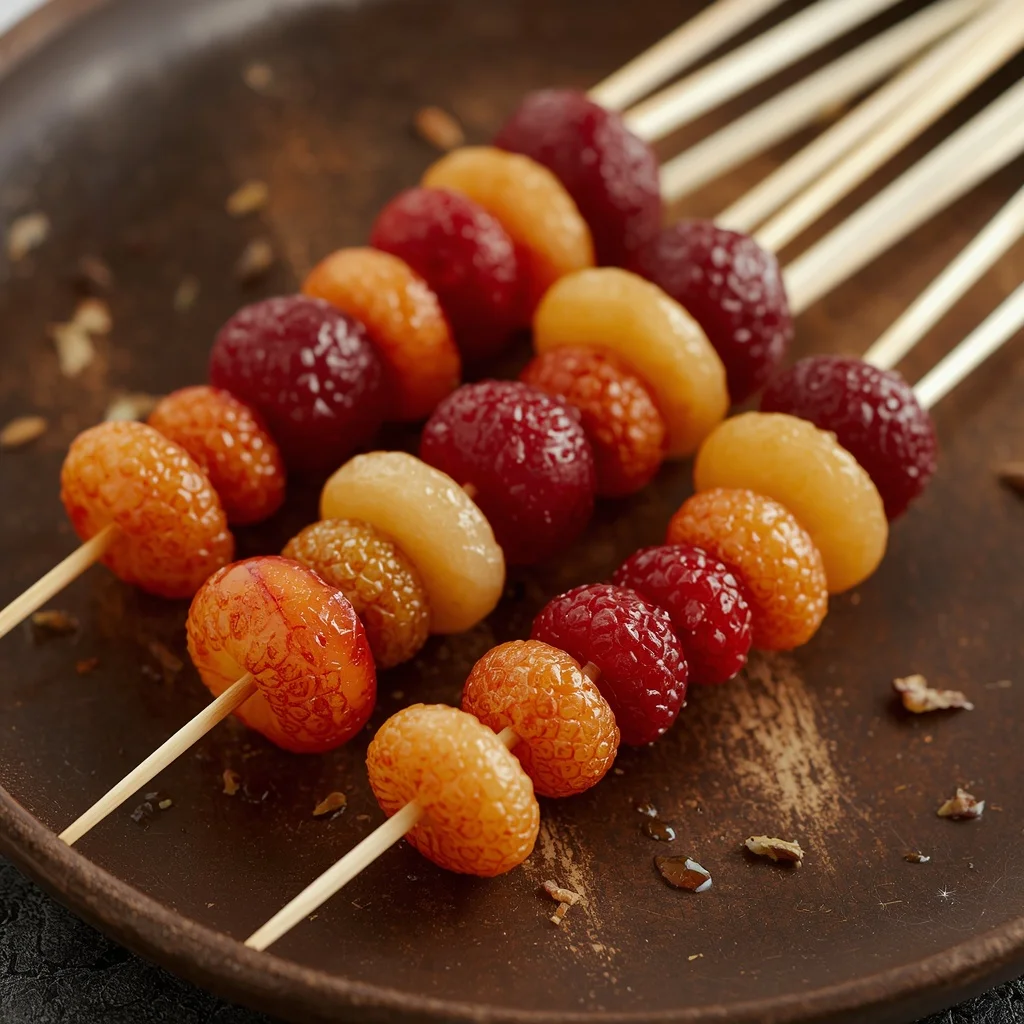
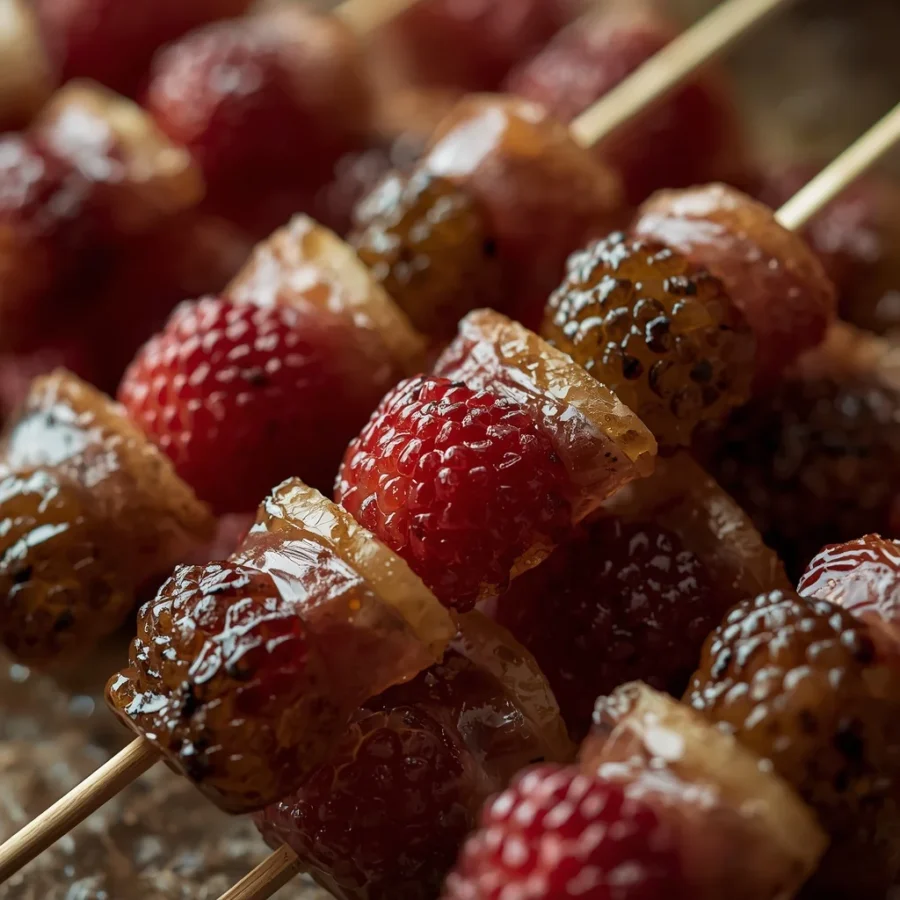
What is a Tanghulu-Inspired Candied Fruit Skewers Recipe?
A Tanghulu-inspired candied fruit skewers recipe is a modern, home-kitchen adaptation of the beloved northern Chinese street food tradition. At its core, the dish consists of fresh, bite-sized pieces of fruit that are threaded onto long wooden sticks and dipped into a molten sugar syrup that hardens into a glass-like glaze. The contrast between the rock-hard, sweet exterior and the juicy, tangy fruit interior creates an extraordinary textural experience that keeps people coming back for more.
While traditional versions focus exclusively on mountain hawthorn fruit, modern adaptations invite you to experiment with a colorful palette of everyday fruits. From ripe strawberries and crisp green grapes to juicy mandarin segments and sweet blueberries, almost any firm fruit can be transformed into a dazzling confection. The secret to success lies in mastering the sugar thermal reduction stage, ensuring that the coating sets into a clear, non-sticky hard shell rather than a soft, chewy syrup.
Beyond being a delicious treat, preparing these candied fruit treats is a celebration of texture and contrast. When prepared correctly, the sugar coating should be whisper-thin. It should break effortlessly under your teeth without sticking or dragging, immediately releasing the fresh, tart juices of the fruit underneath.
Origin and History of Candied Fruit Skewers
To understand the roots of this delightful snack, one must look back to the Song Dynasty in northern China. According to historical folklore, the imperial court physician sought a remedy for an ailing imperial concubine who suffered from a loss of appetite and digestive weakness. The physician prescribed eating hawthorn berries cooked with caramelized sugar before meals. The treatment proved effective, and the simple pairing of sugar and tart hawthorn berries quickly migrated from the imperial palace to public street markets.
Traditionally known as Bingtanghulu, which translates directly to candied hawthorns on a stick, the snack became an iconic staple during winter festivals in cities like Beijing and Tianjin. Hawthorn berries possess a naturally bitter and sour flavor profile, making them the ideal partner for a thick, sugary glaze. Street vendors would thread the red berries onto long bamboo poles, dip them into copper pots of boiling syrup, and allow them to harden instantly in the crisp winter air.
As culinary traditions traveled globally, home cooks and pastry enthusiasts began applying this classic sugar-glaze technique to a wider assortment of globally available produce. Today, Tanghulu-inspired candied fruit skewers represent a vibrant fusion of ancient candy-making craftsmanship and contemporary fruit selection, appreciated by sweet lovers across the globe.
Essential Kitchen Tools for Making Candied Fruit Skewers
Having the correct equipment organized before starting is crucial, as working with molten sugar requires speed, precision, and safety.
-
Heavy-Bottomed Small Saucepan: A small saucepan allows the hot sugar syrup to sit deeper, making it far easier to dip and coat your fruit skewers fully without needing massive quantities of sugar.
-
Wooden Bamboo Skewers: Sturdy wooden skewers are essential for holding the fruit firmly during the dipping process.
-
Candy Thermometer: While optional for experienced candy makers, a reliable thermometer removes all guesswork when measuring the precise hard-crack temperature stage.
-
Parchment Paper or Silicone Baking Mat: Laying down a non-stick surface beforehand prevents the hot sugar from sticking to your countertops or baking sheets as it cools.
-
Bowl of Ice Water: Keeping a bowl of ice water nearby serves a double purpose. It allows you to test the sugar syrup quickly and provides immediate relief in case of accidental sugar splatters.
Ingredients and Quantities for Tanghulu-Inspired Candied Fruit Skewers
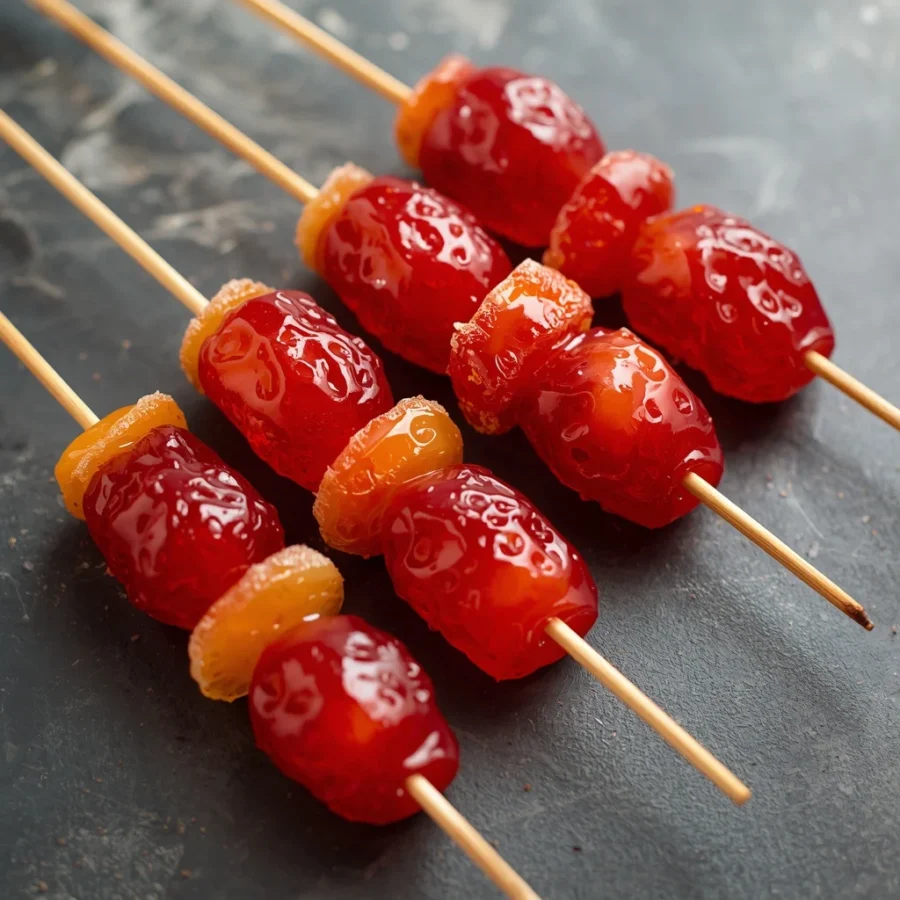
Achieving a crystal-clear, razor-thin glaze requires just a few basic pantry staples. The key is keeping the ratio of sugar to water balanced so that the boiling process proceeds smoothly without scorching or crystallizing prematurely.
List of Required Ingredients
-
Two cups of fresh fruit: Choose firm, fresh options such as whole strawberries, seedless green or red grapes, blueberries, kiwi slices, or mandarin orange segments.
-
Two cups of granulated white sugar: Standard fine white granulated sugar works best for clean melting and a crystal-clear finish.
-
One-half cup of cold water: Water dissolves the sugar evenly before the evaporation process begins.
-
One tablespoon of light corn syrup: While optional, corn syrup acts as an interfering agent that prevents sugar crystals from forming during boiling, guaranteeing a smooth glaze.
-
Wooden bamboo skewers: Approximately six to eight wooden sticks trimmed to fit your saucepan comfortable.
Step-by-Step Preparation Method for Tanghulu-Inspired Candied Fruit Skewers
Executing this recipe demands patience during the cooking phase and fast action during the dipping phase. Following these detailed stages will ensure your home-prepared Tanghulu-inspired candied fruit skewers turn out exceptionally crisp and beautiful every single time.
+-----------------------------------------------------------------------+
|                     CANDY MAKING STAGE TIMELINE                       |
+-----------------------------------------------------------------------+
| 1. Wash & Dry Fruit Thoroughly       -->  Zero moisture on skins       |
| 2. Thread Fruit onto Skewers        -->  Three to five pieces per stick |
| 3. Boil Sugar, Water, & Corn Syrup   -->  Reach hard-crack stage      |
| 4. Quick Dip and Roll Action         -->  One swift rotation in syrup  |
| 5. Cool on Non-Stick Surface        -->  Hardens in five to ten minutes|
+-----------------------------------------------------------------------+
Stage One: Washing and Perfecting the Fruit Surface
Wash all selected fruit thoroughly under cold running water to remove any surface dirt. Once washed, pat the fruit completely dry using clean paper towels. Pay extra attention to the stem areas of strawberries and the skin around grapes.
Any remaining droplet of water on the surface of the fruit will prevent the hot sugar syrup from adhering properly, causing the shell to slip off or melt into a watery mess. Allow the fruit to sit at room temperature on dry paper towels for fifteen minutes to ensure every trace of moisture has fully evaporated.
Stage Two: Threading the Fruit onto Skewers
Carefully push three to five pieces of fruit onto each wooden skewer. Keep the fruit snug against each other without crushing the delicate flesh. Ensure the skewer does not pierce completely through the top piece of fruit, as juices leaking from the top hole can disrupt the sugar shell later.
If using strawberries, keep the green leaves intact for an attractive color contrast, or trim them cleanly with a sharp knife if you prefer a fully covered berry. Arrange your assembled skewers on a dry plate near your cooking station so they are ready for immediate dipping.
Stage Three: Cooking the Sugar Syrup to Hard-Crack Stage
Combine two cups of granulated sugar, one-half cup of water, and one tablespoon of light corn syrup in your small heavy-bottomed saucepan. Give the ingredients one gentle stir with a spoon before turning on the heat to ensure the sugar is evenly moistened.
Place the saucepan over medium heat. Once the liquid begins to simmer and bubble, do not stir the pan again. Stirring boiling sugar solution encourages large sugar crystals to form, which can render your final glaze grainy rather than glassy. Allow the mixture to boil undisturbed as the water evaporates.
Monitor the syrup closely. It will transition from rapid, watery bubbles to slower, thicker, golden-tinted bubbles. If using a candy thermometer, watch for the temperature to hit exactly one hundred fifty degrees Celsius, which corresponds to three hundred two degrees Fahrenheit. This is known in confectionery arts as the hard-crack stage.
If you do not own a candy thermometer, perform the cold water test. Spoon a tiny droplet of the hot syrup directly into a small bowl of cold ice water. If the syrup instantly hardens into a brittle, glass-like thread that snaps cleanly when bent, your syrup is ready. If it feels soft, flexible, or chewy, continue cooking for another minute and test again.
Stage Four: Dipping and Coating the Skewers
Once the syrup reaches the hard-crack stage, immediately remove the saucepan from the heat element and tilt it slightly so the hot liquid pools deeply on one side.
Working rapidly, take one skewer and roll it through the hot sugar in one swift, continuous motion. You want a whisper-thin layer of candy covering every angle of the fruit. Avoid submerged soaking or double-dipping, as excess heat from prolonged exposure will cook the underlying fruit and release unwanted juices. Lift the skewer out, allow the excess syrup to drip back into the pan for two seconds, and move to the cooling station. Repeat this process quickly with the remaining skewers before the syrup begins to cool and thicken in the pan.
Stage Five: Cooling and Setting the Glaze
Place the coated skewers onto your prepared sheet of parchment paper or silicone baking mat. Make sure the skewers do not touch one another while setting.
Allow the skewers to cool undisturbed at room temperature for five to ten minutes. As the sugar cools, it will transform into a hard, glossy, transparent shell. Once cooled, your delicious homemade candied fruit treats are ready to be served and enjoyed immediately.
Pro Culinary Secrets for Homemade Candied Fruit Skewers Success
While the ingredient list is remarkably simple, sugar work requires precision. Remembering a few fundamental rules will elevate your results from simple home experiments to professional quality.
Complete Dryness Is Non-Negotiable
Water is the ultimate enemy of hot sugar candy. Even a single micro-droplet of moisture trapped between the skin of the fruit and the molten sugar creates steam, which prevents bonding and degrades the hard-crack shell into a sticky liquid. Take your time during the drying phase before threading your fruit.
Maintain Temperature Control Without Burning
Sugar transitions from the hard-crack stage to burnt caramel very rapidly. Keep a watchful eye on your saucepan as the temperature passes one hundred forty degrees Celsius. If the sugar begins turning dark brown or smoking, it has scorched and will impart a bitter taste to your fruit.
Exciting Flavor and Color Variations for Candied Fruit Skewers
Once you have mastered the traditional glass coating, you can customize your Tanghulu-inspired candied fruit skewers with creative flavor additions, toppings, and fruit combinations to suit any celebration.
Toasted Sesame Seed Crust
Immediately after dipping the fruit skewer into the clear hot syrup, sprinkle a pinch of toasted white or black sesame seeds over the wet surface before it hardens. The nutty, savory aroma of sesame seeds balances the intense sweetness of the sugar glaze beautifully.
Spicy Chili Flake Infusion
For an adventurous twist inspired by Latin American candy flavor profiles, dust a light pinch of mild chili powder or Tajin seasoning onto the candied shell right as it sets. The combination of fiery spice, sugary crunch, and cold juicy fruit creates an exhilarating taste experience.
Mixed Berry and Citrus Combinations
Instead of limiting each stick to a single type of fruit, create rainbow skewers by alternating green grapes, red strawberries, purple blueberries, and bright orange mandarin segments. The varying acidity levels across different fruits keep every bite fresh and surprising.
Frequently Asked Questions About Tanghulu-Inspired Candied Fruit Skewers
Why did my sugar shell turn out soft and sticky instead of crunchy?
A soft or sticky coating occurs when the sugar syrup does not reach the full hard-crack stage of one hundred fifty degrees Celsius or three hundred two degrees Fahrenheit during the boiling process. If the syrup is removed from the heat too early, excess moisture remains in the sugar matrix, preventing it from hardening properly. High ambient humidity in your kitchen can also soften the shell over time.
Can I make this candied fruit recipe in advance for a party?
Candied fruit skewers are best enjoyed within two to three hours of preparation. Over time, the natural juices inside the fruit begin to break down the thin inner surface of the sugar shell, causing the candy coating to melt and become sticky. For the absolute best crunch, prepare the skewers shortly before your guests arrive.
Why is my sugar syrup crystallizing and turning cloudy in the pan?
Crystallization happens when unsolved sugar granules on the side of the saucepan get stirred back into the boiling liquid, triggering a chain reaction that turns the smooth liquid into a cloudy, grainy paste. To prevent this, avoid stirring the pot once the sugar has dissolved, and add one tablespoon of corn syrup to stabilize the solution.
How do I clean hardened sugar out of my saucepan after dipping?
Do not attempt to scrape hardened sugar out of your cookware with metal utensils, as this can scratch your pan. Simply fill the saucepan with warm water, place it back on the stove, and bring it to a gentle boil. The heat and water will naturally dissolve all hardened sugar residue within a few minutes, making cleanup effortless.
Conclusion: Tanghulu-inspired candied fruit skewers
Learning how to craft your own Tanghulu-inspired candied fruit skewers brings all the charm, color, and excitement of traditional night market confections directly into your home kitchen. By selecting fresh, completely dry fruit and carefully monitoring your sugar syrup until it achieves a perfect hard-crack glaze, you can create a show-stopping dessert that delights adults and children alike. Gather your favorite fruits, trim your bamboo skewers, and enjoy the magical, irresistible crunch of this timeless sweet creation today.
Print
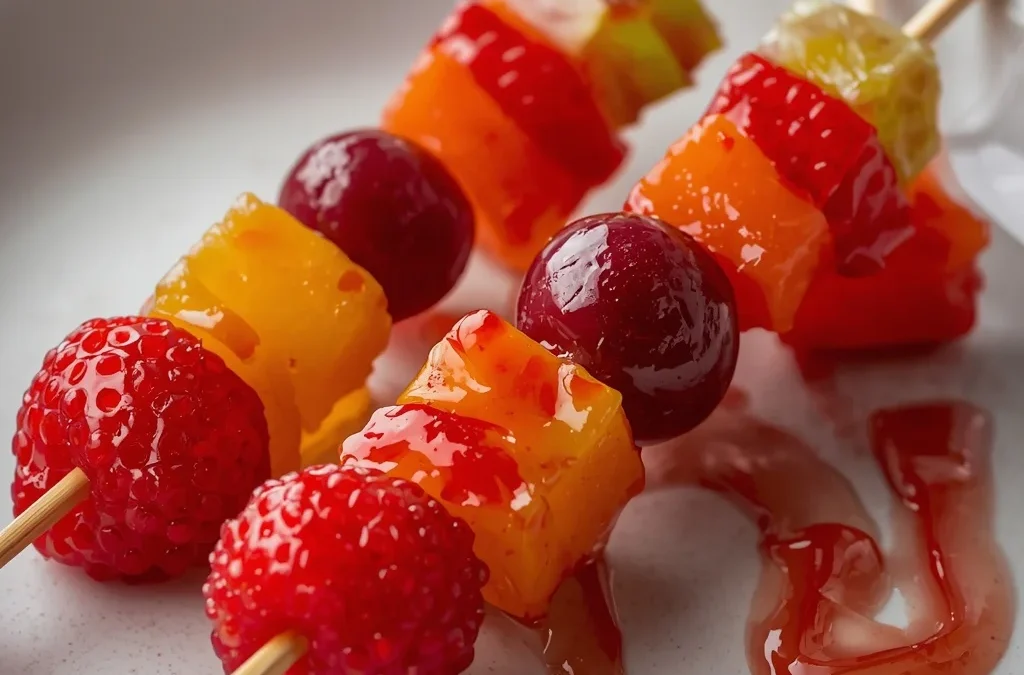
Tanghulu-Inspired Candied Fruit Skewers Recipe
- Total Time: 25 minutes
- Yield: 8 skewers 1x
Description
A Tanghulu-inspired candied fruit skewers recipe is a modern, home-kitchen adaptation of the beloved northern Chinese street food tradition. At its core, the dish consists of fresh, bite-sized pieces of fruit that are threaded onto long wooden sticks and dipped into a molten sugar syrup that hardens into a glass-like glaze. The contrast between the rock-hard, sweet exterior and the juicy, tangy fruit interior creates an extraordinary textural experience that keeps people coming back for more.
Ingredients
Scale
- 2 cups fresh strawberries, grapes, blueberries, or other firm fruit
- 2 cups granulated sugar
- ½ cup water
- 1 tbsp light corn syrup (optional, helps prevent crystallization)
- Wooden skewers
Instructions
- Prepare the fruit:
Wash the fruit and dry it very thoroughly. Any moisture can prevent the sugar coating from sticking properly. - Make the sugar syrup:
Add sugar, water, and corn syrup to a small saucepan. Heat over medium heat without stirring once the sugar has dissolved. - Cook the syrup:
Continue cooking until the syrup reaches about 150°C / 302°F (hard-crack stage). If you don’t have a thermometer, drop a little syrup into cold water—it should immediately form a hard, brittle thread. - Skewer the fruit:
Thread 3–5 pieces of fruit onto each wooden skewer, keeping the pieces fairly close together. - Coat the fruit:
Carefully dip each skewer into the hot syrup, turning quickly to coat the fruit with a thin layer. Let excess syrup drip back into the pan. - Let it set:
Place the skewers on parchment paper or a lightly greased surface. Allow the coating to cool for 5–10 minutes until completely hard and crunchy. - Serve immediately:
Enjoy the candied fruit while the sugar shell is crisp.
Notes
For the best results, make sure the fruit is completely dry before dipping. Enjoy the skewers immediately for a crisp, glass-like candy shell, and try mixing different fruits for a colorful and delicious treat!
- Prep Time: 15 minutes
- Cook Time: 10 minutes
- Category: Dessert / Snack
- Method: Stovetop
- Cuisine: Chinese
Nutrition
- Serving Size: 1 skewer
- Calories: ~180 kcal
