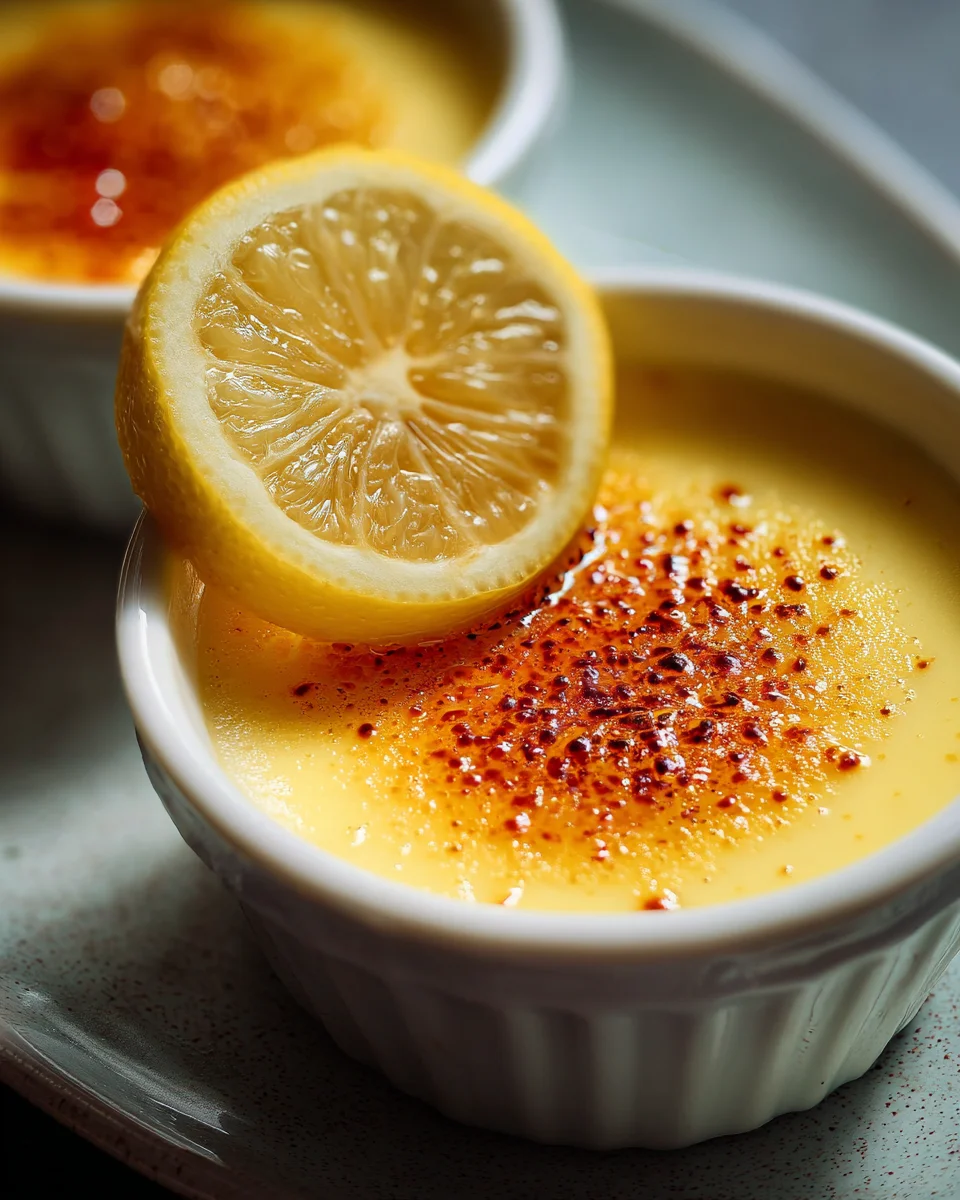
If you are looking for a dessert that combines the height of sophistication with the absolute minimum of effort, you have found it. The Lemon Posset Brûlée is a culinary miracle. It requires only three primary ingredients to create a silky, custard-like texture that feels like it belongs in a high-end French bistro. When you add the crackling, caramelized sugar topping of a brûlée, you elevate a simple historic pudding into a modern masterpiece.
There is something deeply satisfying about the contrast between the cold, tart cream and the warm, brittle sugar crust. Unlike a traditional crème brûlée, which requires the careful tempering of egg yolks and a nervous wait by the oven, this recipe relies on a simple scientific reaction between dairy and citrus. It is foolproof, elegant, and guaranteed to impress even the most discerning dinner guests.
What is a Lemon Posset Brûlée?
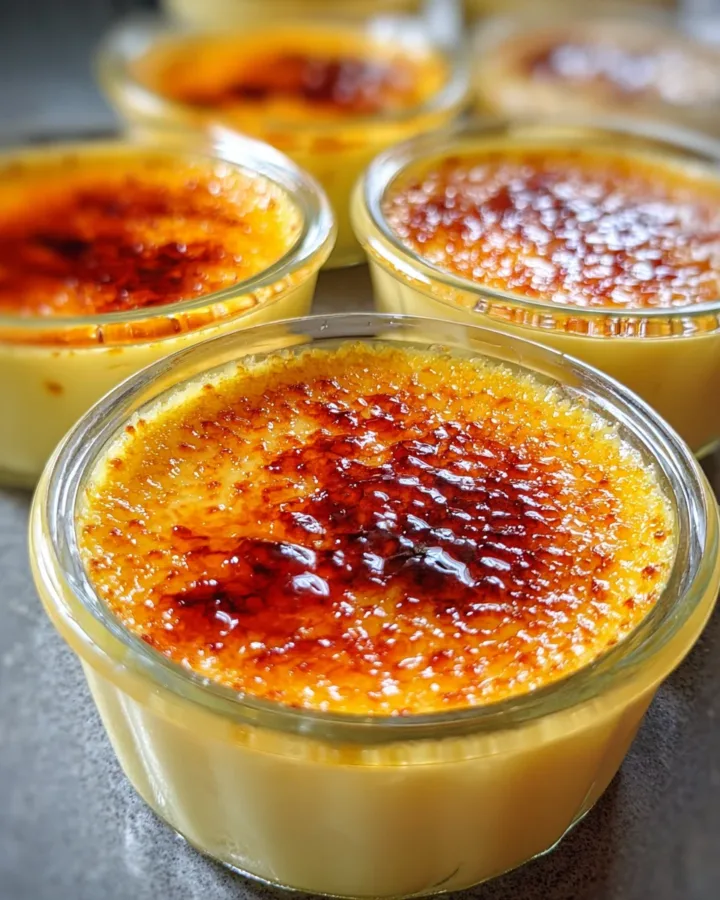
A Lemon Posset Brûlée is a chilled, set dessert made from heavy cream, sugar, and fresh lemon juice, finished with a flame-scorched sugar lid. To understand the texture, imagine something halfway between a panna cotta and a thick lemon curd. It is incredibly rich and velvety, yet the high acidity of the lemon cuts through the fat of the cream, leaving your palate feeling refreshed rather than weighed down.
The “brûlée” element is a contemporary twist on the classic British posset. By sprinkling sugar on top and caramelizing it with a torch, you add a layer of smoky sweetness and a satisfying “crunch” that perfectly complements the soft cream underneath. It is a dish that celebrates simplicity while delivering a complex sensory experience.
The Surprising Origin of Lemon Posset Brûlée
The history of the posset is quite fascinating and stretches back hundreds of years to medieval Britain. Originally, a posset was not a solid dessert at all, but rather a hot, curdled drink made of milk, ale or wine, and spices. It was often used as a remedy for colds or as a nightcap for the wealthy. Even Shakespeare mentioned possets in his plays, cementing their place in English cultural history.
As culinary techniques evolved during the sixteenth and seventeenth centuries, the recipe transitioned from a beverage to a thickened cream dessert. Chefs discovered that the citric acid in lemons could thicken heavy cream into a stable, spoonable consistency without the need for gelatin, cornstarch, or eggs. The modern Lemon Posset Brûlée we enjoy today is the refined descendant of those early experiments, combining old-world chemistry with the theatrical flair of caramelized sugar.
Ingredients for the Lemon Posset Brûlée
To ensure your dessert sets properly and tastes vibrant, you must use high-quality ingredients. Because there are no eggs or thickeners, the reaction depends entirely on the fat content of your cream and the acidity of your fruit.
The Cream Base
-
Two cups of heavy cream: It is vital to use heavy cream or double cream with a high fat content. Lower-fat alternatives like half-and-half or whole milk will not thicken sufficiently to create that signature spoonable texture.
-
Three quarters of a cup of granulated sugar: This provides the sweetness necessary to balance the intense tartness of the citrus.
The Citrus Component
-
Two tablespoons of fresh lemon zest: The zest contains the essential oils that provide a deep, aromatic lemon flavor.
-
Five tablespoons of fresh lemon juice: This is the most critical ingredient. The acid in the juice reacts with the proteins in the cream to thicken it. Always use freshly squeezed juice; bottled juice lacks the brightness and the specific acidity levels needed for a perfect set.
The Brûlée Topping
-
Three to four tablespoons of extra granulated sugar: You will use this at the very end to create that iconic burnt-sugar crust.
Step by Step Direction and Preparation Method: Lemon Posset Brûlée
Follow these instructions carefully to achieve a smooth, professional-grade Lemon Posset Brûlée. The process is quick, but the details matter.
Heating and Dissolving
In a heavy-bottomed saucepan, combine your two cups of heavy cream and the three quarters of a cup of granulated sugar. Place the pan over medium heat. You want to bring this mixture to a gentle, rolling boil. Stay close to the stove and stir constantly with a whisk or a heat-proof spatula to ensure the sugar dissolves completely and the cream does not scorch on the bottom of the pan.
The Essential Simmer
Once the mixture reaches a boil, reduce the heat slightly to maintain a steady simmer. Let it bubble for approximately three to four minutes. This step is vital because it reduces the water content in the cream slightly and begins the thickening process. If you skip this simmering stage, your posset may turn out too runny to hold the weight of the brûlée topping later.
Incorporating the Lemon
Remove the saucepan from the heat entirely. Stir in the two tablespoons of lemon zest and the five tablespoons of fresh lemon juice. Almost immediately, you will notice the cream beginning to thicken and take on a slightly glossy appearance. This is the acid doing its work. Let the mixture sit in the pan for about five minutes to infuse the zest flavors.
Straining and Pouring
For the smoothest possible mouthfeel, I highly recommend straining the mixture through a fine-mesh sieve into a clean pitcher or bowl. This removes the bits of zest and any accidental clumps. Once strained, pour the liquid cream into individual ramekins or small serving glasses. This recipe typically fills four to six small containers, depending on their size.
The Chilling Phase
Allow the ramekins to cool to room temperature on your counter before moving them to the refrigerator. Cover them loosely with plastic wrap to prevent a skin from forming or the cream from absorbing other fridge odors. Refrigerate for a minimum of four hours, though leaving them overnight is even better. The cold environment allows the structure to fully stabilize.
Creating the Brûlée Crust
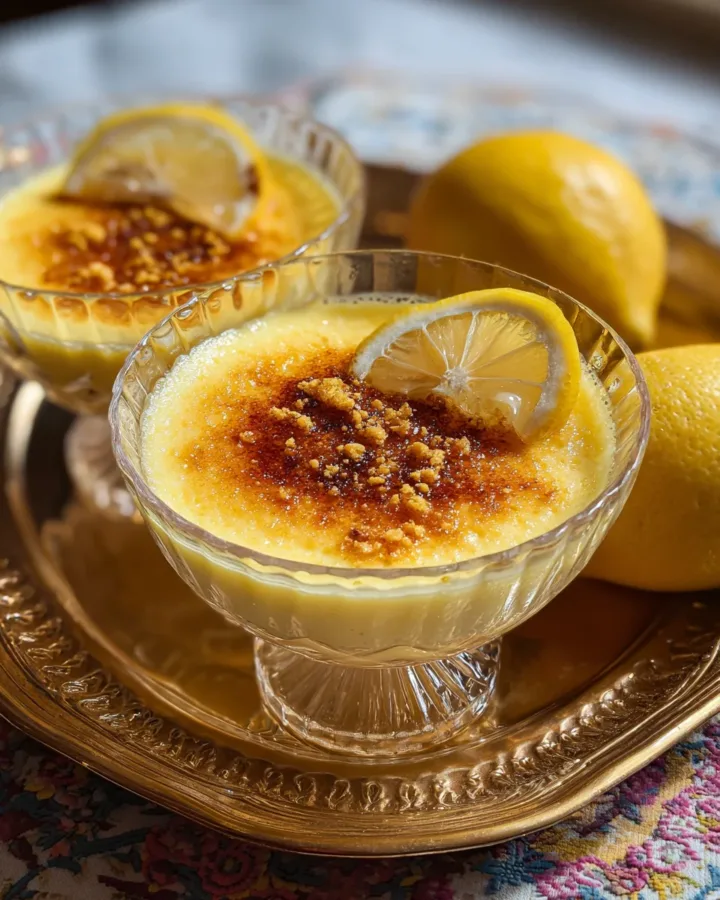
Just before you are ready to serve, remove the cold ramekins from the fridge. Use a paper towel to gently blot any moisture or condensation from the top of the cream. Sprinkle a thin, even layer of granulated sugar over the entire surface.
Using a kitchen torch, move the flame in a circular motion about two inches above the sugar. Watch as it melts, bubbles, and eventually turns a deep amber brown. If you do not have a torch, you can place the ramekins under a very hot broiler for one or two minutes, but you must watch them every second to prevent the sugar from burning too quickly.
The Final Touch
Let the sugar harden for one or two minutes. It will transform into a glass-like sheet. Serve immediately so your guests can experience the joy of cracking through the warm sugar into the cold, citrusy cream below.
Variations on the Lemon Posset Brûlée
While the standard lemon version is a classic for a reason, you can easily adapt this recipe to suit your preferences or the season.
Alternative Citrus Flavors
You can replace the lemon with other high-acid citrus fruits. A Lime Posset Brûlée offers a more tropical, zesty punch that is perfect for summer. You can also use a mixture of blood orange and lemon juice for a beautiful pink hue and a more complex, floral sweetness.
Infused Creams
To add depth, you can infuse the cream while it simmers. Adding a split vanilla bean or a teaspoon of pure vanilla extract creates a “creamsicle” effect. For a more botanical twist, try steeping a sprig of fresh thyme or some dried lavender in the hot cream before straining.
Fruit and Garnish Options
If you want a contrast in texture and flavor, place a few fresh raspberries or blueberries at the bottom of the ramekin before pouring in the cream. You can also serve the finished Lemon Posset Brûlée with a side of shortbread cookies to provide a buttery, crumbly element that pairs beautifully with the smooth custard.
FAQs for Making the Best Lemon Posset
Why did my posset not set?
The most common reason a posset stays liquid is using cream with too low a fat content or not using enough fresh lemon juice. If your lemons were not very juicy or acidic, the chemical reaction won’t be strong enough to thicken the fat. Additionally, ensure you simmered the cream for the full three to four minutes.
Can I make this Lemon Posset Brûlée in advance?
Absolutely. In fact, the cream base is an excellent make-ahead option. You can keep the set creams in the refrigerator for up to three days. However, you must wait to add the sugar and torch the top until the moment you are ready to serve. If you brûlée the tops and then put them back in the fridge, the moisture will dissolve the sugar crust, and you will lose the “crack.”
Is a kitchen torch necessary?
While a kitchen torch gives you the most control and the most even caramelization, it is not strictly required. As mentioned, a broiler can work, though it tends to heat the cream underneath more than a torch would. Another old-fashioned method is heating a metal spoon over a gas flame until it is red-hot and pressing it onto the sugar.
Can I use a sugar substitute for the brûlée?
For the cream base, some sugar alternatives may work, but for the brûlée topping, you really need real granulated sugar. Sugar substitutes like stevia or erythritol do not caramelize or harden into a brittle sheet in the same way that sucrose does.
Achieving Professional Results at Home
To truly surpass the quality of desserts found on other websites, focus on the temperature and the “snap” of your sugar. A common mistake is piling the sugar too thick on top. You want a thin, uniform layer so that the heat of the torch can melt it quickly without heating up the cold cream underneath.
Another secret is the quality of your lemons. Look for lemons that have thin skins and feel heavy for their size; these usually have the highest juice content and the most potent acidity. If you find your posset is a bit too tart for your liking, you can slightly increase the sugar in the cream base by one or two tablespoons next time, but do not decrease the lemon juice, or it will not set.
Conclusion: Lemon Posset Brûlée
Mastering the Lemon Posset Brûlée is a fantastic way to add a high-impact, low-stress dessert to your culinary repertoire. It represents the perfect marriage of historical British tradition and classic French technique. By taking the time to simmer the cream, massage out the zest’s oils, and carefully torch the sugar topping, you create a dish that is far greater than the sum of its three simple parts. This dessert proves that you do not need a kitchen full of gadgets or a shelf full of exotic ingredients to create something truly memorable. Whether you are hosting an intimate dinner party or simply want to treat yourself to a bit of luxury on a weeknight, this creamy, citrusy, and crisp treat is the ultimate solution for any sweet craving.
Print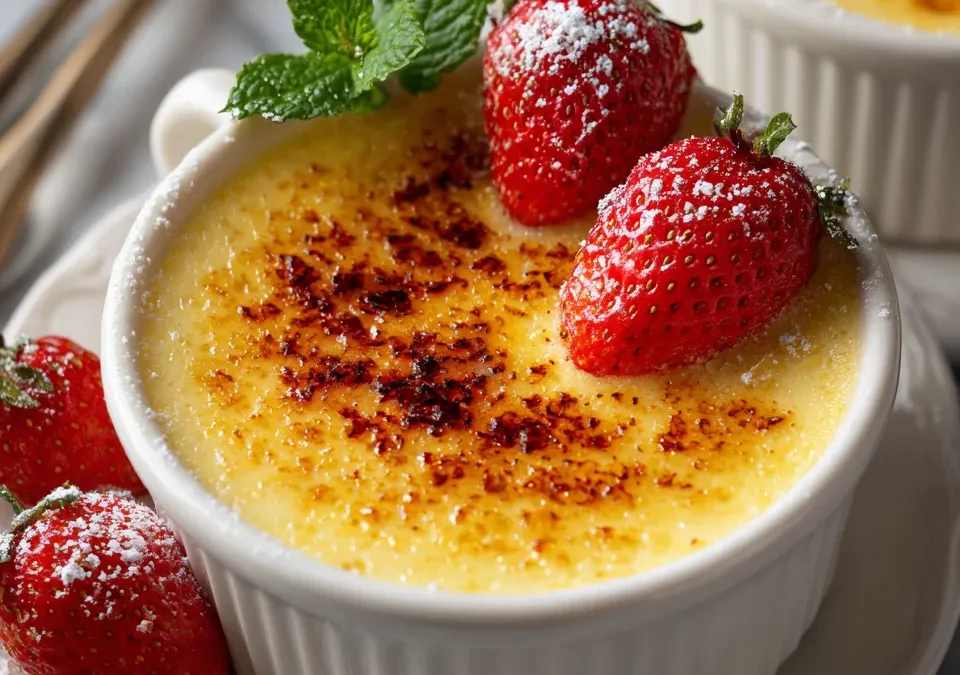
The Ultimate Elegant Lemon Posset Brûlée Recipe
- Total Time: 4 hours 20 minutes
- Yield: 4 servings 1x
- Diet: Vegetarian
Description
A Lemon Posset Brûlée is a chilled, set dessert made from heavy cream, sugar, and fresh lemon juice, finished with a flame-scorched sugar lid. To understand the texture, imagine something halfway between a panna cotta and a thick lemon curd. It is incredibly rich and velvety, yet the high acidity of the lemon cuts through the fat of the cream, leaving your palate feeling refreshed rather than weighed down.
Ingredients
- 2 cups heavy cream
- ¾ cup granulated sugar
- 2 tbsp fresh lemon zest
- 5 tbsp fresh lemon juice
- 3–4 tbsp sugar (for brûlée topping)
Instructions
- Heat the cream
In a saucepan, combine heavy cream and sugar. Bring to a gentle boil over medium heat, stirring until sugar dissolves. - Simmer
Let it simmer for 3–4 minutes. This helps the mixture thicken naturally. - Add lemon
Remove from heat and stir in lemon zest and lemon juice. The acid will thicken the cream. - Strain & pour
Strain the mixture to remove zest (optional for smoother texture), then pour into ramekins or serving glasses. - Chill
Refrigerate for at least 4 hours (or overnight) until set. - Brûlée topping
Sprinkle a thin, even layer of sugar on top of each posset.
Use a kitchen torch to caramelize until golden and crisp. - Serve
Let the sugar harden for 1–2 minutes, then crack and enjoy!
Notes
This Lemon Posset Brûlée is a beautifully simple yet elegant dessert, combining bright citrus flavor with a rich, creamy texture and a perfectly crisp caramelized top. It’s an impressive make-ahead treat that feels fancy but comes together with minimal effort—perfect for special occasions or a refreshing finish to any meal
- Prep Time: 10 minutes
- Cook Time: 10 minutes
- Category: Dessert
- Method: Chilled
- Cuisine: British
Nutrition
- Serving Size: 1 ramekin
- Calories: 420 kcal
Keywords: Caramelized Lemon Posset, Burnt Sugar Lemon Cream, Brûléed Citrus Posset, Broiled Lemon Custard Dessert.
