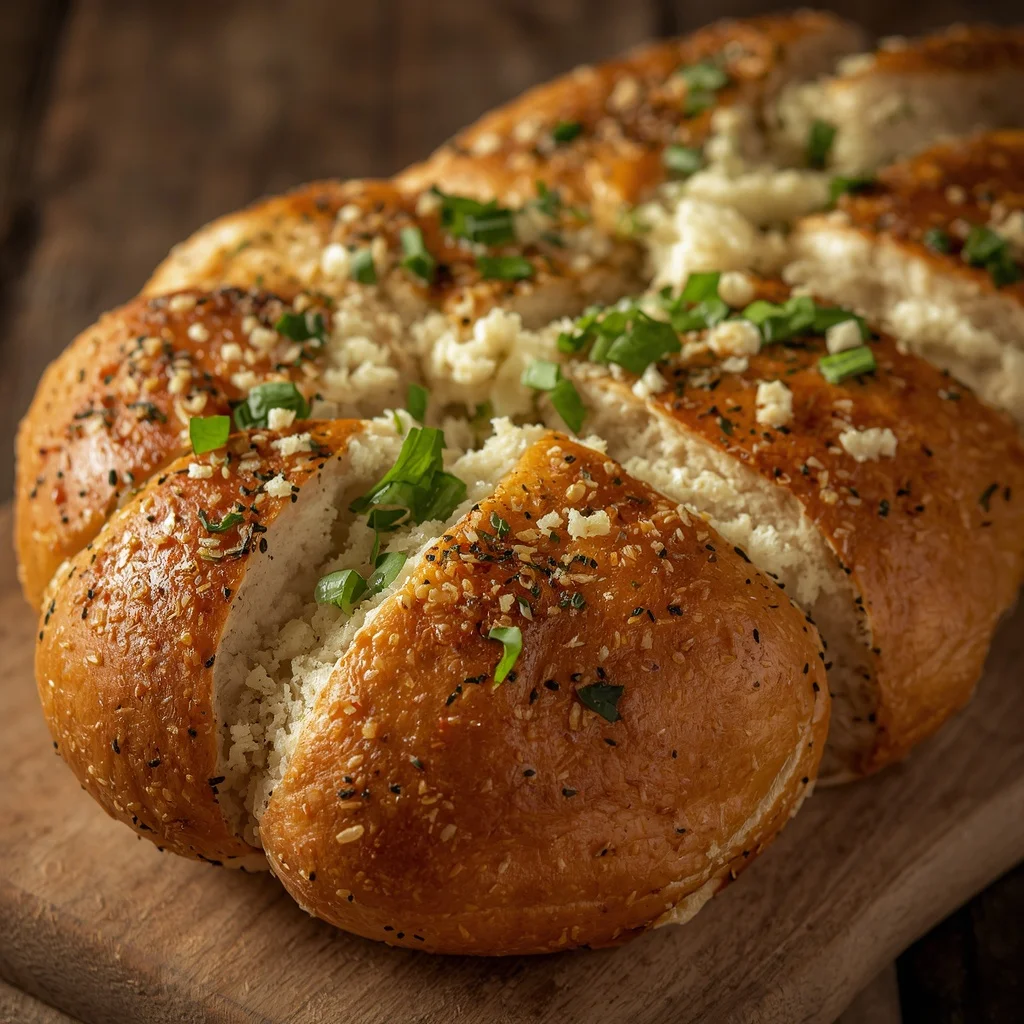
When you imagine the warm, inviting aromas of a classic Middle Eastern bakery, the earthy perfume of dried thyme, toasted sesame, and tangy sumac instantly comes to mind. That distinctive aroma belongs to za’atar, a staple herb blend that has defined regional baking for generations. Combining that bold seasoning with rich, molten cheese results in one of the most comforting foods imaginable. Today, we are taking those classic flavors and transforming them into an interactive, crowd-pleasing showstopper: the Za’atar Cheese Manakish Pull-Apart Bread.
This recipe bridges the gap between traditional Levantine flatbreads and modern, soft-baked tear-and-share loaves. Each individual pocket of dough hides a rich, savory filling of stretchable mozzarella, salty crumbled feta, and authentic herb paste. As it bakes, the surface develops a rich golden crust while remaining tender and soft inside. Whether you are hosting a lively family gathering, setting up a Mediterranean appetizer spread, or simply craving a homemade baking project, this step-by-step guide will help you create a bakery-quality masterpiece right in your own kitchen.
What is Za’atar Cheese Manakish Pull-Apart Bread?
To truly appreciate this recipe, it helps to understand what makes it so special. A standard manakish (often spelled man’ousheh in the singular) is a popular Levantine flatbread topped with olive oil and herb seasoning, meat, or cheese. It is traditionally baked at very high heat in a brick oven, creating a thin, crisp crust with a chewy interior. It is an iconic breakfast food across countries like Lebanon, Syria, Jordan, and Palestine, usually enjoyed hot alongside fresh vegetables, olives, and warm tea.
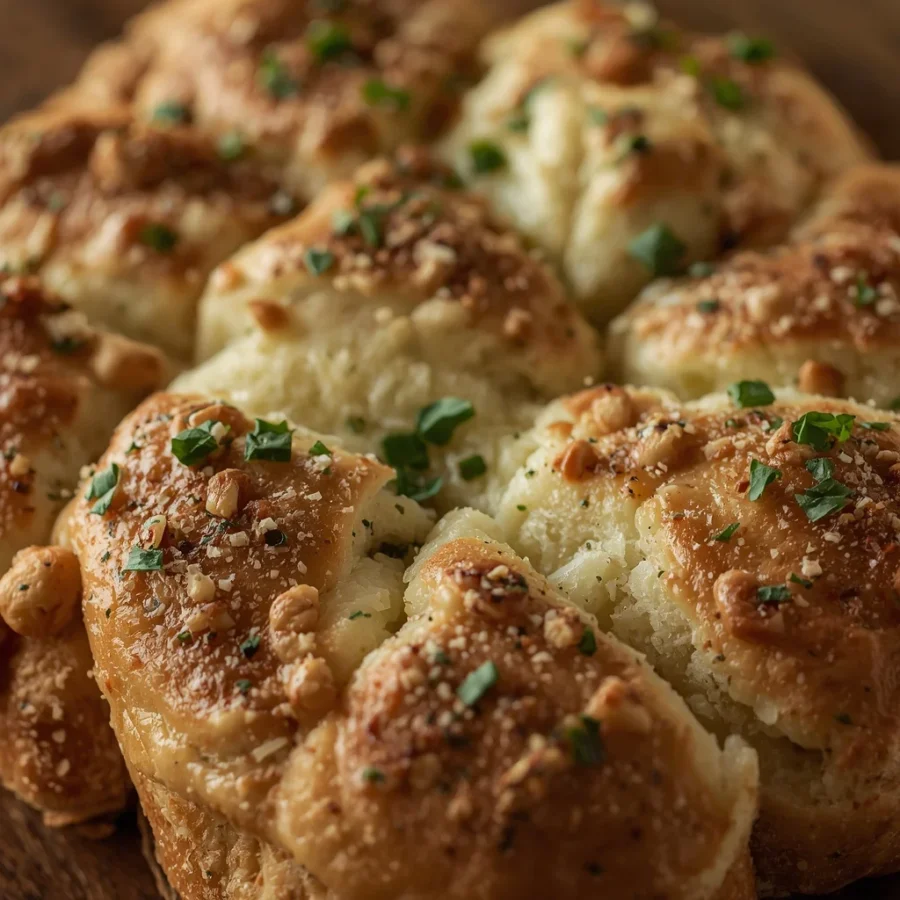
Our Za’atar Cheese Manakish Pull-Apart Bread takes every core element of that beloved street food and adapts it into a soft, pillowy loaf made of small, stuffed dough balls nestled together in a pan. Instead of spreading the herb blend and cheese on top of a single flat dough disc, every single piece of dough is stuffed with a rich combination of cheeses and fragrant herb paste before being baked together. As the individual dough balls rise and expand against one another, they weld into a single, beautiful bread structure. When served, guests can simply reach in and pull away individual golden portions, releasing steam and stretched cheese with every piece.
The appeal of this dish lies in its balance of textures and flavors. The exterior is brushed with butter and extra virgin olive oil, giving it a slight crunch and deep golden color. Inside, the crumb remains exceptionally tender thanks to a enriched dough made with warm milk and olive oil. The interior contrast between the sharp, salty feta, the creamy melt of mozzarella, and the herbal zest of za’atar ensures that every single bite delivers a full explosion of Mediterranean flavor.
The Cultural Origin of za’atar cheese manakish pull-apart bread
The roots of this dish trace deep into the heart of the Levant, a region historically rich in culinary artistry. For centuries, village bakers and home cooks across the Eastern Mediterranean would prepare fresh dough in the morning and carry it to communal neighborhood ovens. The most common and affordable topping was a mixture of wild thyme gathered from the hillsides, combined with local olive oil pressed from the autumn harvest. This simple, nourishing combination formed the original manakish.
The word itself comes from the Arabic root verb naqasha, which translates to “to engrave” or “to sculpt.” This refers to the traditional preparation technique where the baker presses their fingertips into the flattened dough to create small divots. These small depressions prevent the flatbread from puffing up like a balloon while baking, and they serve as little pools to hold the aromatic olive oil and herb paste. Over time, as dairy production expanded, cheeses like Akkawi, Nabulsi, and Kashkaval were added to the dough alongside or on top of the herbs, creating the legendary cheese-and-herb combinations celebrated today.
The modern pull-apart bread concept is a playful homage to these traditional origins. Tear-and-share loaves gained massive international popularity in home kitchens because they promote interactive, communal dining. By merging the structural technique of American monkey bread or pull-apart rolls with the time-tested flavor profile of Levantine flatbreads, this dish pays homage to centuries of baking tradition while giving it a fresh, accessible format for contemporary kitchens.
Essential Ingredients and Quantities: za’atar cheese manakish pull-apart bread
Achieving the perfect texture and flavor profile requires quality ingredients measured with care. Below is everything you need to assemble this aromatic loaf, separated by its structural components.
Ingredients for the Soft Dough
-
All-Purpose Flour: Three and one half cups. This forms the primary structure of our soft, pliable dough.
-
Instant Yeast: Two and one quarter teaspoons (which equals one standard packet). This ensures a reliable and steady rise.
-
Granulated Sugar: One tablespoon. Provides a tiny touch of sweetness to balance the salty cheese and feeds the active yeast.
-
Salt: One teaspoon. Essential for strengthening the gluten lattice and highlighting all the surrounding flavors.
-
Warm Milk: One cup. The fats and natural sugars in warm milk yield a tender, soft, and moist bread crumb.
-
Warm Water: One quarter cup. Helps achieve the exact dough hydration required for easy handling and shaping.
-
Olive Oil: One quarter cup. Infuses the dough itself with a subtle fruitiness and keeps the baked bread soft for days.
-
Large Egg: One egg, brought to room temperature. Adds structure, rich color, and elasticity to the dough matrix.
Aromatic Filling
-
Shredded Mozzarella Cheese: Two cups. Delivers that classic, irresistible cheese stretch and mild creamy flavor.
-
Crumbled Feta Cheese: One cup. Introduces a sharp, salty contrast that cuts through the rich dough and herbal oils.
-
Za’atar Seasoning: Three tablespoons. A fragrant blend composed of wild thyme, toasted sesame seeds, sumac, and salt.
-
Extra Virgin Olive Oil: Two tablespoons. Used to hydrate the herb mix into a thick, easily spreadable paste.
Ingredients for the Topping and Finish
-
Unsalted Butter: Two tablespoons, fully melted. Gives the crust a golden finish and rich bakery aroma.
-
Extra Virgin Olive Oil: One tablespoon. Mixed with the melted butter for an authentic sheen and taste.
-
Za’atar Seasoning: One teaspoon. Sprinkled over the surface before baking for extra color and herbal flavor.
-
Sesame Seeds: One tablespoon (optional). Adds a light nuttiness and delicate crunch to the top of the loaf.
-
Fresh Parsley: Chopped fine (optional). Used as a bright green garnish just before serving.
Step-by-Step Directions and Preparation Method: za’atar cheese manakish pull-apart bread
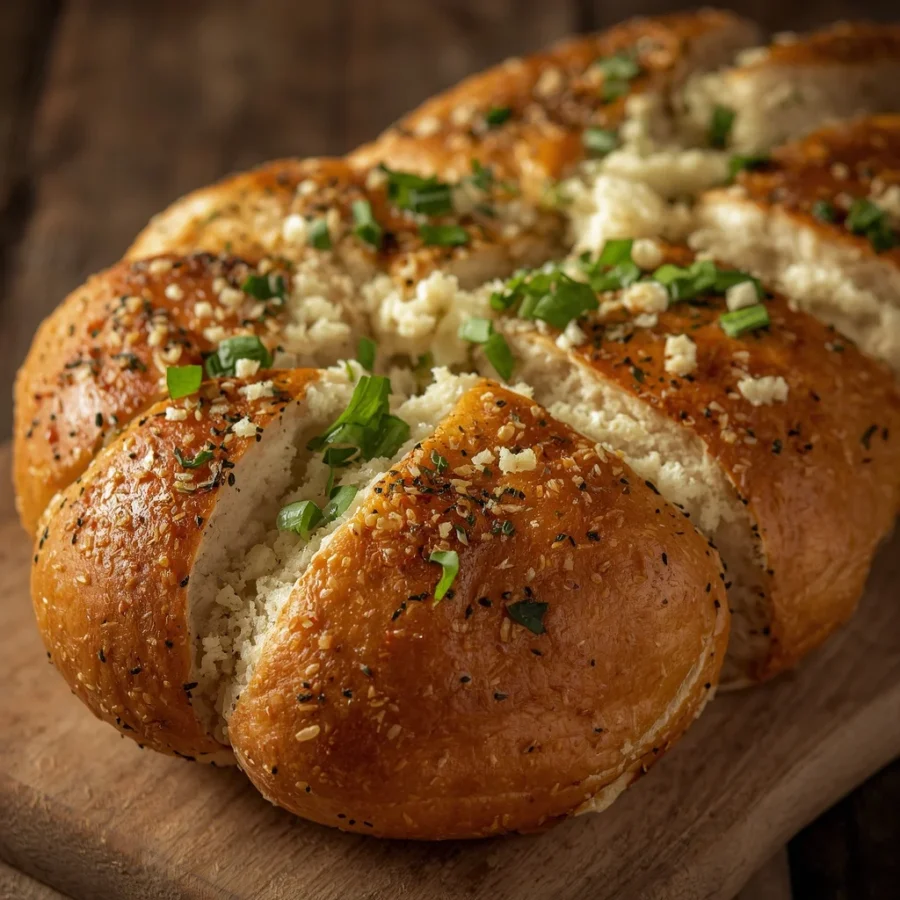
Creating homemade yeast bread might feel intimidating if you are new to baking, but breaking the process down into clear steps makes it straightforward and deeply satisfying. Follow these directions carefully for a perfect result.
Step One: Mixing and Kneading the Dough
To begin, bring out a large mixing bowl or the bowl of your stand mixer. Combine three and one half cups of all-purpose flour, two and one quarter teaspoons of instant yeast, one tablespoon of sugar, and one teaspoon of salt. Whisk these dry ingredients together thoroughly so the yeast and salt are evenly distributed throughout the flour mixture.
Next, gently warm your liquid ingredients. You want the milk and water to be comfortably warm to the touch, not hot. Pour one cup of warm milk, one quarter cup of warm water, one quarter cup of olive oil, and one large egg directly into the center of the dry flour mixture.
Using a sturdy wooden spoon or a dough hook attachment on your mixer, stir the ingredients together until a shaggy, cohesive dough begins to form. If you are mixing by hand, turn the dough out onto a lightly floured work surface. Knead the dough continuously for eight to ten minutes. If using a stand mixer, knead on medium-low speed for six to eight minutes. You are looking for a surface that becomes noticeably smooth, supple, and elastic, springing back gently when pressed with a fingertip.
Lightly oil a clean bowl with a few drops of olive oil. Form your kneaded dough into a neat ball, place it inside the bowl, and roll it around briefly so the surface is lightly coated in oil. Cover the top tightly with plastic wrap or a clean damp kitchen towel. Set the bowl in a warm, draft-free spot in your kitchen and let it rest for sixty to ninety minutes. The dough is ready when it has expanded to roughly twice its original bulk.
Step Two: Mixing the Flavorful Fillings
While your dough is undergoing its first rise, prepare the components that will go inside each piece. In a medium mixing bowl, combine two cups of shredded mozzarella cheese with one cup of crumbled feta cheese. Toss them together using a fork until the sharp feta is evenly distributed throughout the smooth mozzarella.
In a separate smaller bowl, stir together three tablespoons of za’atar seasoning with two tablespoons of extra virgin olive oil. Stir until a thick, uniform paste forms. This step hydrates the dried herbs and sumac, allowing their oils to bloom so they don’t draw moisture out of the dough while baking.
Step Three: Shaping and Stuffing the Pull-Apart Balls
Prepare a nine-inch round cake pan or springform pan by greasing the bottom and inner sides with olive oil or butter. You can also line the bottom with a circle of parchment paper for extra insurance against sticking.
Uncover your fully risen dough and gently press your fist into the center to release the built-up carbon dioxide gas. Transfer the dough onto a clean, un-floured work surface. Using a bench scraper or a sharp knife, divide the entire dough mass into twenty-four to thirty roughly equal pieces.
Take one small piece of dough and flatten it out using the palm of your hand into a small disc, about two to three inches in diameter. Try to keep the edges slightly thinner than the center. Using a small spoon, place a light dab of the prepared za’atar paste right in the center of the disc. Top the paste with about one tablespoon of your mixed cheese blend.
Carefully bring the outer edges of the dough circle up and over the filling, gathering them together at the top. Pinch the edges together tightly to form a secure seal, ensuring no cheese or paste can leak out during baking. Roll the stuffed dough gently between your hands to round it out into a smooth ball. Place the stuffed ball seam-side down in your prepared pan. Repeat this process with all remaining dough pieces, arranging them side-by-side in concentric circles in the pan. They should fit snugly together, with small gaps between them.
Step Four: The Crucial Second Rise
Once all the stuffed dough balls are neatly arranged inside the pan, cover the pan loosely with a clean kitchen towel. Place it in a warm area for thirty to forty minutes. During this resting period, the yeast will produce new gas, causing the individual dough balls to swell, puff up, and press tight against one another, filling in all the empty spaces.
Step Five: Baking to Golden Perfection
While the bread is finishing its second rise, preheat your oven to three hundred and fifty degrees Fahrenheit.
In a small cup, stir together two tablespoons of melted butter and one tablespoon of extra virgin olive oil. Gently brush this rich mixture over the puffy tops of the risen dough balls using a soft pastry brush. Be gentle so you don’t deflate the dough. Sprinkle one teaspoon of extra dry za’atar and one tablespoon of sesame seeds evenly across the brushed surface.
Place the pan onto the center rack of your preheated oven. Bake for thirty to thirty-five minutes. Keep an eye on the oven around the twenty-five-minute mark. You want the loaf to turn a rich, golden brown color and cook through to the center. If you notice the top browning too rapidly while the center still appears pale, lay a sheet of aluminum foil loosely over the top of the pan for the final ten minutes of baking.
Step Six: Finishing Touches and Serving
Remove the baked bread from the oven and place the pan onto a wire cooling rack. Immediately brush the hot crust with any remaining butter and olive oil mixture to give it a stunning sheen and extra moisture. Sprinkle finely chopped fresh parsley over the top for a pop of fresh green color.
Let the pan cool for roughly ten minutes. This cooling window allows the melted cheeses inside to settle slightly so they don’t completely run out when served. Serve the bread warm right in the pan, or run a butter knife around the inner edge, release the springform ring, and transfer the loaf to a serving platter.
Flavor Variations and Recipe Adaptations: za’atar cheese manakish pull-apart bread
One of the best aspects of this recipe is its flexibility. Once you master the basic dough and shaping technique, you can adapt the fillings to suit different dietary preferences or taste profiles.
Alternative Cheese Combinations
While mozzarella and feta offer an ideal balance of stretch and salty bite, you can experiment with traditional Levantine cheeses:
-
Akkawi or Nabulsi Cheese: If you have access to a Middle Eastern grocery store, try using authentic Akkawi or Nabulsi cheese. Be sure to soak these brined cheeses in cold water for a few hours prior to baking to remove excess salt, then shred or crumble them finely.
-
Kashkaval Cheese: This semi-hard sheep’s milk cheese melts beautifully and brings a subtle, buttery sharpness similar to aged provolone.
-
Monterey Jack or Sharp Cheddar: For a Western fusion twist, swap the feta for sharp cheddar or Monterey Jack to create a deeper, earthier cheese profile that pairs wonderfully with the sumac in the za’atar.
Adding Savory Proteins and Vegetables
If you want to transform this side dish into a hearty meal, consider incorporating extra savory elements directly into the cheese stuffing:
-
Spiced Lamb or Beef (Hashweh): Sauté ground lamb or beef with diced onions, cinnamon, and allspice until fully cooked and browned. Cool the meat completely, then mix a few tablespoons into the cheese filling.
-
Sun-Dried Tomatoes and Olives: Finely chop pitted Kalamata olives and oil-packed sun-dried tomatoes, tossing them into the cheese mixture for an added burst of Mediterranean acidity.
-
Sautéed Spinach or Kale: Wilt fresh spinach with a touch of garlic, squeeze out all excess moisture thoroughly, and mix it into the feta for a savory green twist reminiscent of Greek spanakopita.
What to Serve with Your Manakish Bread
This pull-apart loaf is exceptionally versatile at the dinner table. It shines brightest when served warm alongside complementary dips, fresh salads, and traditional beverages.
+-----------------------------------------------------------------------+
|                       PERFECT PAIRING OPTIONS                         |
+-------------------+-------------------------------+-------------------+
|  Creamy Dips      |  Fresh Vegetables             |  Beverages        |
+-------------------+-------------------------------+-------------------+
|  • Tangy Labneh   |  • Cucumber & Tomato Salad    |  • Hot Mint Tea   |
|  • Smooth Hummus  |  • Pickled Turnips & Olives   |  • Fresh Lemonade |
|  • Baba Ganoush   |  • Roasted Red Peppers        |  • Turkish Coffee |
+-------------------+-------------------------------+-------------------+
Serving this bread warm with a bowl of thick, tangy labneh drizzled with extra virgin olive oil creates an incredible contrast against the rich melted cheese inside the dough. A fresh, crunchy salad dressed in lemon juice and olive oil provides a refreshing palate cleanser between rich, warm bites of bread.
Essential Baking Tips for the Best Results: za’atar cheese manakish pull-apart bread
-
Check Your Yeast: Always make sure your yeast is fresh and active before mixing it into the flour. Warm liquids should be lukewarm to the touch; temperatures that are too hot will kill the yeast, preventing your dough from rising properly.
-
Seal the Dough Balls Securely: When stuffing the individual dough portions, take extra care to pinch the bottom seams shut tightly. If the seal is loose, the melting mozzarella will escape during baking and burn against the bottom of the pan.
-
Control the Oven Heat: Because this bread is quite thick and densely packed, baking at the recommended three hundred and fifty degrees Fahrenheit ensures the center bakes completely through without scorching the exterior.
-
Reheating Leftovers: If you have leftover portions, place them on a parchment-lined baking sheet and heat in an oven set to three hundred and twenty-five degrees Fahrenheit for eight to ten minutes. This restores the crispness of the outer crust and turns the cheese interior gooey again.
Frequently Asked Questions: za’atar cheese manakish pull-apart bread
Can I make the dough ahead of time?
Yes, you can easily prepare the dough in advance. After kneading the dough in step one, place it in an oiled bowl, cover it tightly with plastic wrap, and place it directly into the refrigerator overnight. The cool temperature slows down the fermentation process. The following day, bring the dough out to room temperature for about thirty to forty-five minutes before punching it down, shaping, and stuffing as directed.
What can I substitute if I cannot find za’atar seasoning in my local store?
If you cannot locate a pre-made blend, you can blend a quick substitute at home using common pantry herbs. Mix two tablespoons of dried thyme or dried oregano with one tablespoon of toasted sesame seeds, one tablespoon of ground sumac, and half a teaspoon of fine salt. Ground sumac gives za’atar its signature tart, lemony tang, so try not to skip it.
Why did my dough fail to rise properly?
Dough fails to rise primarily for two reasons: inactive yeast or liquid temperatures that were too high. Liquid that exceeds normal body temperature will destroy the yeast culture. Additionally, if your kitchen is particularly cold or drafty, the rise time can take significantly longer. Try placing your covered dough inside an turned-off oven with the interior light turned on to create a warm, draft-free rising environment.
Can I freeze this bread after baking?
Absolutely. Allow the baked loaf to cool completely to room temperature. Wrap the entire loaf tightly in a double layer of plastic wrap, followed by a layer of heavy-duty aluminum foil. Freeze for up to two months. To serve, thaw the wrapped loaf overnight in the refrigerator, remove the plastic wrapping, wrap loosely in foil, and warm in a three-hundred-and-twenty-five-degree oven for fifteen to twenty minutes until heated through.
Conclusion: za’atar cheese manakish pull-apart bread
The Za’atar Cheese Manakish Pull-Apart Bread brings the aromatic charm of Middle Eastern baking directly to your home kitchen in a fun, shareable package. Combining a tender dough with gooey cheese and vibrant spices, this recipe creates a memorable centerpiece for any gathering. Gather your ingredients, enjoy the process of kneading and shaping, and treat your family to a golden, flavorful loaf fresh from the oven.
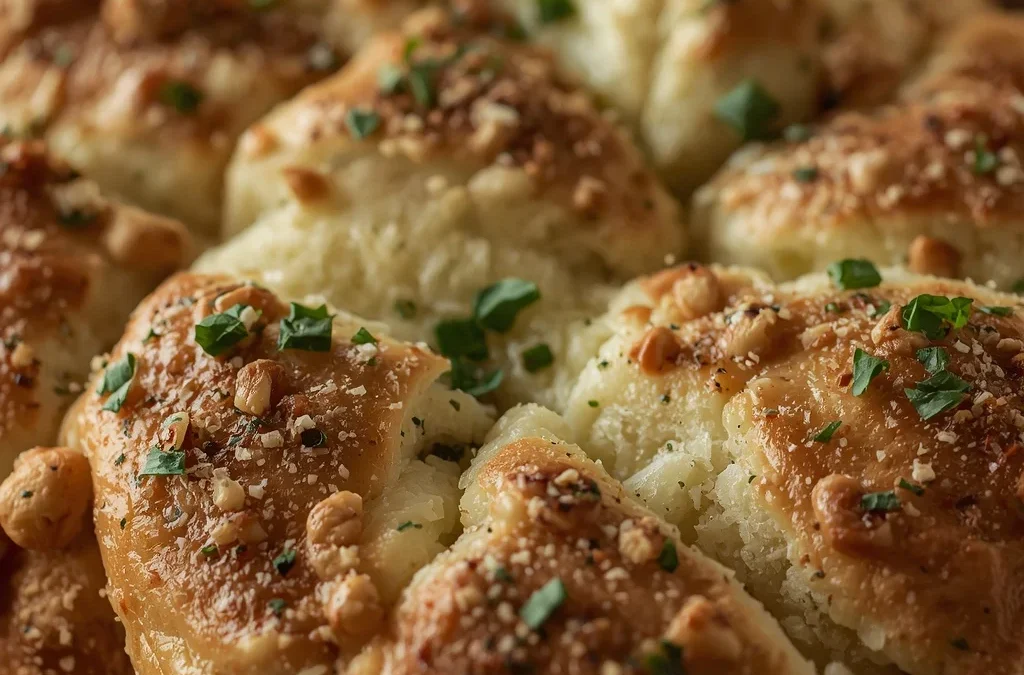
Za’atar Cheese Manakish Pull-Apart Bread Recipe
- Total Time: 3 hours
- Yield: 10 servings 1x
- Diet: Vegetarian
Description
To truly appreciate this recipe, it helps to understand what makes it so special. A standard manakish (often spelled man’ousheh in the singular) is a popular Levantine flatbread topped with olive oil and herb seasoning, meat, or cheese. It is traditionally baked at very high heat in a brick oven, creating a thin, crisp crust with a chewy interior. It is an iconic breakfast food across countries like Lebanon, Syria, Jordan, and Palestine, usually enjoyed hot alongside fresh vegetables, olives, and warm tea.
Ingredients
For the Dough
- 3½ cups (440 g) all-purpose flour
- 2¼ tsp (1 packet) instant yeast
- 1 tbsp sugar
- 1 tsp salt
- 1 cup (240 ml) warm milk
- ¼ cup (60 ml) warm water
- ¼ cup (60 ml) olive oil
- 1 large egg
For the Filling
- 2 cups shredded mozzarella cheese
- 1 cup crumbled feta cheese
- 3 tbsp za’atar seasoning
- 2 tbsp extra virgin olive oil
For Topping
- 2 tbsp melted butter
- 1 tbsp olive oil
- 1 tsp za’atar
- 1 tbsp sesame seeds (optional)
- Fresh parsley, chopped (optional)
Instructions
Step 1: Make the Dough
- In a large bowl, combine flour, yeast, sugar, and salt.
- Add warm milk, warm water, olive oil, and egg.
- Mix until a soft dough forms.
- Knead for 8–10 minutes until smooth and elastic.
- Place the dough in a lightly oiled bowl, cover, and let rise for 60–90 minutes, or until doubled.
Step 2: Prepare the Filling
- Mix mozzarella and feta together.
- In a separate small bowl, combine za’atar with olive oil to create a thick paste.
Step 3: Shape the Bread
- Grease a 9-inch round cake pan or springform pan.
- Punch down the risen dough.
- Divide into 24–30 equal pieces.
- Flatten each piece into a small circle.
- Spread a little za’atar paste in the center.
- Add about 1 tablespoon of the cheese mixture.
- Pinch the edges closed to form a ball.
- Arrange the balls seam-side down in the prepared pan.
Step 4: Second Rise
- Cover loosely and let rise for 30–40 minutes until puffy.
Step 5: Bake
- Preheat oven to 350°F (175°C).
- Brush the tops with melted butter mixed with olive oil.
- Sprinkle with additional za’atar and sesame seeds.
- Bake for 30–35 minutes, until golden brown and cooked through.
Step 6: Finish
- Brush with a little more melted butter after baking.
- Garnish with chopped parsley if desired.
- Let cool for 10 minutes before serving.
Notes
Whether you’re serving it at a holiday gathering, weekend brunch, or family dinner, this Za’atar Cheese Manakish Pull-Apart Bread is sure to become a favorite. Every soft, cheesy bite is packed with the comforting flavors of the Middle East. Enjoy!
- Prep Time: 25 minutes
- Cook Time: 35 minutes
- Category: Bread
- Method: Baking
- Cuisine: MiddleEastern
Nutrition
- Serving Size: 1 piece
- Calories: 320 kcal
Keywords: zaatar cheese pull apart bread, middle eastern cheese bread, zaatar cheese rolls
