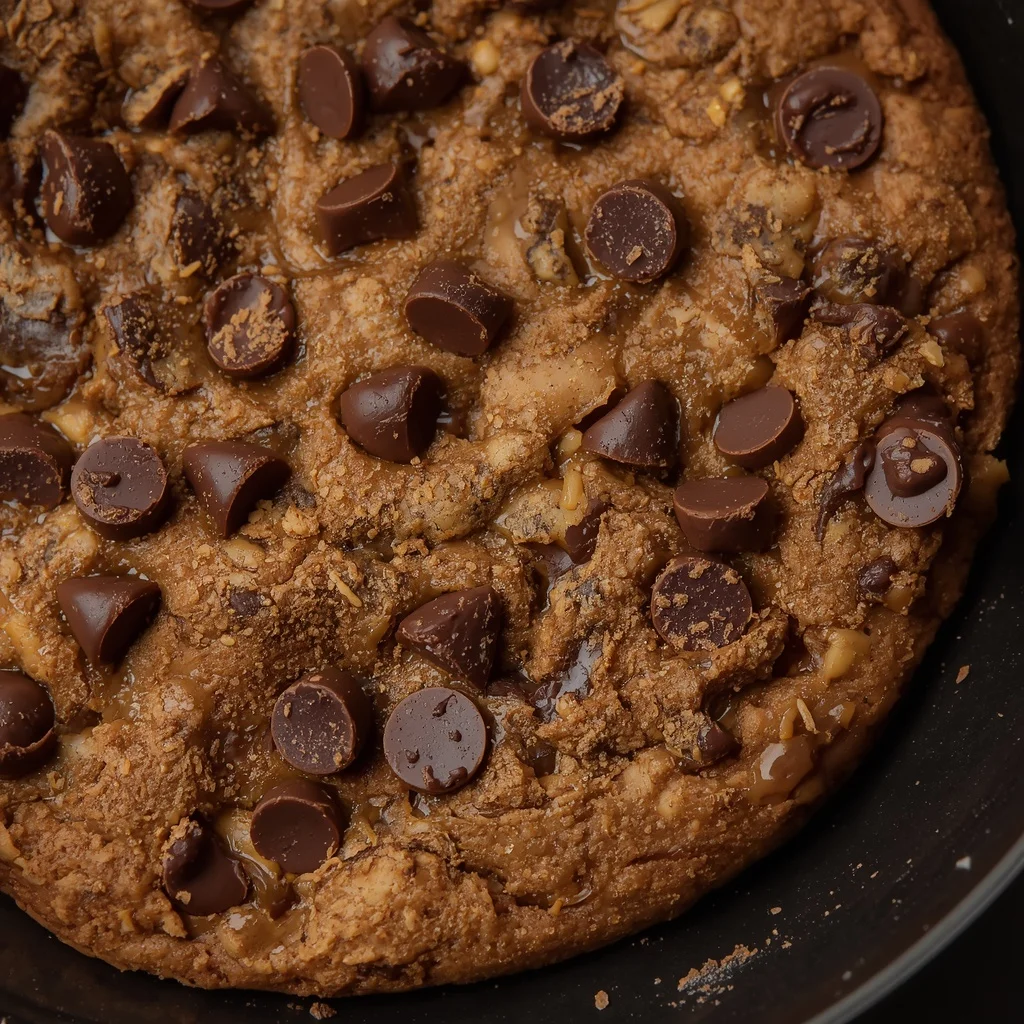
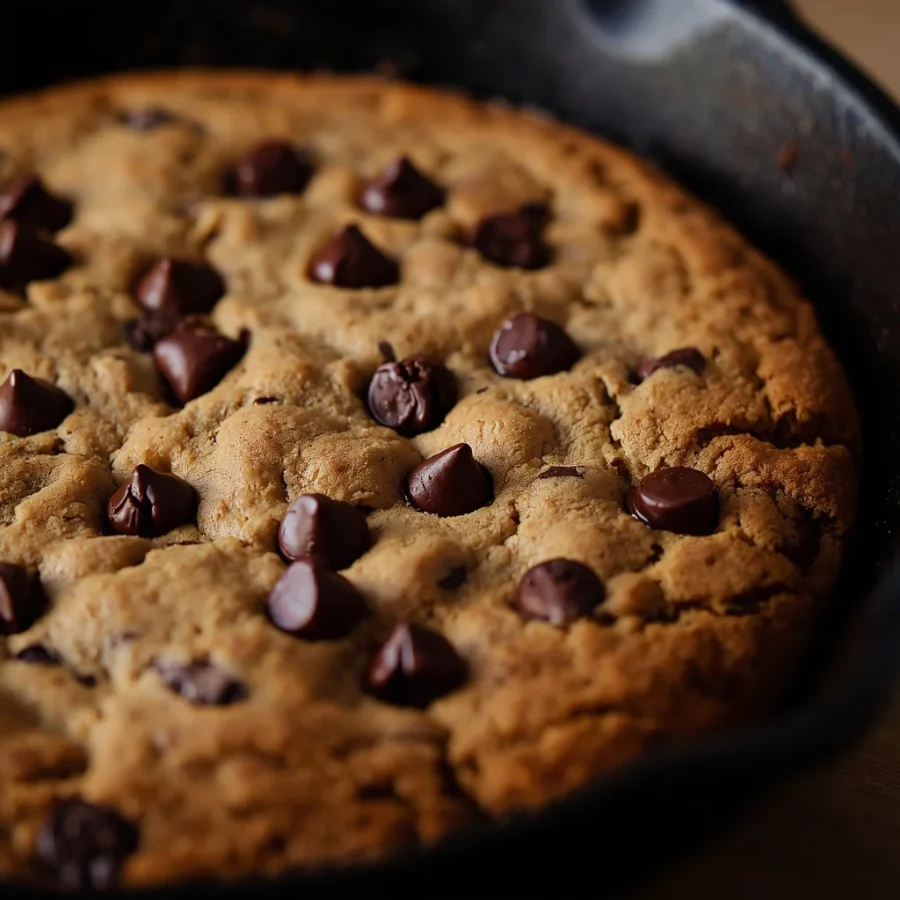
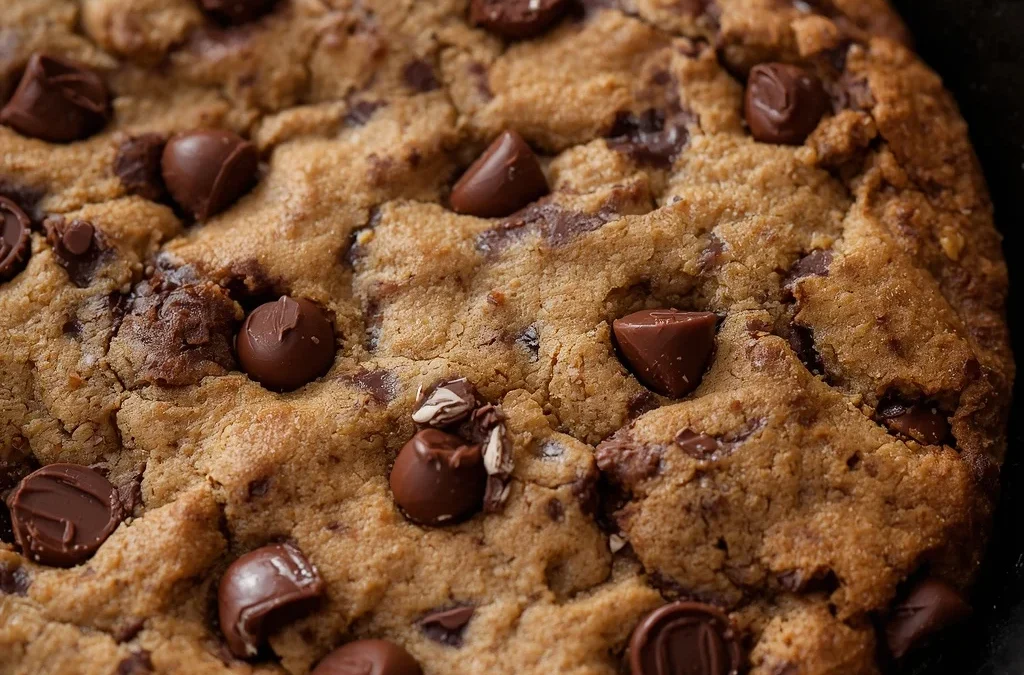
Baking a warm, gooey
beef tallow skillet chocolate chip cookie right inside a heavy cast-iron skillet brings an unforgettable depth of flavor and an extraordinary texture that standard butter-based desserts simply cannot match. When you swap traditional butter for rich rendered beef fat, something magical happens during the baking process. The fat yields a subtle savory note that balances sweet brown sugar and rich chocolate chunks, while simultaneously creating crackly edges and an unbelievably soft interior. Baked directly in a cast-iron pan, this
dessert delivers a restaurant-style treat that is perfect for sharing straight out of the oven. If you are looking to elevate your dessert routine with traditional cooking techniques, this skillet creation is destined to become your new favorite centerpiece.
What is That Recipe?
A beef tallow skillet chocolate chip cookie is a giant, deep-dish style cookie baked inside a seasoned cast-iron pan using rendered beef fat as the primary solid fat source instead of butter or vegetable shortening. Unlike individual cookies that spread out flat on a sheet pan, skillet cookies retain maximum moisture because the thick cast-iron walls contain the dough, allowing the center to stay incredibly fudgy and gooey while the bottom and sides develop a golden, crispy shell.
By incorporating grass-fed or highly refined rendered fat into the dough, the cookie gains a silky mouthfeel and a unique flavor profile. The slight savory warmth from the fat amplifies the sweet, caramelized tones of the sugars and dark chocolate without making the dessert taste like meat.
The Science Behind Cooking with Beef Tallow
To understand why this
recipe works so well, you have to look at the unique physical properties of animal fats compared to plant-based oils or butter. Butter contains roughly eighty percent fat, with the remaining twenty percent consisting of water and milk solids. When butter melts in a hot oven, that water turns to steam and reacts with the flour, which can sometimes lead to a cakier texture or excessive spreading.
Rendered beef fat, on the other hand, is pure fat with zero water content. Because it lacks water, it creates an exceptionally short tender crumb in baked goods. Furthermore, it has a higher melting point than butter, meaning the dough holds its structure slightly longer in the oven before spreading. This extra structural integrity allows the outer rim of your beef tallow skillet chocolate chip cookie to crisp up beautifully against the hot iron while keeping the middle deeply soft and gooey.
Why Cast-Iron Skillets Work Wonders for Desserts
Cast iron is world-famous for its remarkable heat retention and distribution. When you press raw cookie dough into a pre-greased cast-iron pan, the heavy metal absorbs energy slowly and radiates it evenly across the entire surface. This steady, radiant heat caramelizes the sugars along the edges of the pan, producing a micro-thin crisp crust that contrasts wonderfully with the molten center.
Additionally, serving a warm dessert directly in a rustic iron skillet keeps the dish warm at the table for a long time. Every bite remains as melted, soft, and aromatic as the first spoonful.
Origin of That Recipe and the Return to Ancestral Fats
To appreciate the genius of a beef tallow skillet chocolate chip cookie, it helps to look back at the fascinating history of baking fats and American cookie culture. Long before hydrogenated vegetable oils and mass-produced margarines dominated grocery store shelves in the mid-twentieth century, rendered animal fats were the foundation of home cooking across the globe.
Historically, home cooks and bakers utilized every part of processed livestock. Pork lard was celebrated for producing the flakiest pie crusts imaginable, while rendered beef fat was prized for frying pastries, searing meats, and enriching savory breads. In traditional kitchens, nothing went to waste, and rendered fats were stored in stoneware crocks near the hearth for daily use.
The modern chocolate chip cookie itself was born in the nineteen thirties when Ruth Wakefield chopped up a bar of sweet chocolate and stirred it into her butter drop cookie dough at the Toll House Inn. As the decades progressed, commercial baking shifted heavily toward vegetable shortenings and processed butter blends due to industrial manufacturing shifts.
However, recent years have witnessed a major culinary revival centered on traditional ingredients and ancestral cooking techniques. Contemporary chefs and discerning home bakers are rediscovering the incredible functional benefits of natural animal fats. Blending this historical fat source with the beloved nineteen-nineties trend of deep-dish skillet cookies yields a modern fusion dessert that honors old-world techniques while satisfying modern cravings for indulgence.
Ingredients with Quantity
Creating an extraordinary beef tallow skillet chocolate chip cookie requires simple, high-quality baking staples mixed in precise proportions.
-
Beef Tallow: One half cup of rendered beef fat, thoroughly melted and allowed to cool slightly so it does not cook the egg upon contact.
-
Brown Sugar: Three quarters cup of packed dark or light brown sugar, which provides rich molasses notes and crucial moisture.
-
Granulated Sugar: One quarter cup of white granulated sugar to promote crisp edges and proper surface caramelization.
-
Egg: One large room-temperature egg to bind the ingredients and provide structural support.
-
Vanilla Extract: One teaspoon of pure vanilla extract to enhance sweetness and add floral warmth.
-
All-Purpose Flour: One and one half cups of unbleached all-purpose flour for a sturdy yet tender structure.
-
Baking Soda: One half teaspoon of baking soda to interact with the brown sugar and promote gentle rising.
-
Salt: One half teaspoon of fine sea salt to balance the richness of the fat and sweet chocolate.
-
Semi-Sweet Chocolate Chips: One cup of high-quality semi-sweet chocolate chips for pockets of melted sweetness.
-
Chopped Dark Chocolate: Two tablespoons of roughly chopped dark chocolate bars to create beautiful pools of molten chocolate throughout the dough.
-
Flaky Sea Salt: A generous pinch of coarse flaky sea salt sprinkled across the hot surface immediately after baking.
Essential Kitchen Equipment
Having the correct tools organized before you begin baking guarantees a stress-free process and optimal results.
-
Ten-Inch Cast-Iron Skillet: The absolute best vessel for achieving a crisp crust and soft center.
-
Large Glass Mixing Bowl: Allows you to whisk melted liquids easily without retaining heat too long.
-
Silicone Spatula or Wooden Spoon: Essential for folding dry ingredients gently into wet mixtures without overworking gluten.
-
Fine Sifter or Wire Whisk: Helps break up clumps in dry ingredients for an even crumb distribution.
Step by Step Direction and Preparation Method
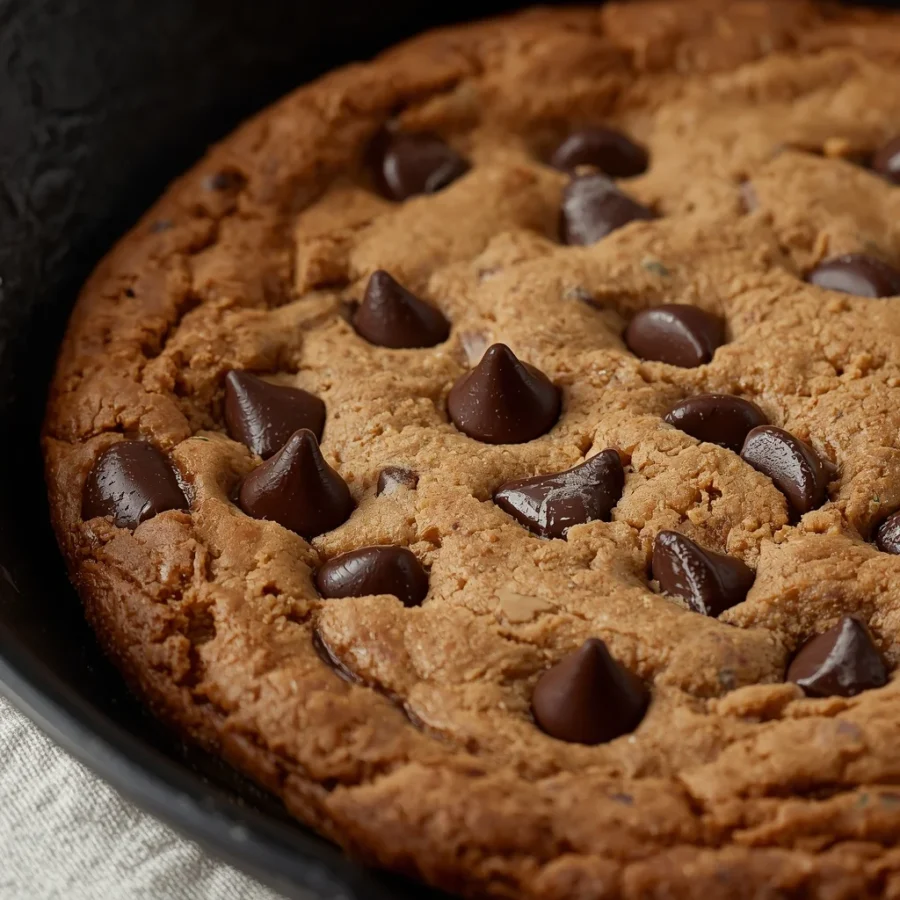
Follow these careful instructions step by step to bake the most irresistible beef tallow skillet chocolate chip cookie in your own kitchen.
Step One: Preheat the Oven and Prepare the Skillet
Begin by preheating your oven to three hundred and fifty degrees Fahrenheit, which equals approximately one hundred and seventy-five degrees Celsius. Place your ten-inch cast-iron skillet on the counter. Measure one small teaspoon of melted beef fat and use a pastry brush or paper towel to rub it evenly across the bottom and sides of the pan. This thin coating prevents sticking and ensures a magnificent golden crust.
Step Two: Combine the Melted Fat and Sugars
In a large mixing bowl, pour in one half cup of melted and slightly cooled beef fat. Add three quarters cup of packed brown sugar and one quarter cup of granulated white sugar. Whisk the fat and sugars together vigorously for roughly two minutes until the mixture looks glossy, uniform, and smooth.
Step Three: Incorporate the Egg and Vanilla
Crack one large room-temperature egg directly into the sugar mixture. Add one teaspoon of pure vanilla extract. Whisk continuously for another sixty seconds until the liquid lightens slightly in color and becomes silky. Ensuring the egg is fully emulsified into the sweet fat foundation is key to achieving a uniform crumb.
Step Four: Measure and Blend the Dry Ingredients
In a separate medium bowl, whisk together one and one half cups of all-purpose flour, one half teaspoon of baking soda, and one half teaspoon of fine salt. Slowly pour the dry mixture into the wet ingredients. Switch from a whisk to a sturdy silicone spatula and fold the ingredients together gently just until no visible streaks of white flour remain. Avoid overmixing the dough, as excess stirring develops gluten and results in a tough texture.
Step Five: Fold in the Sweet Chocolate Chunks
Pour one cup of semi-sweet chocolate chips and two tablespoons of roughly chopped dark chocolate into the thick dough. Gently fold the chocolate pieces into the batter until they are evenly distributed throughout the mixture. The combination of uniform chips and uneven chopped chocolate chunks creates varying pockets of melted cacao in every slice.
Step Six: Transfer to the Cast-Iron Skillet
Spoon the thick cookie dough into the center of your prepared ten-inch cast-iron skillet. Using your spatula or clean fingers lightly greased with fat, press the dough outward from the center until it forms an even layer touching the edges of the pan. Smooth the top surface slightly, ensuring chocolate pieces are visible across the entire dish.
Step Seven: Bake to Golden Perfection
Slide the cast-iron skillet onto the center rack of your preheated oven. Bake for eighteen to twenty-three minutes. You are looking for edges that are golden brown, slightly puffed, and pulled away from the pan walls, while the center five inches of the cookie remains pale, soft, and slightly jiggly.
Step Eight: Season with Flaky Salt and Cool
Carefully remove the hot skillet from the oven using thick oven mitts and place it onto a heat-safe trivet. Immediately sprinkle a generous pinch of coarse flaky sea salt over the top of the hot cookie. Allow the dessert to rest and cool in the pan for ten to fifteen minutes before cutting or scooping. The residual heat stored in the heavy iron will finish gently cooking the interior while preserving its signature gooey center.
Creative Recipe Variations to Explore: beef tallow skillet chocolate chip cookie
Once you master the classic version of this beef tallow skillet chocolate chip cookie, you can easily experiment with fun flavor twists to keep your dessert menu fresh and exciting.
Brown Butter and Tallow Hybrid Skillet
If you love the nutty, caramel flavor of browned butter but still want the crisp texture benefits of beef fat, try a hybrid approach. Replace one quarter cup of the beef fat with one quarter cup of browned butter that has been cooked until amber and aromatic. Combine the two fats together before mixing with your sugars. This yields an incredible blend of nutty butterscotch aromas with deep crunchy edges.
Dark Chocolate Espresso and Pecan Skillet
To create an adult, sophisticated version of this treat, add one tablespoon of fine instant espresso powder to the dry ingredients. Fold one half cup of toasted, chopped pecans along with dark chocolate chunks containing seventy percent cacao into the dough. The bitter coffee notes cut through the rich fat beautifully, while the pecans add a delightful crunch.
Bourbon and Spiced Maple Skillet
Elevate your autumn dessert table by adding one tablespoon of aged bourbon and one tablespoon of pure maple syrup into the wet ingredient mixture alongside the vanilla extract. Add a dash of ground cinnamon and grated nutmeg to the flour blend. The warm woodsy spice notes of bourbon and maple harmonize naturally with the earthy richness of rendered fat.
Salted Caramel Stuffed Skillet Cookie
For an ultra-decadent surprise, press half of your cookie dough into the bottom of the skillet. Drizzle one third cup of thick salted caramel sauce across the center, staying one inch away from the edges. Top with the remaining cookie dough, sealing the edges carefully before baking. When sliced warm, a golden river of hot caramel flows out from the gooey center.
Pro Tips for Achieving Dessert Perfection
-
Source the Right Type of Fat: Always use rendered leaf fat or highly filtered baking-grade tallow that has a neutral aroma. Avoid unrefined fats meant for savory searing, as they may carry a strong beef odor that clashes with sweet vanilla.
-
Never Overbake the Skillet: Remember that cast iron holds immense heat even after leaving the oven. If you wait until the center looks completely solid, your cookie will turn dry and cakey as it sits. Pull the skillet out when the middle still looks slightly underdone.
-
Serve Warm with Cold Cream: The absolute best way to enjoy a beef tallow skillet chocolate chip cookie is warm out of the pan topped with a large scoop of cold vanilla bean ice cream. The temperature contrast between hot melted chocolate and freezing cream is divine.
Recommended Dessert Pairings
Serving this rich skillet dessert alongside carefully chosen beverages creates a complete dining experience for your guests.
-
Cold Whole Milk: A classic glass of icy whole milk cuts through the dense sweetness and cleanses the palate between rich bites.
-
Dark Roast Coffee or Espresso: The natural bitterness of a dark roast coffee or double shot of espresso balances the caramelized sugar and rich fat profiles.
-
Aged Bourbon or Stout Beer: For adult gatherings, pair warm slices with a pour of smooth bourbon or an imperial chocolate stout beer.
Frequently Asked Questions: beef tallow skillet chocolate chip cookie
Does baking with beef tallow make the cookie taste like meat?
No, using refined or rendering-grade tallow does not make your dessert taste like beef or savory gravy. High-quality baking fat is filtered to remove all protein solids, leaving behind a pure, clean fat with a neutral profile. It adds a subtle savory richness and smooth mouthfeel that enhances chocolate without imparting any meaty flavor.
Can I prepare this skillet cookie dough ahead of time?
Yes, you can easily mix the dough a day or two in advance. Store the dough covered in an airtight container in the refrigerator for up to forty-eight hours. When you are ready to bake, let the dough sit on the counter for twenty minutes to soften slightly before pressing it into your greased cast-iron skillet and baking as directed.
What should I do if I do not own a ten-inch skillet?
If you do not have a ten-inch cast-iron pan, you can use an eight-inch or nine-inch deep pie dish, a cake pan, or a small stainless steel oven-safe skillet instead. Keep a close eye on the baking time, as thicker pans or smaller diameters may require three to five additional minutes of baking time to cook through properly.
Why is rendered beef fat better than butter for crispy edges?
Rendered fat contains zero water, whereas standard butter contains roughly sixteen to twenty percent water. When fat lacks water, it cannot create steam that softens flour proteins during baking. This lack of moisture creates a crispier exterior shell while allowing the sugar to caramelize intensely against the hot skillet.
How do I store and reheat leftover skillet cookie slices?
Store any leftover slices in an airtight container at room temperature for up to three days. To reheat, place a slice on a baking sheet and warm it in an oven set to three hundred degrees Fahrenheit for five to eight minutes, or warm it in a microwave for fifteen seconds to restore its soft, gooey texture.
Why did my skillet cookie turn out dry instead of gooey?
A dry skillet cookie is almost always the result of overbaking or adding too much flour. Always measure your flour carefully by scooping it loosely into a cup and leveling it off rather than packing it down. Be sure to pull the pan out of the oven while the center five inches still look soft and slightly underdone.
A fresh
beef tallow skillet chocolate chip cookie brings a marvelous blend of crisp caramelized edges, molten chocolate, and a rich fudgy center directly from your oven to the dessert table. By combining traditional baking fats with the steady heat of a cast-iron pan, you create a rustic, luxurious treat that far surpasses standard bakery fare. Gather your ingredients, heat up your skillet, and enjoy the magical contrast of warm melted chocolate and cold ice cream with every single bite.