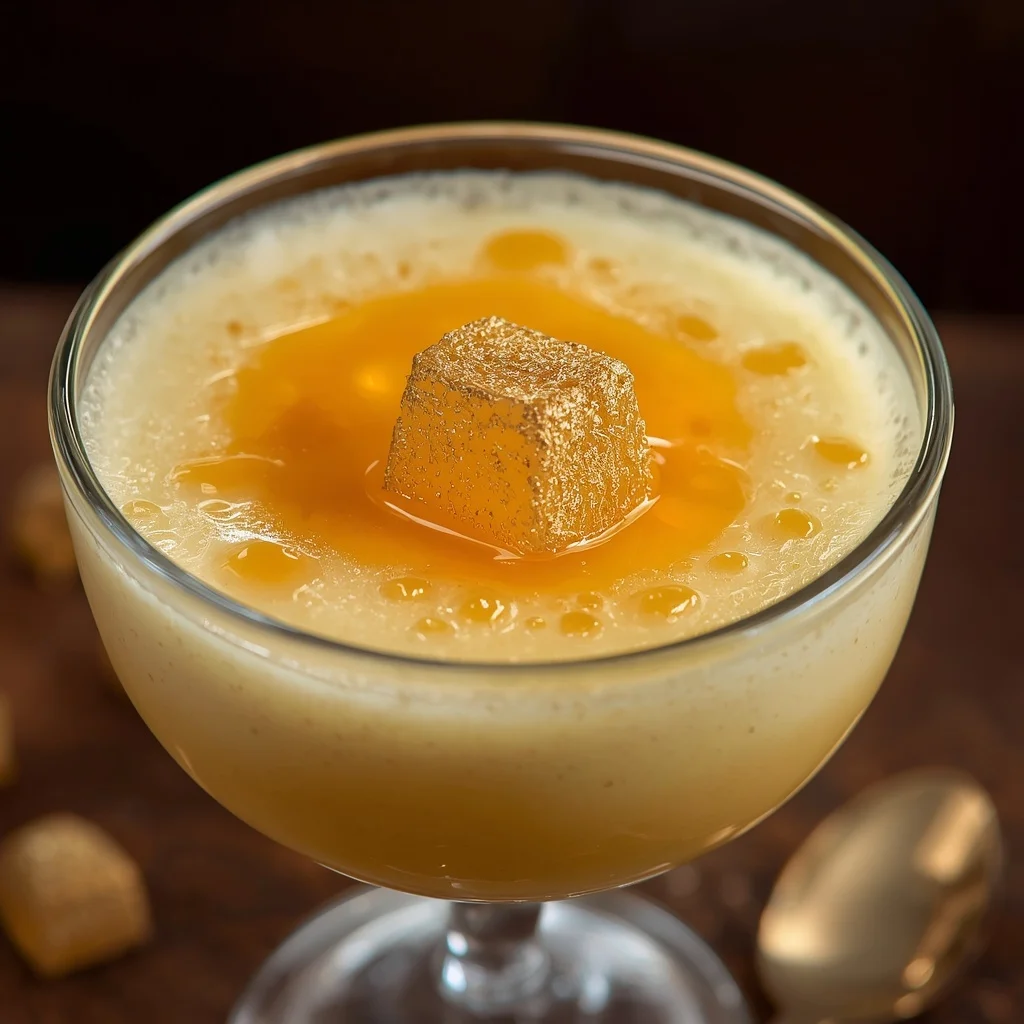
If you are looking for a dessert that fuses vibrant tropical sunshine with luxurious Italian elegance, this homemade mango lassi gummy panna cotta is guaranteed to impress your palate. Combining the rich, tangy profile of a traditional Indian yogurt drink with the smooth, gelatin-set structure of a classic Northern Italian dessert, this treat is both refreshing and comforting. The addition of fragrant cardamom, velvety Greek yogurt, and sweet mango puree creates a harmonious balance of flavors, while a precise amount of unflavored gelatin gives the dish its signature springy, delicate mango lassi gummy panna cotta texture that melts effortlessly on the tongue.
What Is Mango Lassi Gummy Panna Cotta?
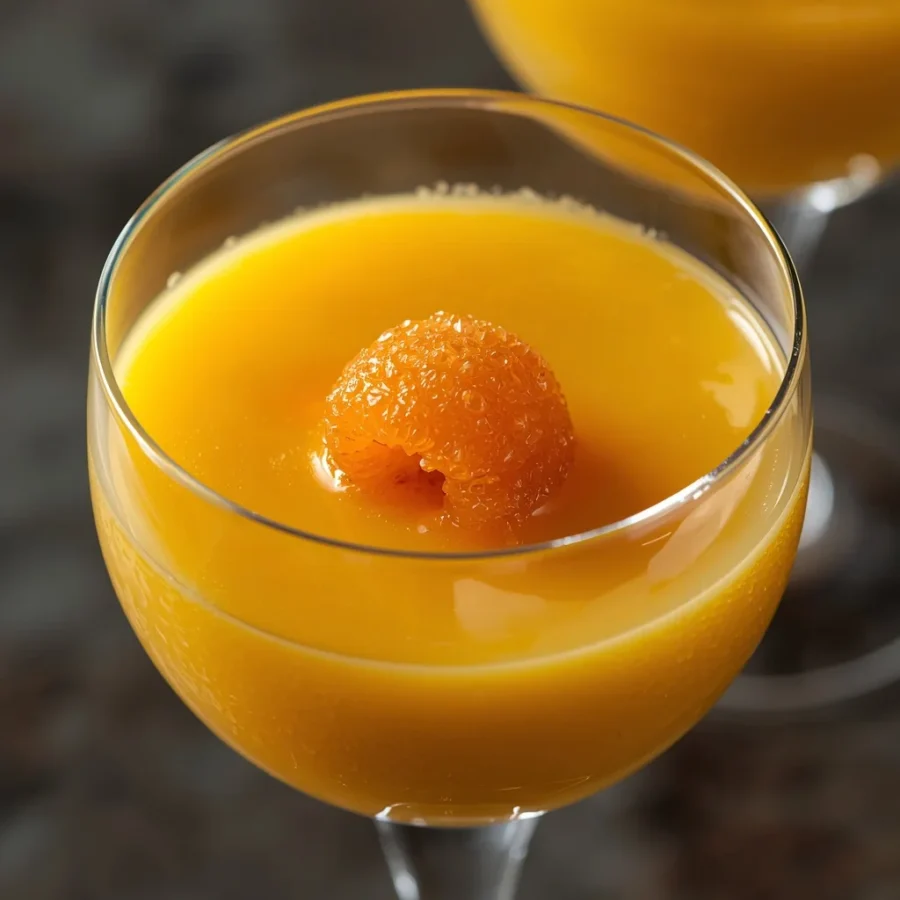
At its core, a mango lassi gummy panna cotta is an innovative crossover dessert that brings together two iconic culinary traditions from opposite sides of the globe. It transforms the liquid comfort of a classic mango lassi into a sliced or molded chilled dessert that holds its shape beautifully while remaining extraordinarily smooth and creamy.
Traditional panna cotta, which translates literally from Italian as cooked cream, is typically made by simmering heavy cream with sugar, setting it lightly with gelatin, and serving it cold alongside fruit coulis or caramel. On the other side of the spectrum, mango lassi is a beloved, refreshing beverage made by blending thick yogurt, milk or cream, ripe mangoes, and warm aromatic spices like cardamom or saffron.
By replacing a portion of the heavy cream in a standard panna cotta recipe with thick, plain Greek yogurt and sweet mango puree, this recipe captures the exact tart and fruity profile of a lassi. The addition of a slightly higher gelatin ratio creates a firm yet delicate bounce, offering a unique gummy-like texture without feeling tough or rubbery. The result is a vibrant, golden dessert that feels light on the stomach, visually stunning on the dinner table, and completely satisfying to eat.
Origin and Cultural Significance of Mango Lassi and Panna Cotta
Understanding the rich heritage behind both components of this dish highlights why they work together so seamlessly in modern fusion cooking.
The Historic Roots of Mango Lassi
The story of the lassi dates back thousands of years across the Indian subcontinent, specifically within the Punjab region. Originally, lassis were crafted as simple, cooling beverages designed to soothe the digestive system and protect farm workers from intense summer heat. Traditional lassis were made by churning fresh dahi, a type of homemade yogurt, in clay pots with cold water, salt, and basic spices.
As fruit cultivation blossomed, particularly with the reverence given to the mango as the national fruit of India, sweet variations of the lassi emerged. The Alphonso and Kesar mango varieties, famed for their incredible sweetness, deep orange color, and floral aroma, became the gold standard for creating mango lassis. Today, mango lassi is enjoyed in Indian restaurants and homes worldwide as a cooling counterpart to rich, spicy curries.
The Northern Italian Legacy of Panna Cotta
Panna cotta hails from the Piedmont region in northwestern Italy, a area historically renowned for its dairy farming and high-quality cream. Local folklore suggests that the dessert was invented in the early twentieth century by a Hungarian woman living in the Langhe territory. Historically, farm cooks would simmer fresh heavy cream with honey and use collagen extracted from boiled fish bones to set the mixture naturally.
Over the decades, panna cotta evolved into a staple of modern Italian cuisine due to its understated simplicity. Italian chefs value panna cotta because it acts as a neutral canvas capable of carrying citrus, berry, coffee, or nut flavors while maintaining an unmistakable silky mouthfeel.
The Modern Fusion Movement
Bringing together the vibrant, spiced tropical personality of South Asian ingredients with the refined presentation techniques of European pastry arts represents modern fusion cooking at its finest. This mango lassi gummy panna cotta honors both traditions by maintaining the true flavor integrity of the lassi while honoring the structured elegance of Italian cold desserts.
Complete Ingredients List and Exact Quantities: mango lassi gummy panna cotta
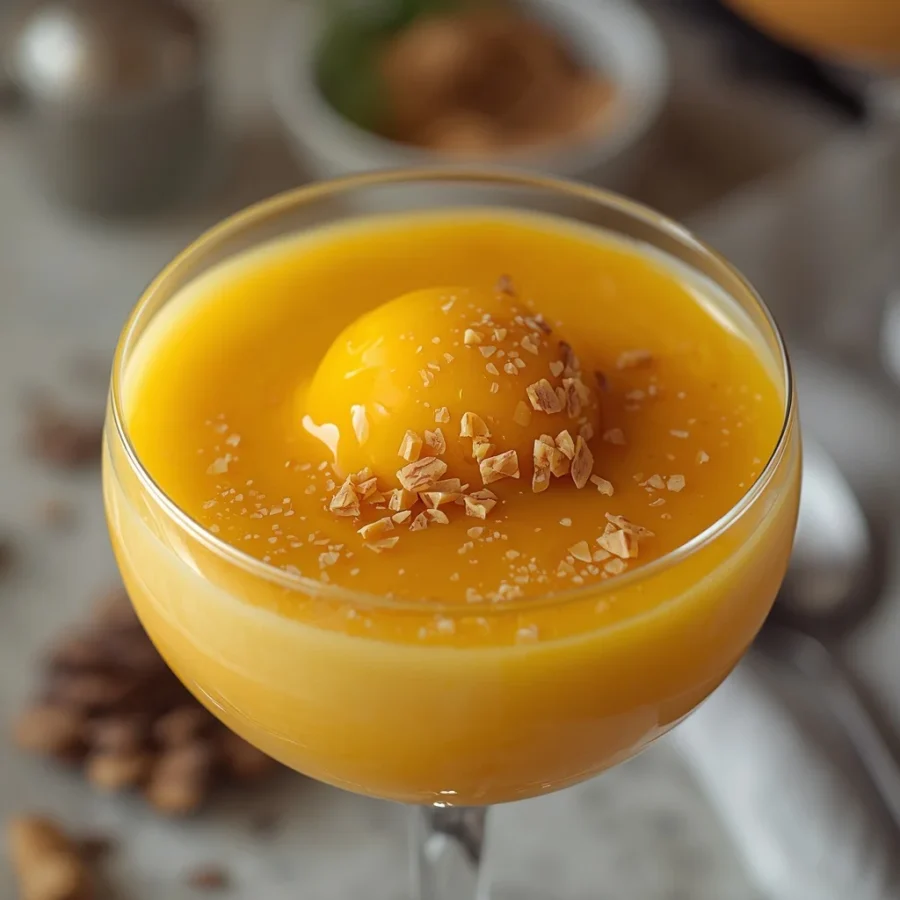
To make an authentic, restaurant-quality mango lassi gummy panna cotta, you will need fresh, high-quality ingredients measured accurately. Gather the following components on your kitchen workspace before beginning.
For the Mango Lassi Panna Cotta Base
-
Ripe Mango Puree: One and one-half cups of smooth, sweet mango puree. Freshly blended Alphonso or Kesar mangoes work best, but high-quality canned canned mango puree is also an excellent option.
-
Plain Greek Yogurt: One cup of plain, unsweetened full-fat or whole-milk Greek yogurt at room temperature to ensure smooth blending.
-
Heavy Cream: One-half cup of heavy whipping cream for rich texture.
-
Granulated Sugar: One-fourth cup of fine white granulated sugar, adjusted slightly based on the natural sweetness of your mangoes.
-
Vanilla Extract: One teaspoon of pure vanilla extract or vanilla bean paste.
-
Ground Cardamom: One-half teaspoon of freshly ground green cardamom seeds for optimal aroma.
-
Powdered Gelatin: One and one-half teaspoons of unflavored gelatin powder.
-
Cold Water: Three tablespoons of cold filtered water to bloom the gelatin.
-
Citrus Juice: One tablespoon of freshly squeezed lemon juice or lime juice to brighten the sweetness.
-
Salt: One tiny pinch of fine sea salt to balance the sugar and heighten the spices.
For the Decorative Topping and Garnish
-
Fresh Diced Mango: One-half cup of ripe, sweet mango cut into tiny, uniform cubes.
-
Crushed Pistachios: Two tablespoons of raw or lightly toasted shelled pistachios, finely chopped for a contrasting green color and crunch.
-
Coconut Flakes: One to two tablespoons of unsweetened toasted or raw coconut flakes.
-
Fresh Mint: A few fresh mint leaves for a pop of color and herbal fragrance.
-
Cardamom Pinch: A tiny pinch of ground cardamom sprinkled right before serving.
Step-by-Step Preparation and Cooking Method: mango lassi gummy panna cotta
Creating this stunning mango lassi gummy panna cotta is a straightforward, enjoyable process. Follow these step-by-step instructions carefully to achieve the ideal texture and flavor structure.
Step One: Blooming the Gelatin
Pour three tablespoons of cold filtered water into a small heat-safe glass bowl. Sprinkle one and one-half teaspoons of unflavored gelatin powder evenly across the surface of the water. Do not dump the powder in a single clump, as this prevents the grains from hydrating properly.
Allow the mixture to sit undisturbed at room temperature for five to ten minutes. During this time, the gelatin granules will absorb the water, swell up, and form a thick, spongy mass. This hydration process is known as blooming, and it ensures that the gelatin dissolves seamlessly into warm liquids without leaving lumps.
Step Two: Gently Warming the Sweetened Cream
In a small saucepan over low to medium heat, combine one-half cup of heavy whipping cream and one-fourth cup of granulated sugar. Cook the mixture slowly, stirring constantly with a silicone spatula or wire whisk until all the sugar crystals have completely dissolved.
Watch the pan carefully during this stage. Heat the cream until it is hot to the touch and small wisps of steam begin to rise from the surface, but do not let it reach a full rolling boil. Boiling cream can alter the delicate dairy fats and scorch the bottom of your pan.
Step Three: Dissolving the Bloomed Gelatin
Remove the saucepan of warm cream from the heat source immediately. Take your bloomed, spongy gelatin and drop it directly into the hot cream mixture.
Whisk the mixture continuously for one to two minutes until the gelatin melts entirely into the hot cream. The liquid should look completely smooth, glossy, and clear of any visible granules or specks.
Step Four: Mixing the Mango Lassi Base
In a large, separate mixing bowl, combine one and one-half cups of mango puree, one cup of plain Greek yogurt, one teaspoon of pure vanilla extract, one-half teaspoon of ground cardamom, one tablespoon of fresh lemon or lime juice, and a tiny pinch of fine sea salt.
Whisk these ingredients vigorously until you achieve a uniform, vibrant orange mixture with no white yogurt streaks remaining. Using room-temperature Greek yogurt prevents the warm cream from seizing or curdling when the two mixtures meet.
Step Five: Combining the Elements
Slowly drizzle the warm cream and gelatin mixture into the bowl containing your spiced mango and yogurt puree while whisking gently and continuously.
Whisking slowly prevents air bubbles from forming on the surface of your dessert while ensuring that the gelatin is evenly distributed throughout the entire lassi base. Once combined, the liquid should be completely smooth, silky, and uniform in color.
Step Six: Pouring into Serving Vessels or Molds
Carefully pour the liquid panna cotta mixture into your choice of serving vessels. You can use four to six glass ramekins, short glass cups, wine glasses, or flexible silicone molds if you intend to unmold the desserts onto plates later.
If you notice tiny air bubbles floating on the surface of the poured liquid, lightly tap the bottoms of the glasses against your kitchen counter or skim the top gently with a spoon to pop them for a smooth finish.
Step Seven: Chilling to Set the Texture
Transfer the filled glasses or molds to your refrigerator. Chill undisturbed for at least four hours, or preferably overnight, until the panna cotta is fully set.
When fully set, the dessert will have a soft, creamy appearance with a light, springy bounce when gently shaken, characteristic of a delicate gummy finish.
Step Eight: Decorating and Presenting
Just before serving, retrieve the chilled panna cotta from the refrigerator. Top each glass generously with a spoon of diced fresh mango, a sprinkle of bright green crushed pistachios, a dusting of coconut flakes, and a tiny pinch of ground cardamom. Garnish with a fresh mint leaf and serve chilled immediately.
Creative Recipe Variations and Substitutions
This versatile mango lassi gummy panna cotta recipe adapts easily to accommodate different dietary needs, structural preferences, and flavor twists.
Adjusting the Gelatin for Different Textures
-
Extra Firm Gummy Texture: If you prefer a firmer, more rubbery gummy finish that can easily be unmolded, sliced into geometric cubes, or eaten with fingers, increase the gelatin quantity to two full teaspoons.
-
Traditional Soft Panna Cotta Texture: If you prefer a traditional, ultra-soft spoon dessert with a gentle wobble, reduce the gelatin quantity down to one and one-fourth teaspoons.
Vegan and Dairy-Free Adaptations: mango lassi gummy panna cotta
-
Plant-Based Yogurt and Cream: Substitute the Greek yogurt with thick unsweetened coconut milk yogurt or almond milk yogurt, and replace the heavy cream with full-fat canned coconut cream.
-
Agar Agar Gelatin Alternative: Replace the animal-based gelatin with agar agar powder. Use one teaspoon of agar agar powder, simmer it directly in the coconut cream for two minutes to activate, then combine it with the mango puree.
Flavor Enhancements and Spice Twists
-
Saffron Infused Cream: Steep a small pinch of high-quality saffron threads in the warm heavy cream for ten minutes before adding the gelatin. Saffron adds a deep golden hue and a complex, honey-like floral flavor.
-
Rose Water Accent: Stir one-half teaspoon of food-grade rose water into the mango puree alongside the cardamom to introduce a lovely floral note popular in South Asian desserts.
-
Ginger Spice Kick: Add one-fourth teaspoon of finely grated fresh ginger to the cream while warming to give the dessert a subtle, spicy kick that cuts through the rich dairy.
Frequently Asked Questions: mango lassi gummy panna cotta
Why did my panna cotta separate into layers while chilling?
Separation usually occurs if the yogurt and mango puree were too cold when mixed with the warm cream, or if the mixture was not whisked thoroughly. To prevent separation, bring your Greek yogurt to room temperature before whisking, and ensure the warm cream is fully integrated into the fruit puree before pouring it into glasses.
Can I use fresh pineapple or papaya instead of mango?
Fresh pineapple, papaya, kiwi, and mangoes contain active enzymes called bromelain and papain that break down protein chains and prevent animal gelatin from setting properly. However, ripe mangoes generally have much lower enzyme activity than pineapple. If you are concerned, simply heat the mango puree for two minutes before mixing, as heat neutralizes these enzymes completely.
How do I unmold panna cotta onto a plate without breaking it?
To unmold a panna cotta cleanly, dip the bottom of your ramekin or silicone mold into a bowl of hot water for five to ten seconds. Run a thin, sharp knife carefully around the top inside edge of the mold to break the vacuum seal. Place your serving plate upside down over the top of the mold, invert both together, and give a gentle tap until the dessert slides smoothly onto the plate.
How long does this dessert stay fresh in the refrigerator?
Stored tightly covered with plastic wrap or foil in the refrigerator, this dessert stays fresh and delicious for up to four to five days. Keep the fresh toppings, like pistachios and coconut, separate and add them right before serving so they remain crisp.
Is this recipe gluten-free?
Yes, this recipe is naturally one hundred percent gluten-free. All core ingredients, including the gelatin, dairy, mango puree, and garnishes, contain no wheat or gluten proteins.
Can I make mango lassi gummy panna cotta ahead of time for a party?
Absolutely! This dessert is an ideal make-ahead option for hosting because it requires zero last-minute cooking. You can prepare and pour the panna cotta two days in advance, leave them covered in the fridge, and simply add the fresh toppings right before your guests arrive.
Conclusion: mango lassi gummy panna cotta
Creating a homemade mango lassi gummy panna cotta is an absolute delight for any home cook looking to explore creative flavor combinations. By marrying the sweet, spiced charm of a traditional South Asian drink with the silky, structural beauty of an Italian chilled dessert, you produce a dish that satisfies both heart and palate. With its striking golden color, refreshing taste, and uniquely satisfying springy texture, this recipe is bound to become a standout star at your dinner table. Gather your ingredients, bloom your gelatin, and treat yourself to this unforgettable tropical dessert today!
Mango Lassi Gummy Panna Cotta
- Total Time: 45 minutes
- Yield: 4 servings 1x
Description
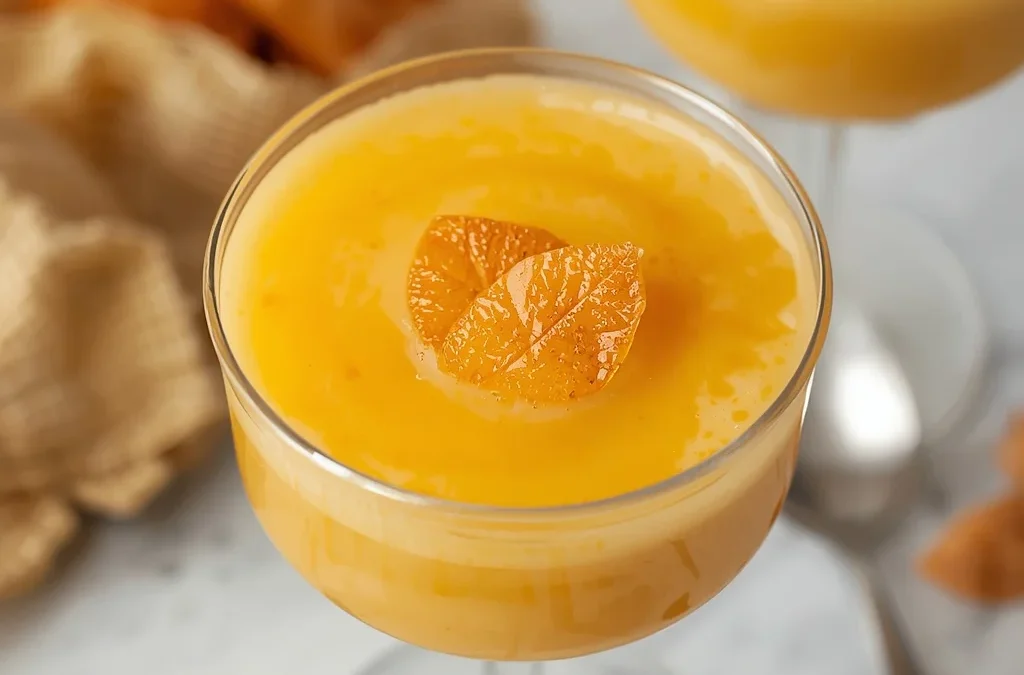
At its core, a mango lassi gummy panna cotta is an innovative crossover dessert that brings together two iconic culinary traditions from opposite sides of the globe. It transforms the liquid comfort of a classic mango lassi into a sliced or molded chilled dessert that holds its shape beautifully while remaining extraordinarily smooth and creamy.
Ingredients
For the Mango Lassi Panna Cotta
- 1½ cups ripe mango purée
- 1 cup plain Greek yogurt
- ½ cup heavy cream
- ¼ cup granulated sugar
- 1 tsp vanilla extract
- ½ tsp ground cardamom
- 1½ tsp powdered gelatin
- 3 tbsp cold water
- 1 tbsp fresh lemon or lime juice
- Pinch of salt
For the topping
- ½ cup diced fresh mango
- 2 tbsp crushed pistachios
- 1–2 tbsp unsweetened coconut flakes
- Fresh mint leaves, optional
- Small pinch of cardamom
Instructions
- Prepare the gelatin
Place the cold water in a small bowl and sprinkle the gelatin evenly over it. Let it sit for 5–10 minutes to bloom. - Warm the cream mixture
Add the heavy cream and sugar to a small saucepan. Heat over low-medium heat, stirring until the sugar dissolves and the mixture is hot but not boiling. - Add the gelatin
Remove the saucepan from the heat. Stir in the bloomed gelatin until completely dissolved. - Make the lassi mixture
In a large bowl, whisk together the mango purée, Greek yogurt, vanilla, cardamom, lemon or lime juice, and salt. - Combine
Slowly pour the warm cream mixture into the mango-yogurt mixture while whisking gently until smooth and well combined. - Pour into molds
Divide the mixture among 4–6 small glasses, ramekins, or silicone molds. - Chill
Refrigerate for at least 4 hours, or preferably overnight, until set. The finished panna cotta should be soft, creamy, and slightly springy—similar to a delicate gummy texture. - Garnish and serve
Top with diced mango, crushed pistachios, coconut, and a tiny pinch of cardamom. Add fresh mint if desired.
Notes
- Prep Time: 15 minutes
- Cook Time: 30 minutes
- Category: Main Course
- Method: Stovetop
- Cuisine: Italian
Nutrition
- Serving Size: 1 serving
- Calories: 520 kcal
Keywords: mango lassi panna cotta, gummy mango panna cotta, mango yogurt panna cotta
