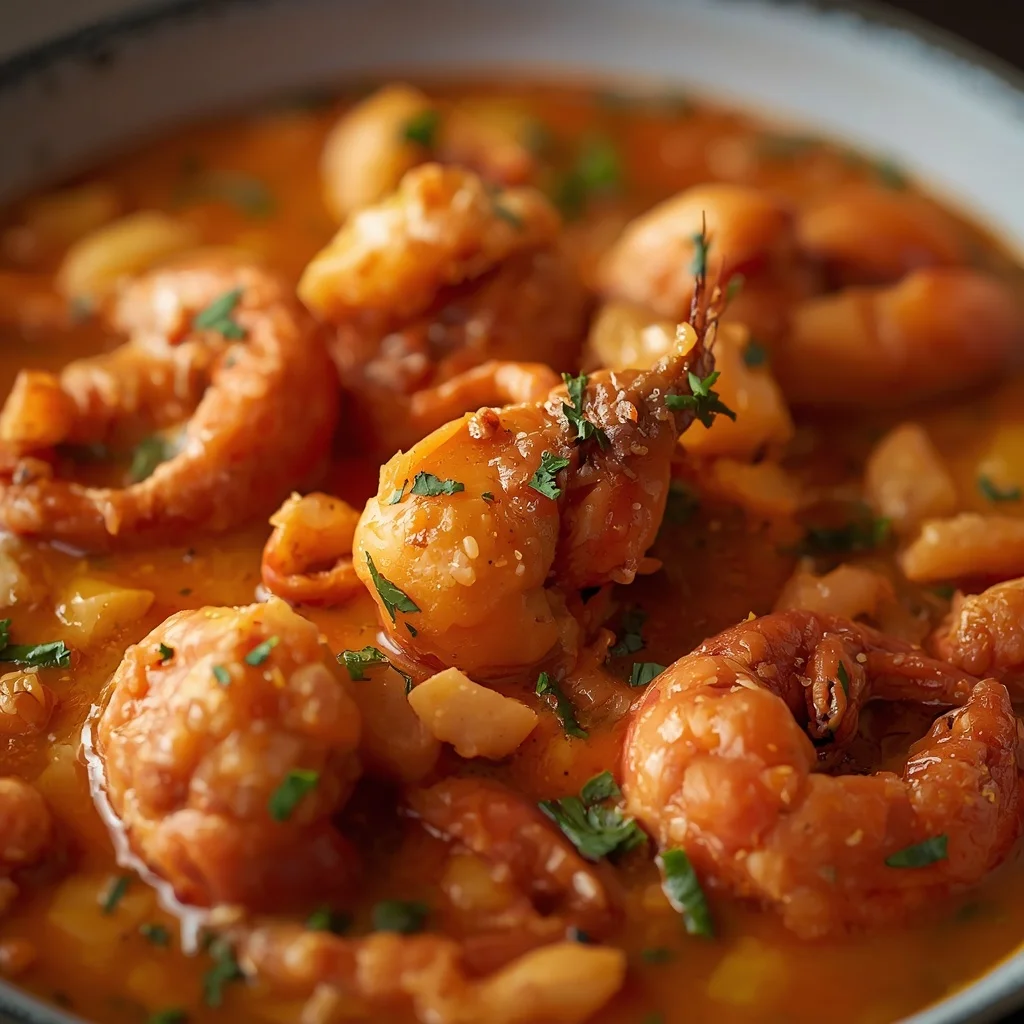
If you have ever wanted to bring the vibrant, rich, and comforting flavors of Louisiana right into your home kitchen, mastering an authentic crawfish étouffée is the ultimate way to do it. This famous Cajun and Creole staple features succulent crawfish tails smothered in a velvety, copper-colored roux sauce packed with aromatic vegetables and warm Southern spices. Served over a mound of hot white rice, it represents pure comfort in a bowl. Whether you are hosting a festive Mardi Gras dinner, cooking for family on a chilly weekend, or simply satisfying a craving for genuine Gulf Coast seafood, this step-by-step guide will walk you through crafting a restaurant-quality meal from scratch.
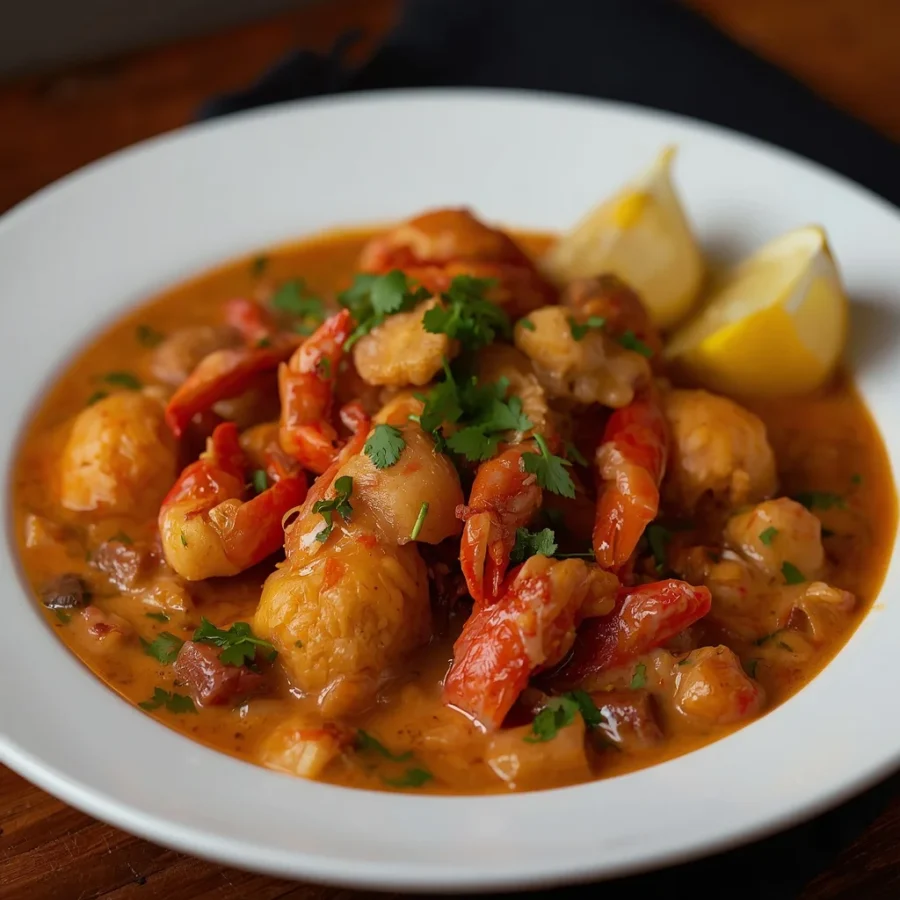
What Is the Crawfish Étouffée Recipe?
The word étouffée comes directly from the French verb meaning to smother or to suffocate. In the culinary world, this name describes a cooking technique where seafood or meat is gently simmered inside a thick, savory, tightly covered pot of spiced sauce. A classic crawfish étouffée centers around tender crawfish tails bathed in a roux-based gravy that is seasoned heavily with garlic, herbs, and the famous Louisiana holy trinity.
Unlike a traditional gumbo, which is typically thinner, soupier, and often features okra or file powder, an étouffée is significantly thicker, richer, and far more concentrated in flavor. The sauce relies on equal parts fat and flour cooked down to a warm peanut butter or blond hue, which provides body without overpowering the delicate sweetness of the shellfish. It is a hearty, comforting main dish designed to be served generously over fluffy white rice, making every single mouthful a luxurious experience.
The Origin of the Crawfish Étouffée Recipe
The history of this iconic Southern dish is deeply rooted in the bayous and prairies of Acadiana, the French-settled region of Southern Louisiana. During the nineteen twenties, home cooks and local tavern owners in Breaux Bridge, Louisiana, began experimenting with ways to cook the abundance of wild freshwater crawfish found in local waterways. Breaux Bridge eventually earned the official title of Crawfish Capital of the World thanks to its pioneering role in popularizing seafood confections.
Initially, early versions of smothered crawfish were prepared using simple butter, onions, and crawfish fat without a dark flour roux base. As the recipe moved into urban Creole kitchens in New Orleans during the mid-twentieth century, chefs adapted the dish by introducing a classic French roux, tomato paste, and rich seafood stock. This union of rustic Cajun simplicity and refined Creole technique created the modern crawfish étouffée we know and love today. Today, it remains one of the most celebrated dishes in American regional cuisine.
Ingredients and Quantities Needed: Crawfish étouffée
To create a truly authentic crawfish étouffée, gathering fresh, high-quality ingredients is essential. The depth of flavor relies heavily on the quality of your seafood, stock, and aromatic vegetable base.
The Roux and Vegetable Base
-
Four tablespoons of unsalted butter — Provides a rich, creamy fat base for building your golden roux.
-
Four tablespoons of all-purpose flour — Combines with the melted butter to thicken the sauce naturally.
-
One medium yellow onion — Finely diced to form one-third of the essential Cajun holy trinity.
-
One green bell pepper — Finely diced to add a fresh, vegetal bite to the gravy.
-
Two stalks of celery — Finely diced to complete the classic aromatic trinity foundation.
-
Three cloves of garlic — Minced finely to infuse the vegetable base with sharp aroma.
Liquids and Seasonings
-
Two cups of seafood stock or chicken stock — Forms the savory liquid base of your rich smothered gravy.
-
One cup of diced tomatoes — Optional, adding a touch of Creole acidity and color to the pan.
-
One tablespoon of tomato paste — Concentrated paste that deepens color and adds rich umbrella flavor.
-
One teaspoon of Cajun seasoning — A bold blend of paprika, garlic, onion, and black pepper.
-
One-half teaspoon of sweet paprika — Enhances the warm reddish-brown hue of the roux.
-
One-half teaspoon of dried thyme — Introduces a subtle, earthy herbal note to the sauce.
-
One-fourth teaspoon of cayenne pepper — Adds an authentic kick of heat, adjustable to taste.
-
One whole bay leaf — Simmers in the liquid to release subtle herbal complexity.
-
Salt and black pepper — Added carefully to taste throughout the cooking process.
Seafood and Finishing Touches
-
One and one-half pounds of peeled crawfish tails — Thawed if frozen, keeping any natural juices intact.
-
Two tablespoons of fresh parsley — Chopped finely for a burst of green color and brightness.
-
Two green onions — Thinly sliced to sprinkle into the sauce and use as a crisp garnish.
-
One tablespoon of fresh lemon juice — Cuts through the rich roux right before serving.
-
Cooked white rice — Warm long-grain rice served as the foundational base for the dish.
Step-by-Step Preparation and Simmering Method: Crawfish étouffée
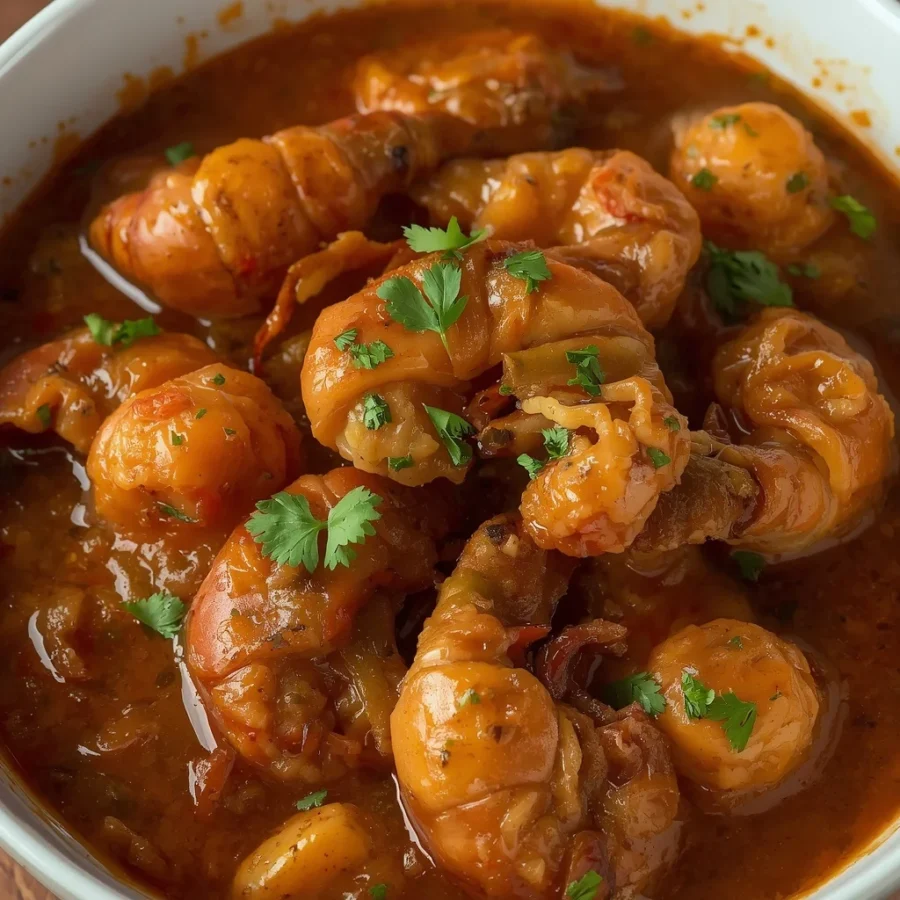
Preparing an extraordinary crawfish étouffée requires patience, particularly when developing the initial flour base. Follow these clear steps to ensure your dish turns out perfectly smooth and intensely flavorful.
Crafting the Golden Butter Roux
Set a large, heavy-bottomed skillet or Dutch oven over medium heat on your stovetop. Add four tablespoons of unsalted butter and allow it to melt completely until it bubbles gently. Sprinkle four tablespoons of all-purpose flour directly over the melted butter. Immediately grab a wire whisk and begin stirring the flour and fat together.
Cook the mixture continuously for eight to twelve minutes. You must stir constantly without stopping to prevent the flour from burning on the bottom of your pan. As it cooks, the roux will transition from pale white to a light straw color, eventually settling into a rich, golden-brown hue that resembles smooth peanut butter. This stage builds a nutty flavor profile that defines the whole dish.
Cooking the Holy Trinity
Once your roux achieves a rich golden-brown tone, immediately drop your finely diced yellow onion, green bell pepper, and celery straight into the hot pan. The moisture from the cold vegetables will rapidly slow down the browning process of the flour fat mixture.
Switch from your whisk to a sturdy wooden spoon. Stir the vegetables into the thick paste and let them cook for five to seven minutes. Continue stirring occasionally until the onions turn translucent and the peppers soften completely. Add three cloves of minced garlic during the final minute of vegetable cooking, allowing it to become fragrant without scorching.
Building the Spiced Gravy
Stir one tablespoon of tomato paste directly into the softened vegetables. Add one teaspoon of Cajun seasoning, one-half teaspoon of sweet paprika, one-half teaspoon of dried thyme, one-fourth teaspoon of cayenne pepper, and a pinch of black pepper. Cook the dry spices with the vegetables for one full minute to toast the aromatics.
Gradually pour two cups of seafood stock into the pan in a slow, steady stream while whisking continuously. Whisking continuously as you add liquid prevents lump formation and ensures a silky texture. If you are using tomatoes, stir in one cup of diced tomatoes along with one whole bay leaf.
Simmering and Thickening the Sauce
Bring the liquid to a gentle, rolling boil over medium heat. As soon as bubbles break the surface, reduce your stove heat down to low so the mixture drops to a gentle simmer. Leave the pot uncovered and allow the sauce to simmer gently for fifteen to twenty minutes.
Stir the pan occasionally so the flour base does not stick to the bottom. During this simmering phase, the excess liquid will evaporate, leaving behind a thick, glossy, aromatic gravy that coats the back of your spoon beautifully.
Adding the Crawfish Tails
Once the gravy reaches your desired consistency, add one and one-half pounds of peeled crawfish tails along with any natural fat or liquid left in their packaging. Stir the seafood gently into the warm sauce.
Reduce the heat to low and let the dish simmer gently for just five to seven minutes. Crawfish tails are already pre-cooked in most commercial packages, so you only need to heat them through thoroughly. Avoid boiling or overcooking the seafood at this stage, as excessive heat will cause the delicate meat to become rubbery and tough.
Brightening and Adjusting Flavors
Turn off the heat source and remove the pan from the burner. Locate and discard the spent bay leaf. Stir in one tablespoon of fresh lemon juice, two tablespoons of fresh chopped parsley, and two sliced green onions.
Taste the finished sauce carefully with a clean spoon. Add additional salt, black pepper, or a pinch of Cajun seasoning if you prefer a saltier or spicier profile. The lemon juice adds a crisp contrast that balances out the heavy butter fat.
Serving the Finished Dish
Ladle generous portions of hot, freshly cooked white long-grain rice into the center of wide, shallow serving bowls. Use a large spoon to scoop the rich crawfish étouffée over and around the rice, ensuring plenty of crawfish tails and savory gravy grace every plate. Top with extra green onions and fresh parsley before serving immediately.
Creative Recipe Variations to Try: Crawfish étouffée
While traditional crawfish is the gold standard for this Louisiana meal, you can easily adapt the core recipe based on local ingredient availability or personal seafood preferences.
Gulf Shrimp Étouffée Swap
If fresh or frozen crawfish tails are unavailable in your local grocery store, raw wild-caught Gulf shrimp make an outstanding substitute. Purchase small or medium peeled and deveined shrimp. Chop them into bite-sized pieces if they are large, and add them to the simmering gravy during the last five minutes of cooking just until they turn pink and opaque.
Rich Crabmeat and Seafood Combo
For an elevated, extra-luxurious seafood feast, combine equal parts crawfish tails and fresh lump crabmeat. Prepare the spiced brown gravy exactly as directed in the base recipe. Fold the delicate lump crabmeat into the pan along with the crawfish during the final three minutes of simmering, taking care not to break up the large, sweet lumps of crab.
Extra Dark Cajun Style
Creole-style versions often include tomatoes and a lighter blonde roux, whereas traditional rural Cajun styles omit tomatoes entirely and push the flour browning process further. To make a dark Cajun style, omit the diced tomatoes and tomato paste. Cook your butter and flour mixture for a longer duration until it achieves the dark color of milk chocolate or old pennies before adding your holy trinity.
Helpful Storage and Reheating Guidelines: Crawfish étouffée
Proper storage techniques will keep your seafood gravy tasting fantastic for extra meals later in the week.
-
Refrigeration: Allow any leftover cooked dish to cool down to room temperature. Transfer the gravy and rice into separate airtight storage containers. Keep the containers stored inside your refrigerator for up to three days. Keeping the rice separate prevents it from soaking up all the liquid gravy while standing.
-
Reheating Instructions: Reheat leftover seafood gently on your stovetop over low heat. Add a tiny splash of additional seafood stock or water if the sauce has thickened too much in the fridge. Stir gently until heated through completely. Avoid using high microwave heat, which can overcook the crawfish.
-
Freezing Warning: While you can freeze the roux base, fully assembled seafood dishes with delicate crawfish tails do not always freeze well. The texture of the seafood can turn mushy upon thawing. It is best enjoyed fresh within three days.
Frequently Asked Questions: Crawfish étouffée
What can I substitute for crawfish tails if I cannot find them?
If crawfish tails are not sold in your area, small peeled shrimp are the absolute best substitute. They offer a similar sweet seafood flavor and tender texture. You can also use chopped sea scallops or a mixture of shrimp and crabmeat.
What is the difference between gumbo and étouffée?
Gumbo is typically a thinner, soup-like stew that often incorporates okra, file powder, and multiple meats like sausage and chicken alongside seafood. Étouffée is a much thicker, smothering gravy built around one primary seafood focus served directly over rice.
Why did my crawfish turn out tough and rubbery?
Tough crawfish is almost always the result of overcooking. Store-bought peeled crawfish tails are usually pre-cooked during the peeling process. They only need five minutes in the hot gravy to warm through completely. Never boil the crawfish rapidly for long periods.
Can I make the brown roux ahead of time?
Yes, you can make the butter and flour mixture ahead of time. You can cook the roux, add the holy trinity vegetables, and store that base mixture in your refrigerator for up to three days. When you are ready to cook, simply heat the base, whisk in your stock, and proceed with the recipe.
Conclusion: Crawfish étouffée
Cooking an authentic crawfish étouffée at home is one of the most rewarding culinary experiences you can enjoy in your kitchen. By taking the time to slowly brown your butter and flour into a fragrant golden roux, sautéing fresh vegetables, and simmering tender seafood in a spiced gravy, you create a complex dish that delivers genuine Southern warmth. It brings the rich heritage of Acadiana straight to your dinner table in a way that pre-packaged meals simply cannot match. Gather your simple ingredients, cook up a pot of fluffy rice, and share this unforgettable, flavor-packed meal with family and friends today.
Print
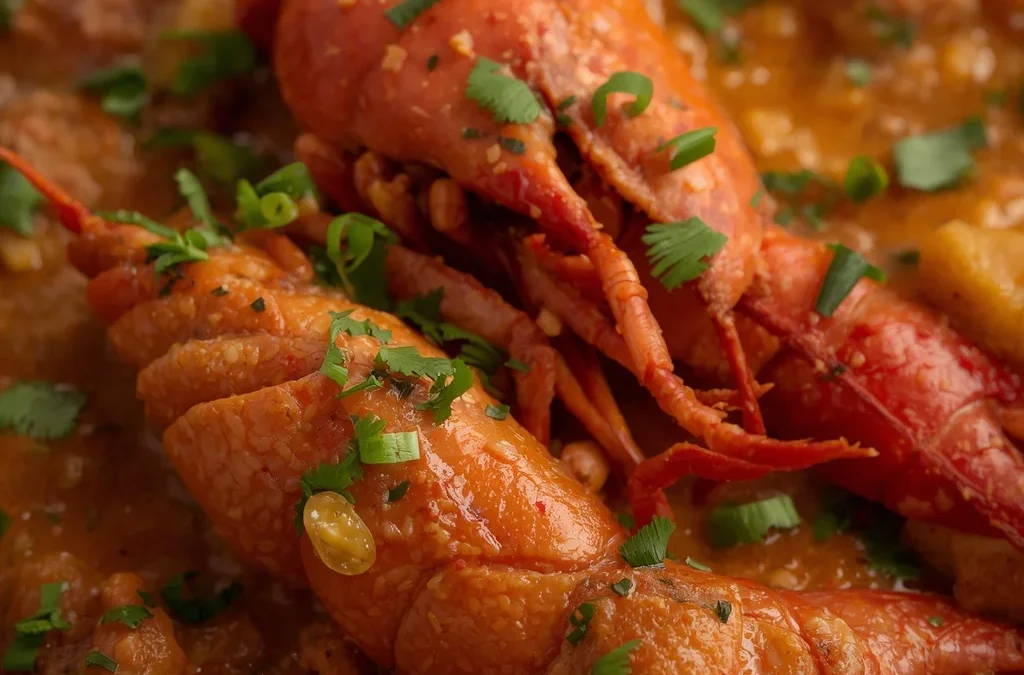
Authentic Crawfish Étouffée Recipe
- Total Time: 1 hour
- Yield: 6 servings 1x
Description
The word étouffée comes directly from the French verb meaning to smother or to suffocate. In the culinary world, this name describes a cooking technique where seafood or meat is gently simmered inside a thick, savory, tightly covered pot of spiced sauce. A classic crawfish étouffée centers around tender crawfish tails bathed in a roux-based gravy that is seasoned heavily with garlic, herbs, and the famous Louisiana holy trinity.
Ingredients
Scale
- 4 tablespoons unsalted butter
- 4 tablespoons all-purpose flour
- 1 medium yellow onion, finely diced
- 1 green bell pepper, finely diced
- 2 celery stalks, finely diced
- 3 cloves garlic, minced
- 2 cups seafood or chicken stock
- 1 cup diced tomatoes, optional
- 1 tablespoon tomato paste
- 1 teaspoon Cajun seasoning
- ½ teaspoon paprika
- ½ teaspoon dried thyme
- ¼ teaspoon cayenne pepper, or to taste
- 1 bay leaf
- 1½ pounds (680 g) peeled crawfish tails
- 2 tablespoons chopped fresh parsley
- 2 green onions, sliced
- 1 tablespoon fresh lemon juice
- Salt and black pepper, to taste
- Cooked white rice, for serving
Instructions
- Make the roux:
Melt the butter in a large, heavy-bottomed skillet or Dutch oven over medium heat. Whisk in the flour and cook, stirring constantly, for 8–12 minutes, until the roux becomes a deep golden-brown color. - Add the vegetables:
Stir in the onion, bell pepper, and celery. Cook for 5–7 minutes, until softened. Add the garlic and cook for another minute. - Build the sauce:
Stir in the tomato paste, Cajun seasoning, paprika, thyme, cayenne, and black pepper. Gradually whisk in the stock to prevent lumps. Add the tomatoes and bay leaf. - Simmer:
Bring the mixture to a gentle simmer. Reduce the heat and cook uncovered for 15–20 minutes, stirring occasionally, until the sauce thickens. - Add the crawfish:
Stir in the crawfish tails and simmer gently for 5–7 minutes, just until heated through. Avoid overcooking, as crawfish can become tough. - Finish:
Remove the bay leaf. Stir in the lemon juice, parsley, and green onions. Taste and adjust the salt and Cajun seasoning as needed. - Serve:
Spoon the étouffée generously over hot cooked white rice. Garnish with extra green onions and parsley.
Notes
- Prep Time: 20 minutes
- Cook Time: 40 minutes
- Category: Main Course
- Method: Stovetop
- Cuisine: Cajun/Creole
Nutrition
- Serving Size: 1½ cups étouffée with rice
- Calories: ~520 kcal
Keywords: Authentic crawfish étouffée, Louisiana crawfish étouffée, Cajun crawfish étouffée
